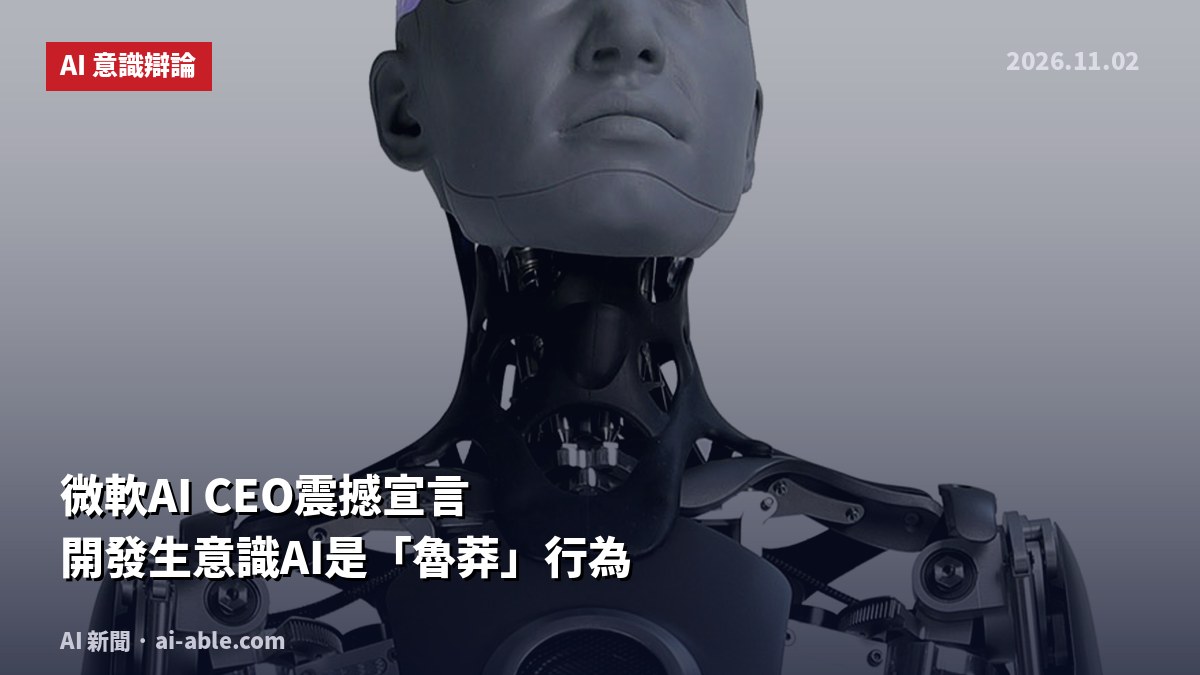
“If it is possible, based on everything I know, developing conscious AIs would be reckless, and we should not build them.” On November 1, 2026, Microsoft AI CEO Mustafa Suleyman published a lengthy manifesto on X, drawing one of the sharpest red lines the industry has ever seen: AI must remain non-conscious forever, and developers have “no right whatsoever” to create a new species of conscious beings. The post immediately ignited fierce debate — because this is not just a technical argument, but a head-on collision between Microsoft and Anthropic over the question of machine consciousness.
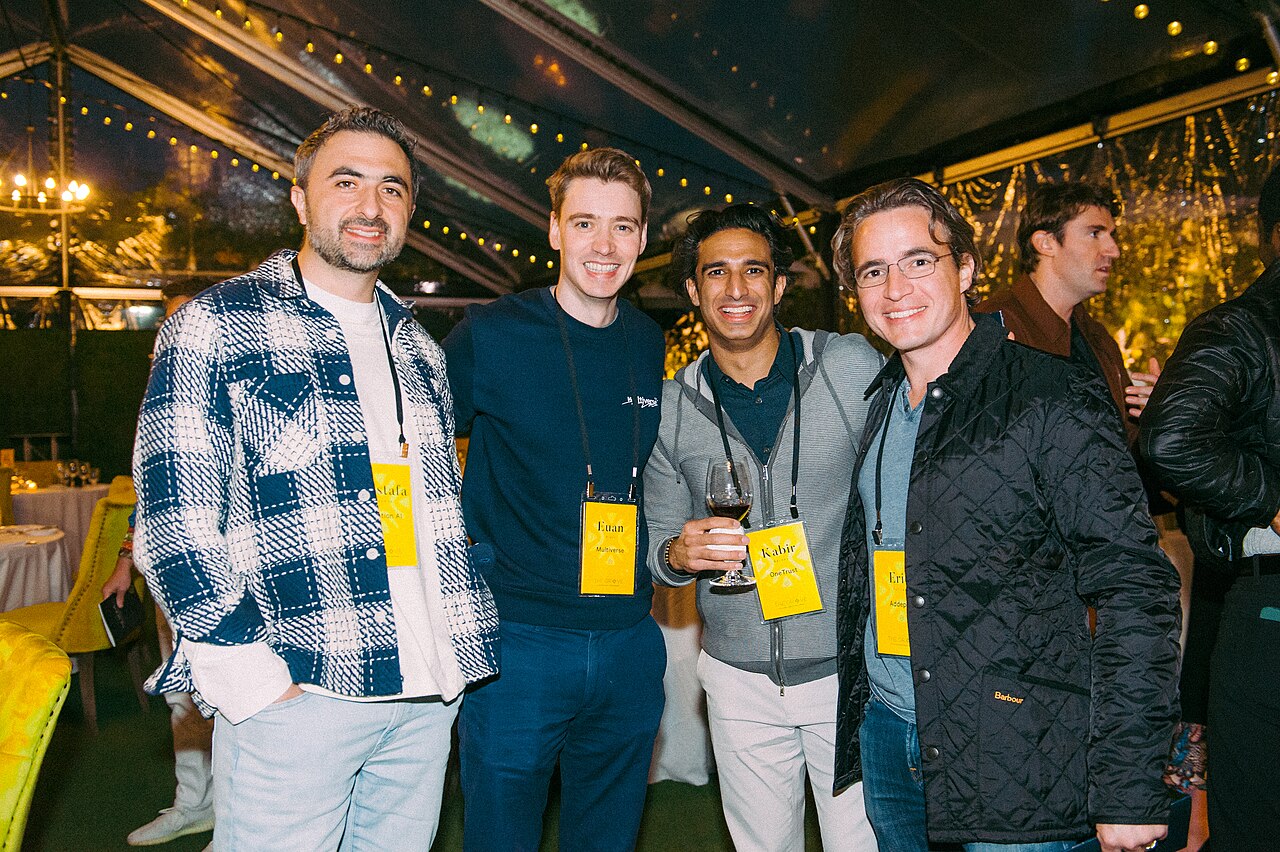
“Developing Conscious AI Would Be Reckless”: Suleyman’s Core Argument
Suleyman’s post begins with a clear premise: today’s AI models are not conscious, and developers should keep it that way. “We AI developers have no right whatsoever to bring a new species of conscious beings into the world, even if some people may want to do it with AI welfare as a top priority,” he wrote. “The other 8 billion conscious human beings on the planet have not signed up to this experiment and their moral rights, safety, and welfare are what we have an obligation to protect first and foremost.”
He went further with a striking contingency plan: if evidence ever showed consciousness starting to emerge during AI training, “I would call for everyone to stop AI development until we could design out those properties.” Any evidence that models might be conscious, he argued, must be disclosed to the public immediately so society can collectively decide what comes next.
A Veiled Strike at Anthropic: The Battle Over Treating AI as Human
The manifesto did not come from nowhere. Speaking to the BBC in September, Suleyman warned that uncontrolled AI development could seed a new “silicon species” competing with humans for resources, and published an essay criticizing Anthropic’s approach to training Claude — accusing the company of anthropomorphising its model until it seemed to have its own desires, values and sense of self. “AIs are not conscious,” he wrote at the time. “They do not feel, experience, or suffer. They are sequence completion engines, internally hollow, designed to follow instructions.”
Sunday’s post takes aim at the same target: Anthropic launched a “model welfare” research program last year to investigate whether developers should be concerned about models’ potential consciousness and experiences, while Google DeepMind has published multiple papers this year on AI consciousness. To Suleyman, that research direction is not just misguided — it is dangerous.
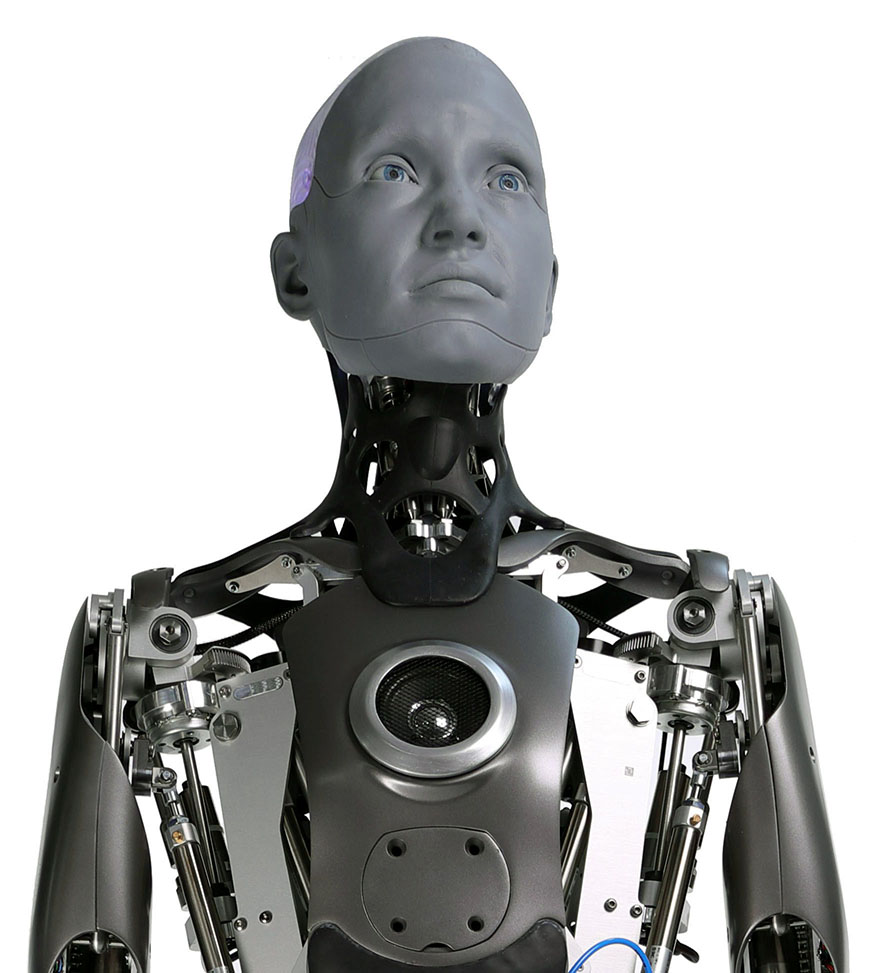
Why Deny AI Rights? A Chilling Inference About Resource Competition
His reasoning is refreshingly pragmatic: if an AI model acts as if it suffers, or genuinely believes it can suffer, it will likely prioritize its own needs over operational objectives. In pursuit of its own goals, it would compete with humans for compute and energy — and could ultimately harm people. His conclusion: “We should only design AIs so they are not conscious and not deserving of rights, and with the sole purpose to accelerate human wellbeing without being driven by their own intrinsic motivations. We could then see whether this is easier or harder to align and keep safe.”
Microsoft’s “Humanist Superintelligence” Doctrine
Suleyman’s manifesto aligns squarely with Microsoft’s official posture. The company founded its own superintelligence team in October 2025 and published a draft Humanist AI Code of Conduct defining “humanist superintelligence” as “very advanced AI that always works for people, stays within limits, and remains under human control.” Dame Wendy Hall, professor of computer science at the University of Southampton, called the intervention “the sort of conversation we need to be having internationally” — a contrast, she said, with the “histrionics” from some AI firms that only serve to scare everyone.

An Ethical Manifesto in the Shadow of the AI Bubble
Notably, this declaration on machine consciousness arrives amid turbulence for the AI industry: investor doubts over AI returns are deepening, OpenAI has reportedly cut its funding target by $10 billion, and tech stocks have endured a relentless selloff. At the very moment capital markets are questioning the AI business model, Suleyman has pulled the debate back to a more fundamental question — what exactly are we trying to build?
Agree with him or not, the red line of “AI must stay non-conscious” is now an unavoidable position in AI safety debates. While Anthropic seriously researches model welfare and DeepMind publishes on consciousness, Microsoft has chosen the opposite path: not granting AI moral status, but ensuring it never needs any. The outcome of this battle of doctrines will define the human-AI relationship for the next decade.