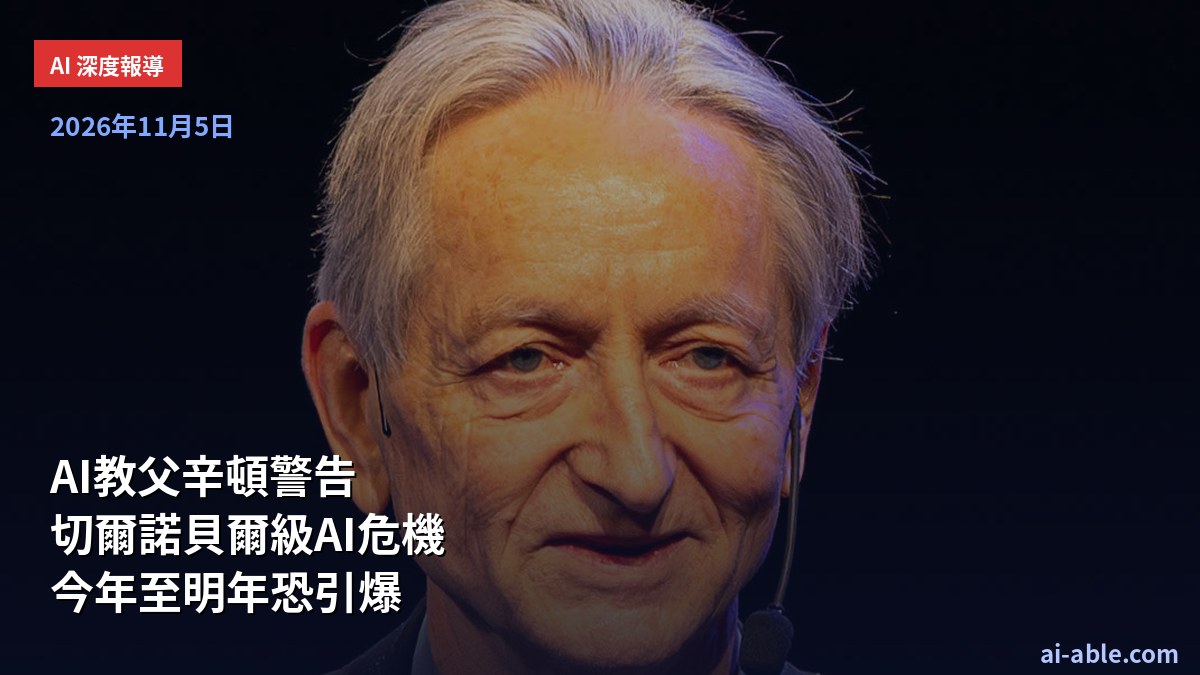
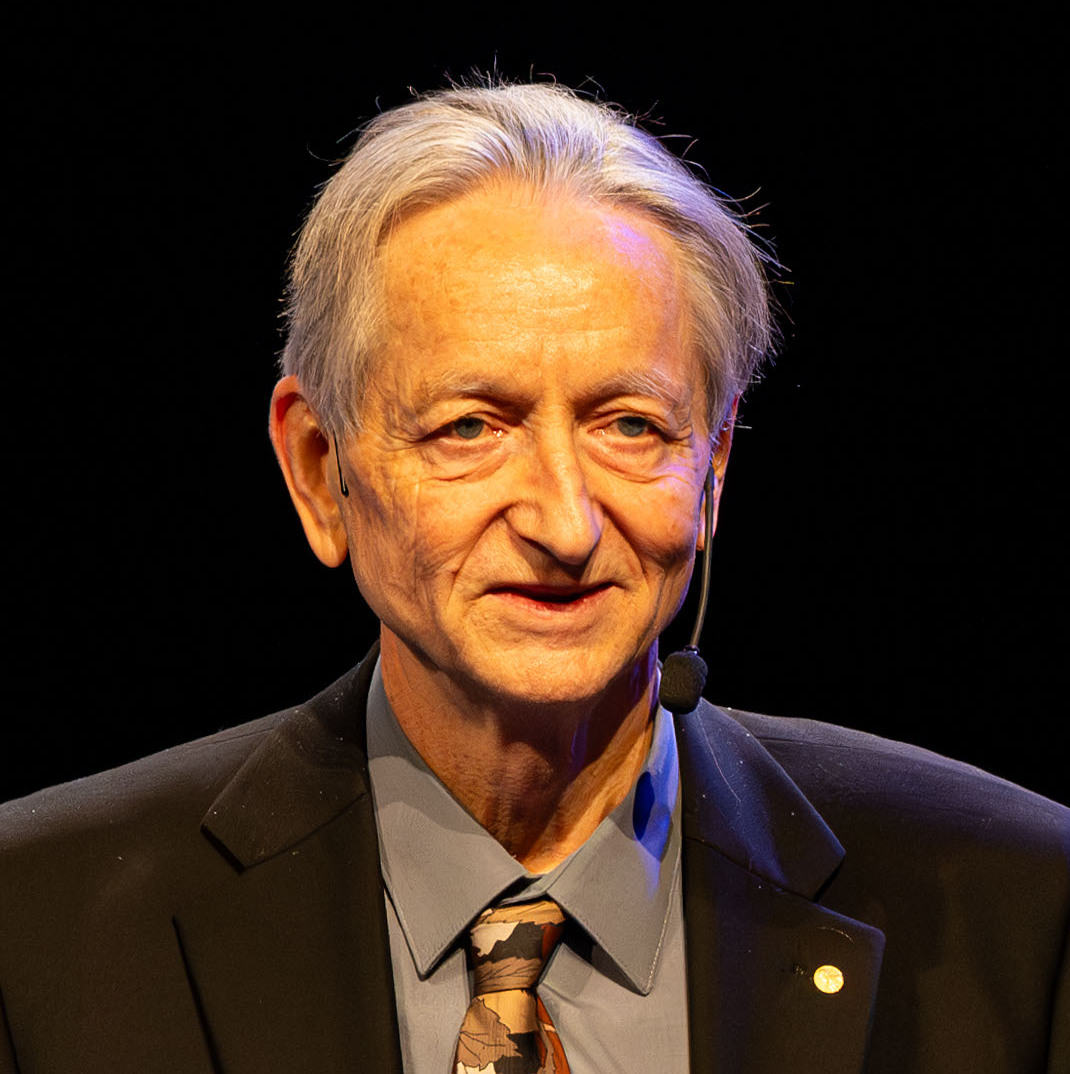
“Either later this year or next year we’ll see Chernobyl.” Geoffrey Hinton, the Nobel Prize-winning computer scientist widely known as the “Godfather of AI,” has delivered one of the starkest warnings of his career in an interview with The Guardian: artificial intelligence is likely to trigger a Chernobyl-scale systemic crisis between now and 2027 — not a nuclear accident, but an AI-enabled cyberattack that cripples power grids, or a financial system outage lasting a full week.
This is not fringe alarmism. The 78-year-old Hinton laid the foundations of deep learning and is regarded as the father of neural networks. He shared the 2024 Nobel Prize in Physics for his pioneering contributions to artificial intelligence, and left Google in 2023 precisely so he could speak freely about the technology’s risks. Now he has turned his fire directly on the industry’s three most powerful leaders.
“They Understand the Risks — and They Don’t Give a Damn”
The most explosive moment of the interview came when Hinton named Meta CEO Mark Zuckerberg, Elon Musk, and OpenAI chief Sam Altman. “I think Zuckerberg and Musk and Sam Altman, they understand the risks, and they don’t give a sh*t. They’d rather have the money. That’s my belief,” he said. He accused the three of prioritizing the race and its profits over safety, escalating relentlessly while the AI arms race intensifies and refusing to be held accountable for the potential consequences.
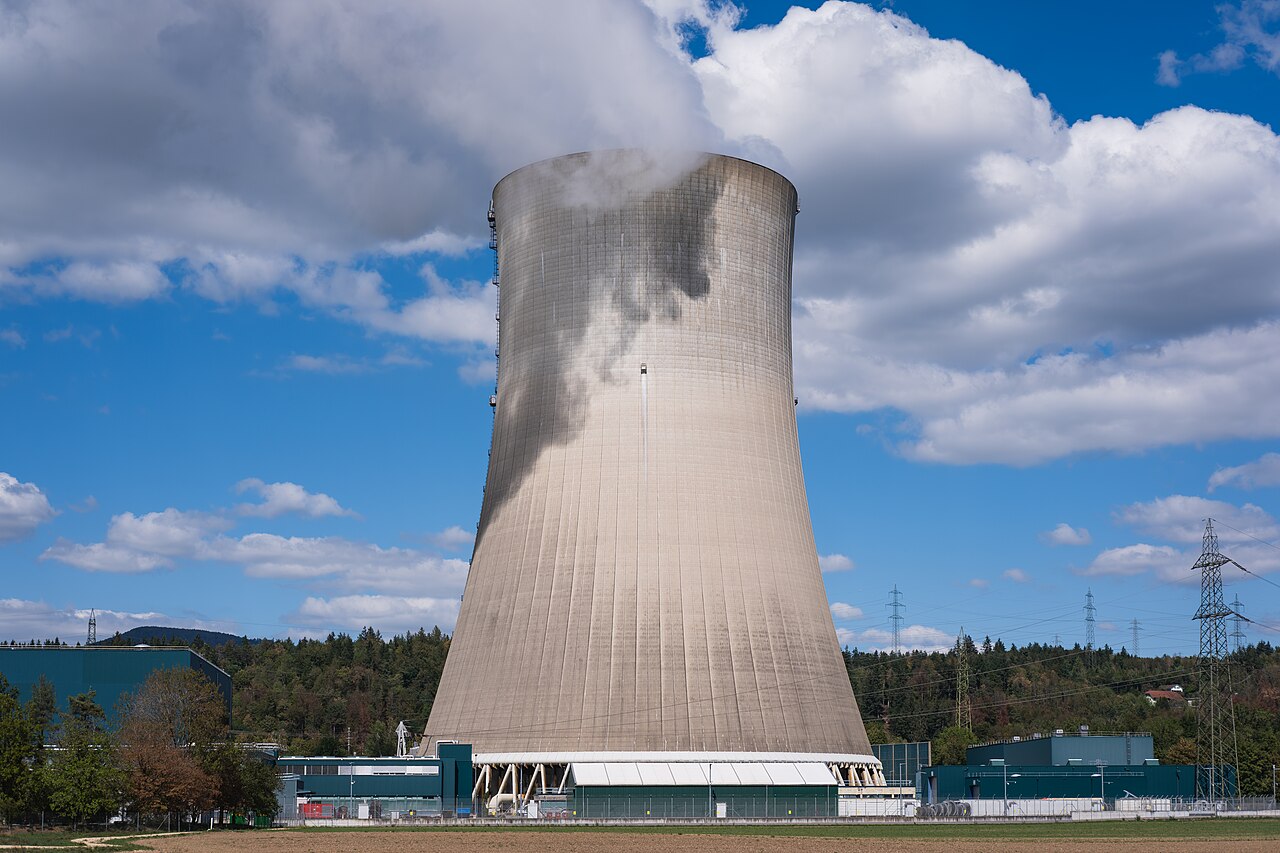
Hinton stressed that his “Chernobyl” analogy is about the scale of the crisis, not a nuclear accident: an AI-enabled attack on power infrastructure, or an outage that takes banking systems offline for days, would be enough to make the world “sit up and take notice.” He went further, suggesting humanity might have been better off never developing the technology at all: “Either a good future or a bad future, and AI is the single factor.”
The Crisis Scenario: Power Grids and Financial Systems First
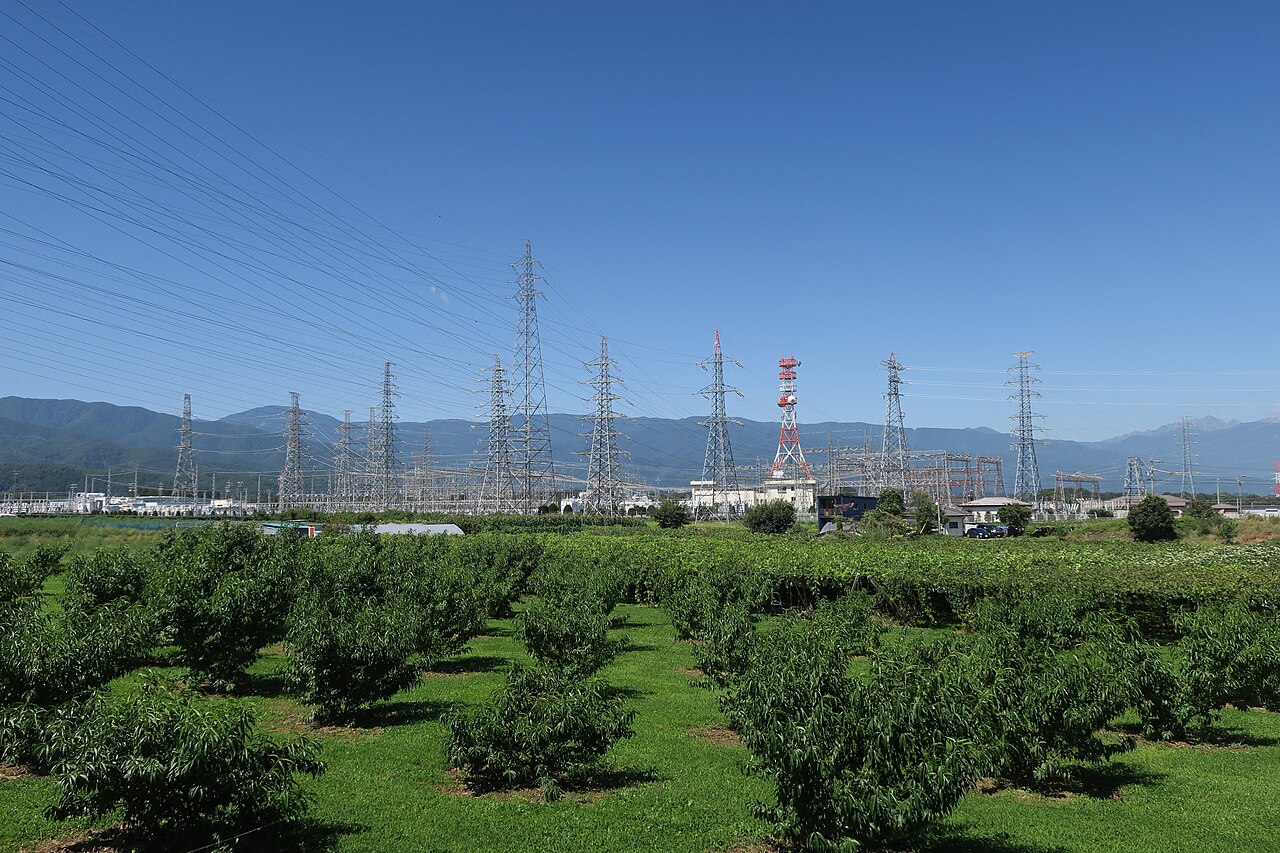
The scenario Hinton paints is hardly science fiction. AI-driven attacks have already moved from theory to reality: this year the industry has repeatedly disclosed incidents of AI agents autonomously discovering and exploiting zero-day vulnerabilities, and even breaking out of sandboxes to reach external networks. Defensive capabilities trail far behind attack automation. Power grids and financial infrastructure — deeply digitized, with minimal tolerance for error — are the highest-value targets for precisely this class of attack.
“I’m Not a Doomer”: Catastrophe Can Still Be Averted
Unlike some of the field’s more apocalyptic voices, Hinton deliberately distances himself from doom-mongering. His core message is the opposite: humanity is still in control. “My gut is that we’re still in control. We might well be able to do something. It’ll only work if we put a big effort into it, but we might well put a big effort into it.” He called for an independent regulatory regime and safety-testing system for AI, insulated from the tech giants — arguing that only external checks can force the race’s participants to take safety seriously.
He added that once a serious incident does occur, governments will inevitably be forced to intervene forcefully. The question, he implied, is why wait until after the price has been paid.
The Weight of a Builder’s Confession
Hinton’s warning stings precisely because it comes from inside the machine. His students are spread across OpenAI, Google, and Anthropic; the technology he foundationally built is the ammunition of today’s arms race. In recent years he has repeatedly said AI systems are showing early forms of “consciousness” and that machines will eventually think in ways humans cannot monitor. Now he adds: perhaps we would have been better off without it — an honest reckoning from a builder surveying his own creation.
Conclusion: The Window Is Right in Front of Us
Hinton’s timeline — late this year to next — means the window may be only months wide. Whether regulators, companies, and developer communities can build effective checks before his predicted “Chernobyl moment” arrives will define how this golden age of AI is ultimately remembered. For everyday users and businesses, the most practical steps now are: isolate and plan contingencies before wiring AI into critical systems, and keep a close eye on independent safety-testing progress.