
Anthropic has filed an amended S-1 just weeks ahead of its November IPO, disclosing its first full third-quarter results: revenue approaching $17 billion, but a swing back to a $567 million operating loss — and, more stunningly, total compute and infrastructure commitments of $895 billion, with capacity reservation deals potentially pushing the total bill past $1 trillion. The filing gives investors their clearest look yet at the paradox at the heart of the AI boom: enormous revenues are being chased by even more enormous spending promises.
Revenue Is Still Astonishing — But the Growth Curve Is Bending
According to the filing, Anthropic generated $33.2 billion in revenue in the first nine months of 2026, up 1,206% year over year. Third-quarter revenue alone reached roughly $17 billion, a 1,127% increase from a year earlier. The headline numbers remain dazzling, but the quarter-over-quarter trend tells a different story: revenue grew nearly 2.5x from Q1 to Q2, yet Q3’s growth over Q2 slowed to about 46%. Anthropic was unusually blunt in the prospectus: “We do not expect our revenue will continue to grow at comparable rates, and we cannot assure you that it will continue to grow at all.”
Inside the $895 Billion Commitment Structure
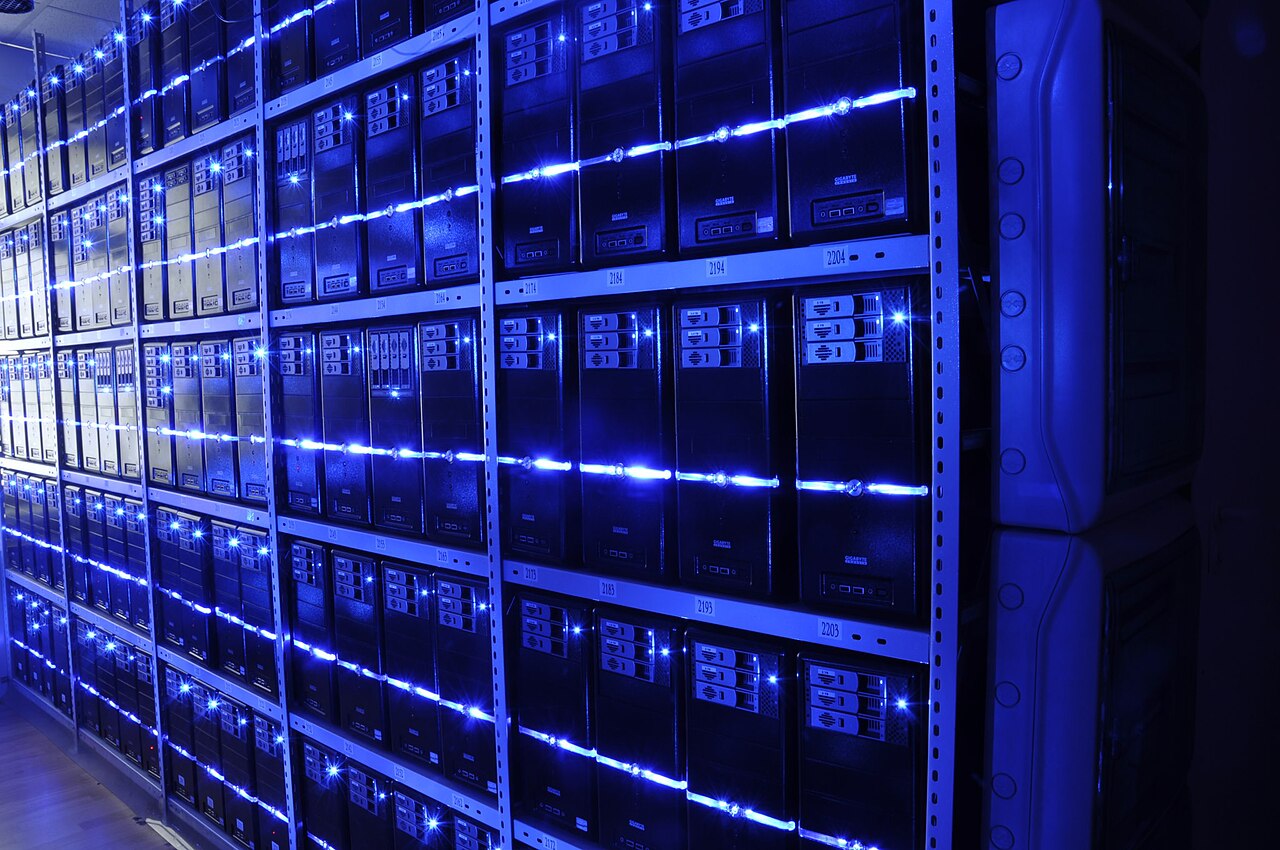
The spending side is what truly rattled markets. The amended S-1 discloses roughly $895 billion in compute and infrastructure commitments — up from the $800+ billion figure in the initial filing last week. The structure breaks down as follows: about $320 billion constitutes existing contractual obligations, while another $451 billion covers signed-but-not-yet-commenced leases expected to begin between 2026 and 2028. On top of that, Anthropic has signed capacity reservation agreements worth an estimated $150–175 billion to secure future compute — amounts not counted in the headline commitment figure, which means the true total exposure exceeds $1 trillion.
The payment timeline is equally staggering: Anthropic expects to pay nearly $70 billion in contractual obligations by September 2027, with cumulative committed spending of roughly $447.5 billion expected by the end of 2030. In other words, the bill for this gamble arrives over the next four to five years — and it is premised on exactly the kind of sustained hypergrowth the filing itself admits it cannot guarantee.
The Q3 Loss: What Happened to Last Quarter’s Profit?
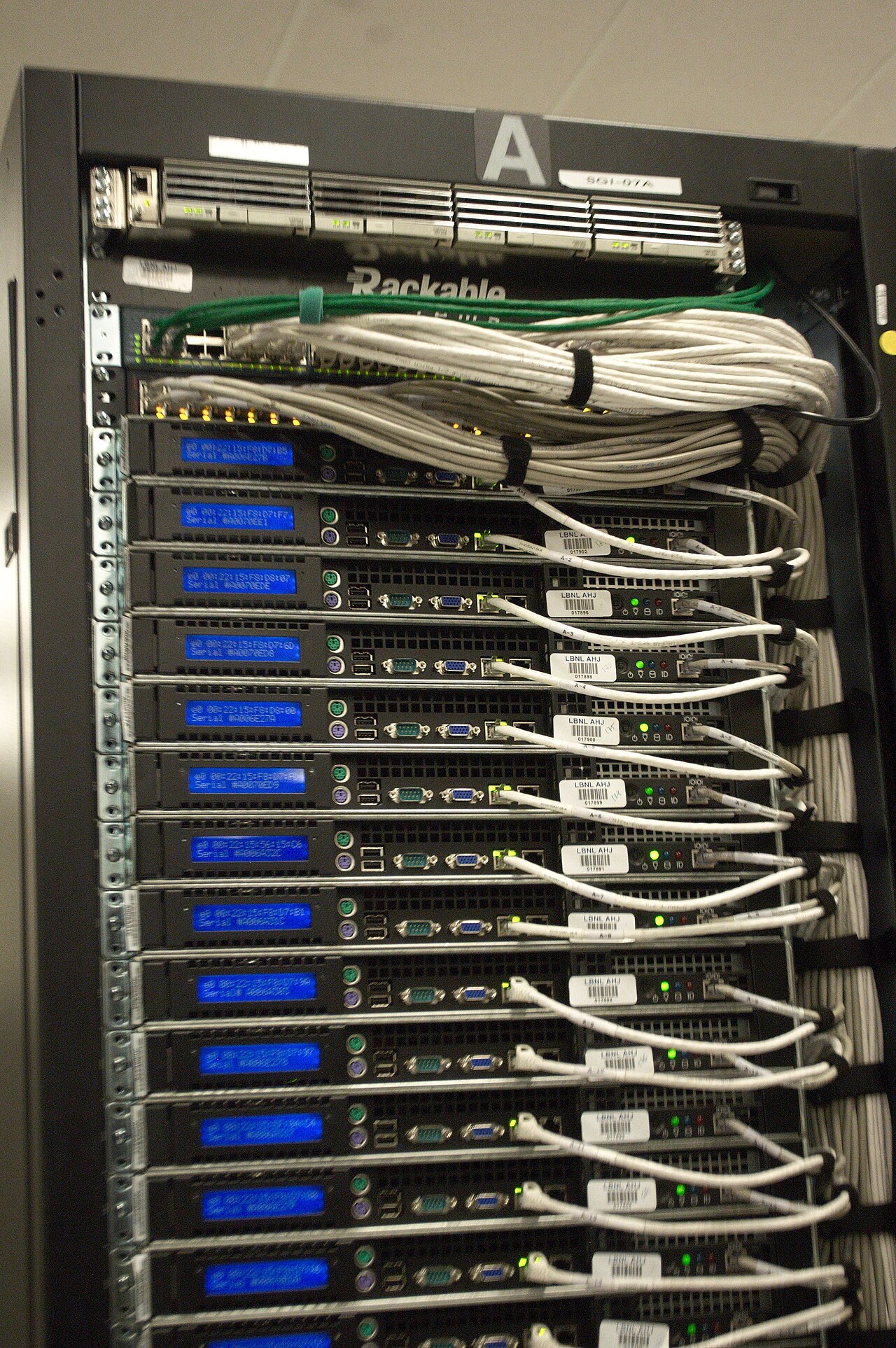
Anthropic posted a $974 million operating profit in Q2, only to swing to a $567 million operating loss in Q3. The core reason: compute costs are growing far faster than revenue. While quarterly revenue grew 46% sequentially, compute and infrastructure costs surged 77%. The company explained that meeting demand for Claude products required signing more expensive short-term compute contracts, which directly compressed operating margins.
The filing also exposes a structural vulnerability in the customer base: cloud marketplaces accounted for roughly 44% of revenue in the first nine months, and Anthropic’s largest compute suppliers are none other than Amazon, Google, and Microsoft — meaning distribution and supply chain overlap heavily with the same handful of hyperscalers. Deals with Microsoft, Google, Amazon, and Broadcom totaling $437 billion are non-cancellable; some require payment regardless of whether a single GPU is lit up. Of the $895 billion in commitments, only about $213 billion allows Anthropic any room to avoid payment.
The IPO Question: Will Markets Buy It?
The amended filing lands just weeks before Anthropic’s expected November debut. Analysts broadly expect the economics it reveals — hypergrowth revenue swallowed by even faster-growing compute bills — to become the central battleground of pricing negotiations. Bulls point out that $33.2 billion in annualized revenue outpaces nearly every peer, and that 44% cloud-marketplace distribution proves Claude is deeply embedded in enterprise workflows. Bears warn that if revenue growth stalls while committed spending ratchets up, the company could spiral into borrowing to honor contracts and diluting shareholders to service debt — and that relying on debt and equity financing to sustain compute spending long-term either dilutes existing shareholders or forces borrowing on unfavorable terms.

Conclusion: A Defining Moment for the AI Bubble Debate
Anthropic’s amended S-1 lays the industry’s core contradiction bare: revenue growth is real, and the spending commitments are even more real. A compute bill approaching $1 trillion is a bet that places the company’s fortunes for years to come on a single assumption — that demand keeps exploding. The November IPO is no longer just a pricing event for one company; it is a referendum on confidence in the entire AI infrastructure arms race. For investors, the question is no longer whether Anthropic can make money, but whether its customers and the broader ecosystem can turn AI into genuine productivity fast enough to digest the largest compute bill in history.