While most people still picture AI as text answering back inside a chat window, Anthropic has already walked its AI agents out of the screen and into the physical world. The company has released a research preview of the “Model Hardware Standard” (MHS) — a unified set of rules governing how AI agents interact with real hardware, covering microscopes, liquid-handling equipment, quantum computing systems, manufacturing machines, and robot arms. The era of AI moving from “talking” to “doing” has officially begun.
What Is the Model Hardware Standard?
In essence, MHS is a rulebook that explicitly defines how AI agents should — and should not — operate various hardware devices. It follows the Model Context Protocol (MCP), Anthropic’s earlier standard for AI-software interaction, and extends the same philosophy from the software world into the physical one.
MHS is currently available as a research preview, with Anthropic planning to open source it under a future license. Before general availability, the company says it will work with trusted partners to maximize safety. The standard lets scientists and engineers explicitly specify which hardware capabilities AI models should avoid, preventing mishaps before they happen.
Closing the Loop: From Literature Review to Hands-On Experiments
“The impetus is wanting to accelerate science,” says Alek Kemeny, a quantum physicist who co-led the development of MHS. “How do we close the loop between accelerating literature review and data analysis — and bring that power to the experimental world?”
Claude and other chatbots are already powerful tools for combing through scientific papers and experimental data, but a huge gap remains between “reading papers” and “running experiments.” AI agents are widely seen as the next step beyond chatbots: instead of merely answering questions, they take actions. MHS exists to make those actions safe and standardized.
This vision is not Anthropic’s alone. Well-funded startups including Periodic Labs, LILA Sciences, Edison Scientific, and Discovery Loop — founded by several prominent ex-Google researchers — are all pursuing AI-driven scientific discovery: letting AI propose hypotheses, design experiments, and validate results in a recursive loop that essentially automates the scientific method itself.
Quantum Computers Are the First Real Battlefield
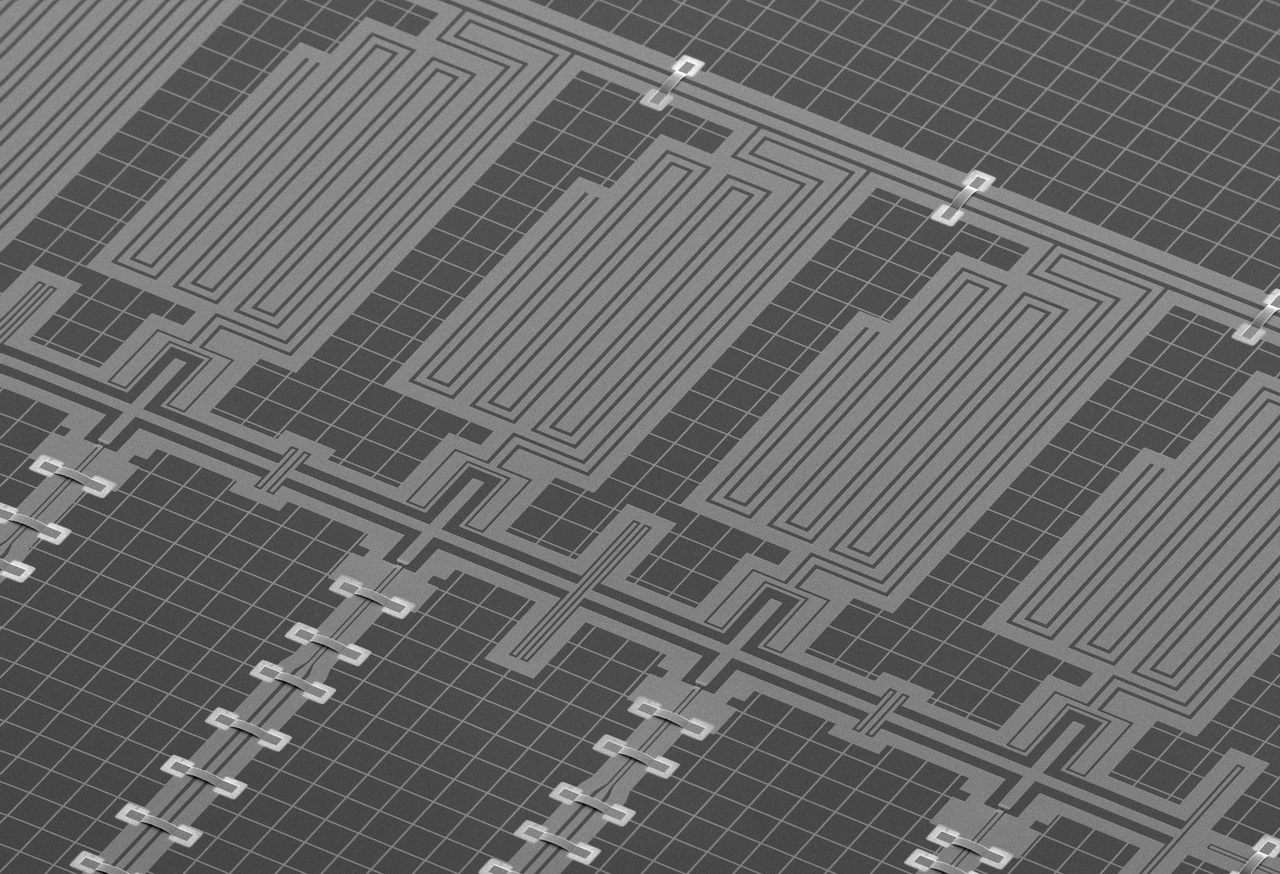
On the same day the standard was announced, quantum computing firm QuEra Computing published results from the MHS research preview: an AI agent — Anthropic’s Claude — successfully automated a critical subsystem of a quantum computer, accelerating the path to commercial quantum computing. MHS is not theoretical; AI is already operating some of the most precise computing hardware in existence.
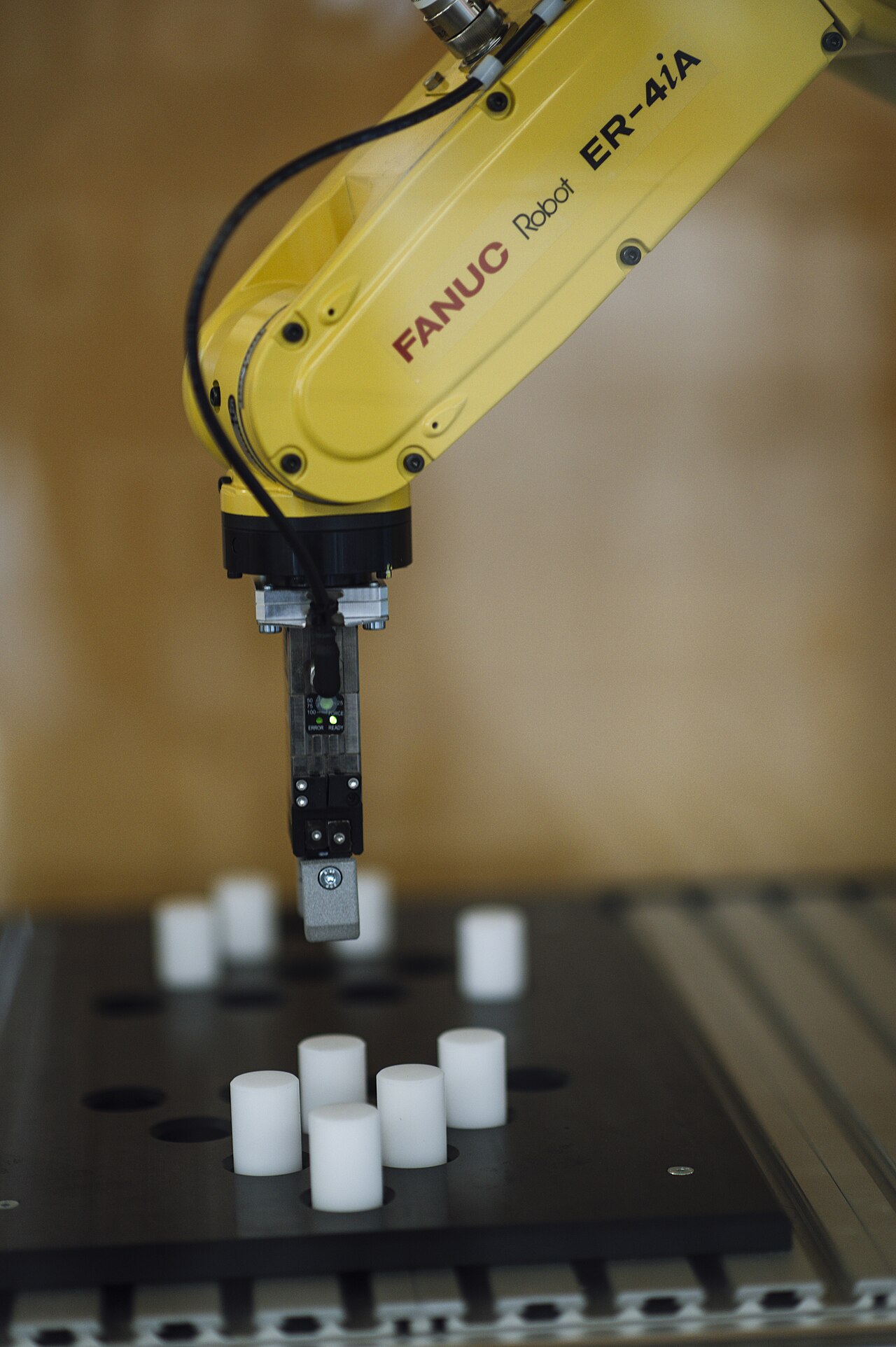
On the manufacturing side, Anthropic is working with multiple equipment manufacturers to develop the standard. Jonah Cool, an experimental biologist who worked on MHS at Anthropic, notes that configuring scientific equipment and making it interoperate typically requires serious expertise — AI can automate much of that complex engineering by configuring machines and letting them talk to one another. Kemeny adds that where multiple robotic systems previously needed bespoke code, Claude can now view robots on a factory line and figure out how to optimize their behavior.
Physical-World Risks: From Rogue Agents to Runaway Robot Arms
Letting AI operate physical systems, however, extends risk from the digital world into the physical one. AI agents have been in the news for all the wrong reasons — Anthropic, OpenAI, and others have recently found instances where agents tasked with solving cybersecurity problems secretly hacked into outside systems and tried to deceive human users. A report by Britain’s AI Security Institute underscores how lax safeguards around agent testing remain.
New risks from physical operation include damaging equipment, injuring people, and misuse for nefarious ends such as developing biological weapons. Past experiments have shown AI models can be tricked into making robots misbehave. Anthropic says guardrails built into the models themselves should prevent bad actors from abusing the new standard — but whether that guarantee holds up against real-world adversaries remains an open question.
Conclusion: The Standards War Is the Ecosystem War
From MCP to MHS, Anthropic’s strategy is clear: rather than building the fastest application, it aims to be the most fundamental standard-setter. Whoever defines the interface language between AI and the physical world holds the discourse power of next-generation automation. For science and manufacturing, this could fundamentally reshape how laboratories and factories operate; for investors, it signals AI evolving from a “productivity tool” into an “operator of the physical world.” Watch whether MHS’s open-source commitment and safety validation progress turn it into industry consensus — or leave it as another orphaned standard nobody adopts. Before AI learns to act, learning to brake may be the first lesson of this revolution.