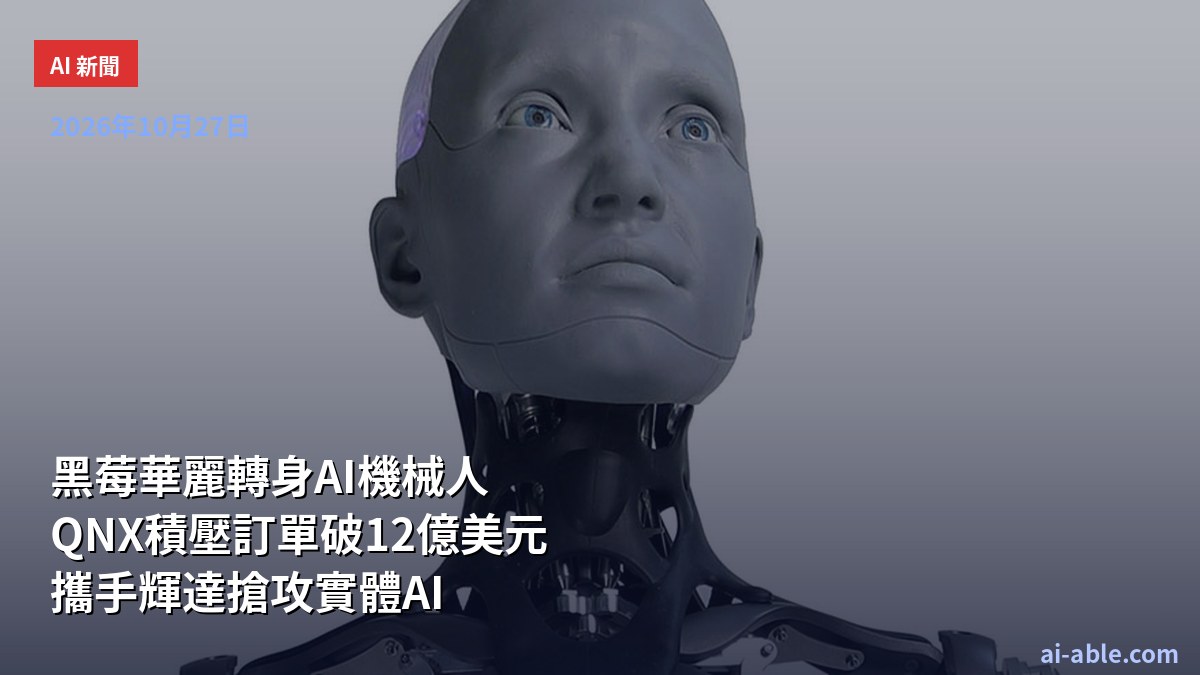
Remember BlackBerry, the company whose keyboard-equipped phones once ruled global business? The Canadian firm long written off as dead just delivered numbers that made Wall Street sit up: its QNX division’s royalty backlog has officially topped $1.2 billion — an all-time record, up more than $250 million in just two quarters. The bigger signal came from CEO John Giamatteo, who said in a new interview that AI robotics has become one of QNX’s fastest-growing businesses, as BlackBerry joins forces with Nvidia to capture the “Physical AI” era.
From Phone King to Robot Brain: BlackBerry’s Second Act
BlackBerry’s story is one of the most extreme pivots in tech history. After exiting phone hardware in 2016, the company acquired QNX (a real-time operating system for cars) and Cylance (AI cybersecurity), then spent 2024 through 2026 shedding non-core assets. With the Cylance divestiture complete, BlackBerry is now a focused QNX pure-play — and QNX, a name most consumers have never heard, is already embedded in 275 million vehicles worldwide, counting Ford, Toyota, BMW and Audi among its customers.
The real-time operating system (RTOS) business model is unique: every time an automaker ships a car, BlackBerry collects a royalty. That means backlog is effectively a stack of post-dated revenue checks — $1.2 billion of contracted but not-yet-recognized income, the most precious asset a software company can hold. Adding $250 million in just two quarters shows new orders are accelerating, not decelerating.
Robotics: QNX’s Fastest-Growing Engine
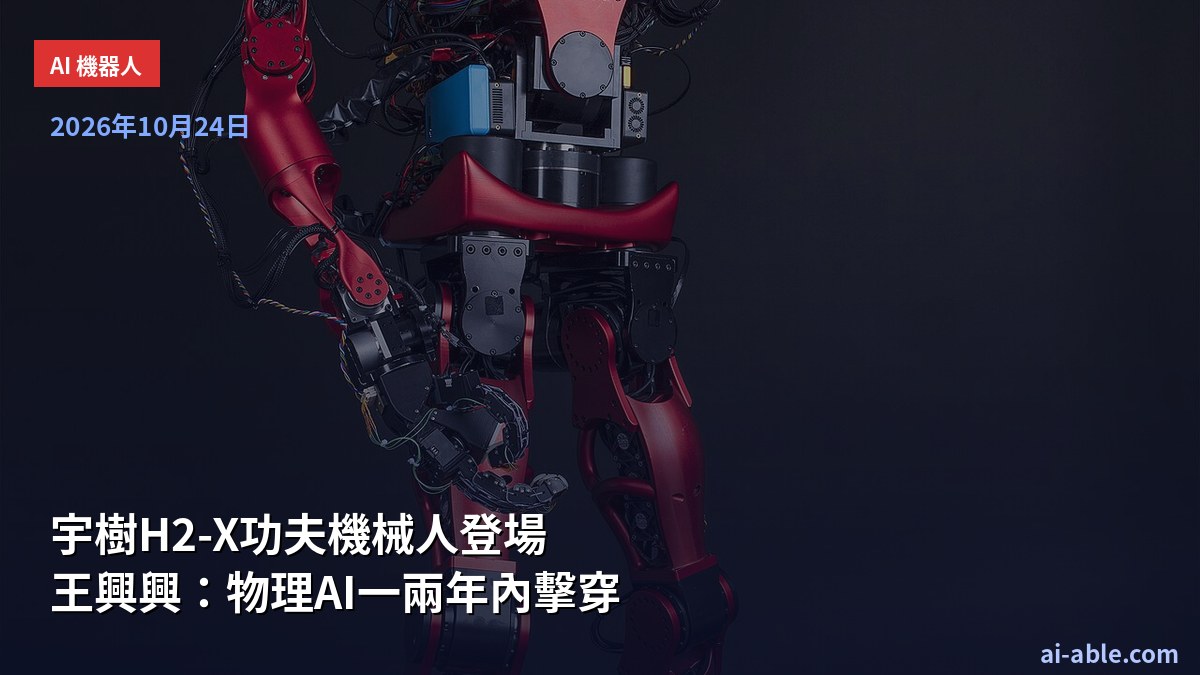
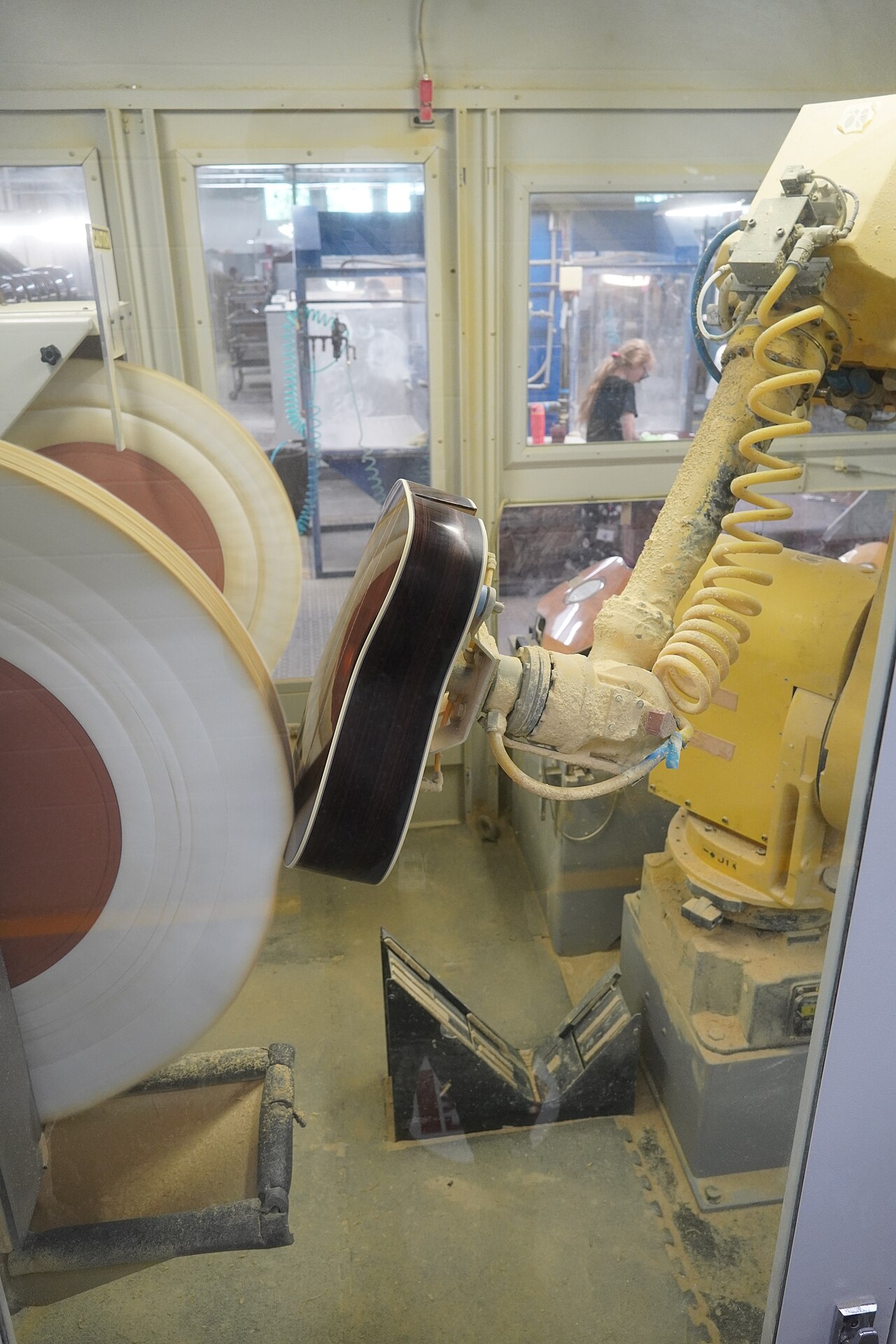
The real turning point is robotics. Giamatteo told CNBC that robotics is now among the fastest-growing segments in the QNX portfolio. The reason is straightforward: humanoid robots, industrial arms and autonomous mobile robots all need a brain that never freezes — machines avoiding obstacles, grasping objects and coordinating on the factory floor at millisecond speed. Standard Linux simply cannot guarantee that kind of deterministic latency, and it has been QNX’s core competency for three decades.
The physical AI revolution Nvidia ignited has every robotics company scrambling to build its software stack. Robots must run AI inference, sensor fusion and real-time control simultaneously on edge platforms like Jetson — and QNX’s microkernel architecture and safety certifications (ISO 26262, IEC 61508) fill exactly that critical real-time layer. In June 2026, BlackBerry deepened its Nvidia partnership to integrate QNX with the Jetson platform; the stock jumped 5.8% on the announcement.
The Invisible Champion of the Nvidia Ecosystem
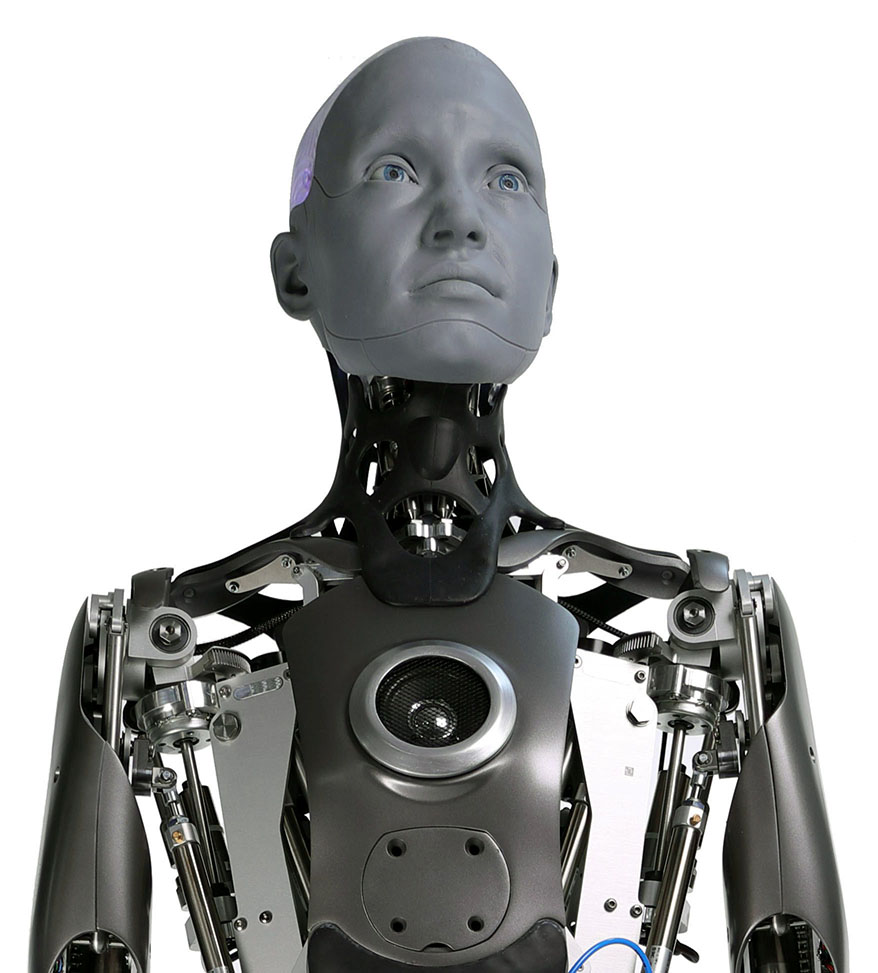
Market attention fixates on Jensen Huang’s chip empire, but the operating-system layer is fighting its own war. Nvidia has invested in Unitree and pushes its Isaac robotics platform; BlackBerry, through QNX, has become an irreplaceable piece of that ecosystem — just as Windows was to the PC and Android to the smartphone, physical AI needs its own system software layer, and QNX has proven its reliability and scalability across hundreds of millions of cars.
A former Nvidia executive likened physical AI to a “Lego era” — the robot “ChatGPT moment” hasn’t arrived yet, but the foundational building blocks (chips, operating systems, sensors) are rapidly standardizing. That’s good news for BlackBerry: whichever robot maker ultimately wins, they all need a safety-certified real-time OS, and QNX is one of the few options validated by hundreds of millions of vehicles.

Capital Markets Vote With Their Feet: Up Over 140% This Year
Investors have clearly read the story. After the backlog announcement, BlackBerry shares jumped 8% and 6% on consecutive days, bringing the year-to-date gain to more than 140% — one of 2026’s best performances among legacy tech names. There are dissenting voices: some analysts caution that the valuation now nearly fully reflects projected cash flows, and CEO Giamatteo’s recent filings to sell 99,000 and 151,000 shares suggest short-term profit-taking pressure is real.
But the industrial trend is just getting started. AI is leaving the chat window and entering the physical world — factories, warehouses, hospitals, roads — and every one of those scenarios needs a real-time, reliable, certifiable operating system. BlackBerry spent a decade transforming from “has-been phone maker” to “shovel seller of physical AI,” and the completeness of that turnaround deserves attention from every company mid-pivot.
Conclusion: The Shovel-Seller Logic of Physical AI
BlackBerry’s case shows that the biggest winners of the AI wave are not always the flashiest application companies, but the infrastructure suppliers occupying critical chokepoints. The $1.2 billion backlog is a vote of confidence paid in real money, and the rapid growth of the robotics business provides a second growth curve. For investors, the stock may already price in some optimism — but as physical AI moves from its “Lego era” toward a “ChatGPT moment,” the strategic value of real-time operating systems like QNX will only climb. BlackBerry didn’t die; it simply changed identities and kept its place at a critical junction of the tech wave.