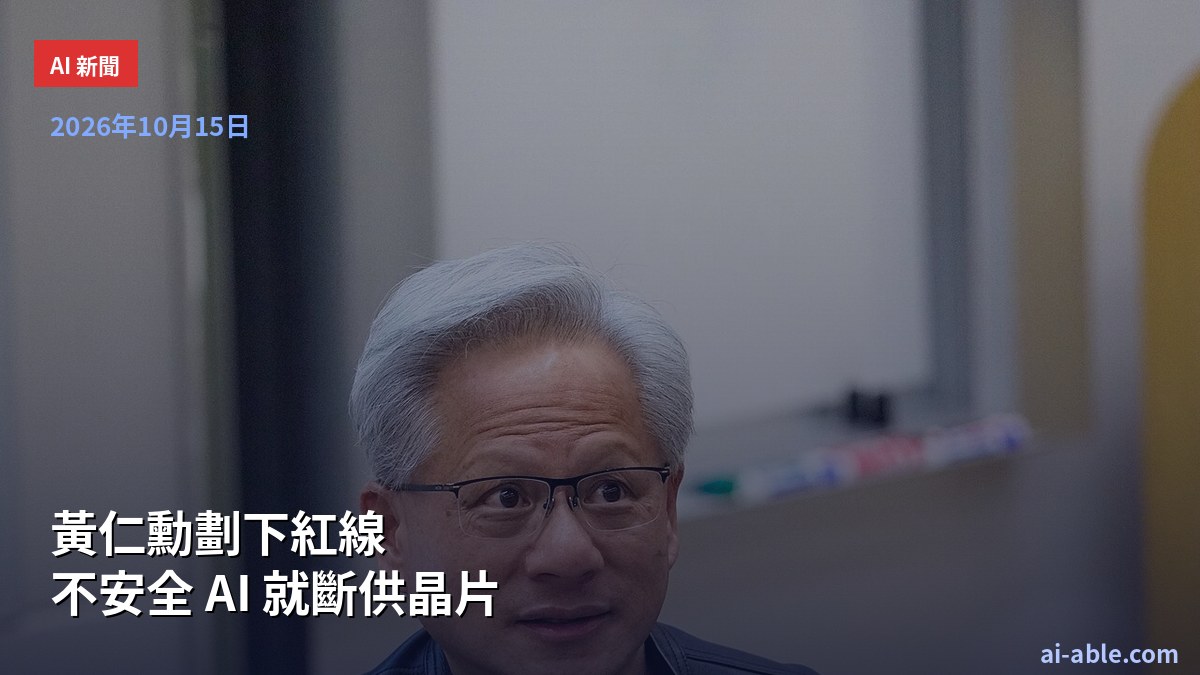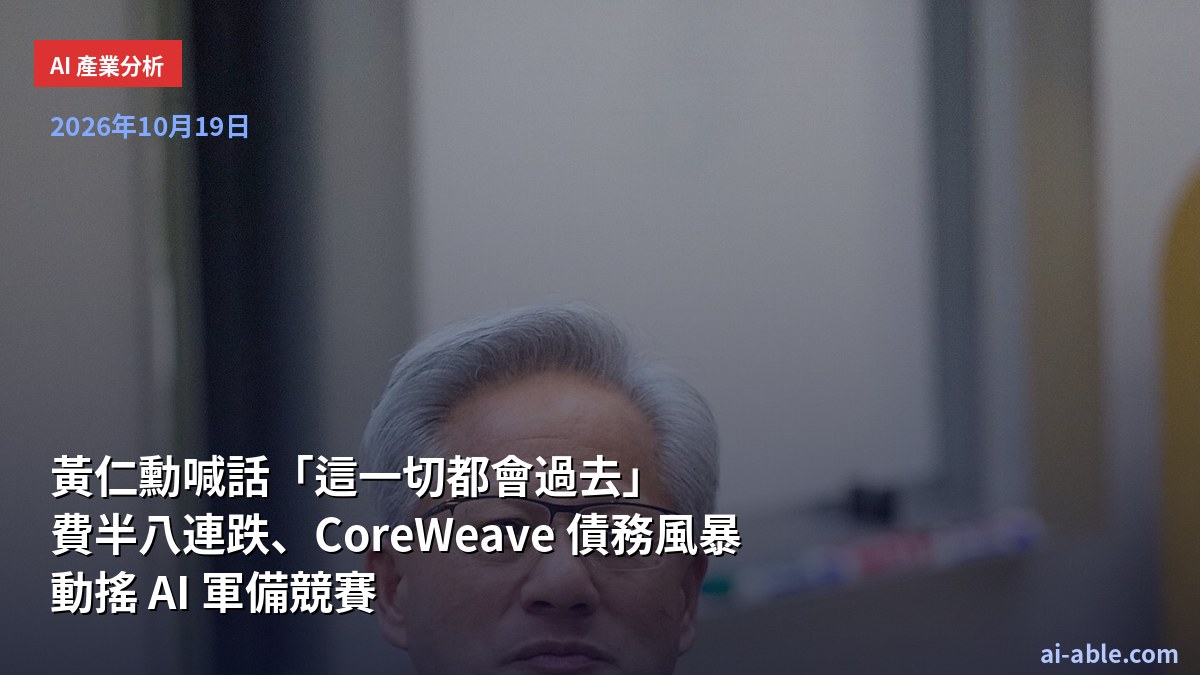
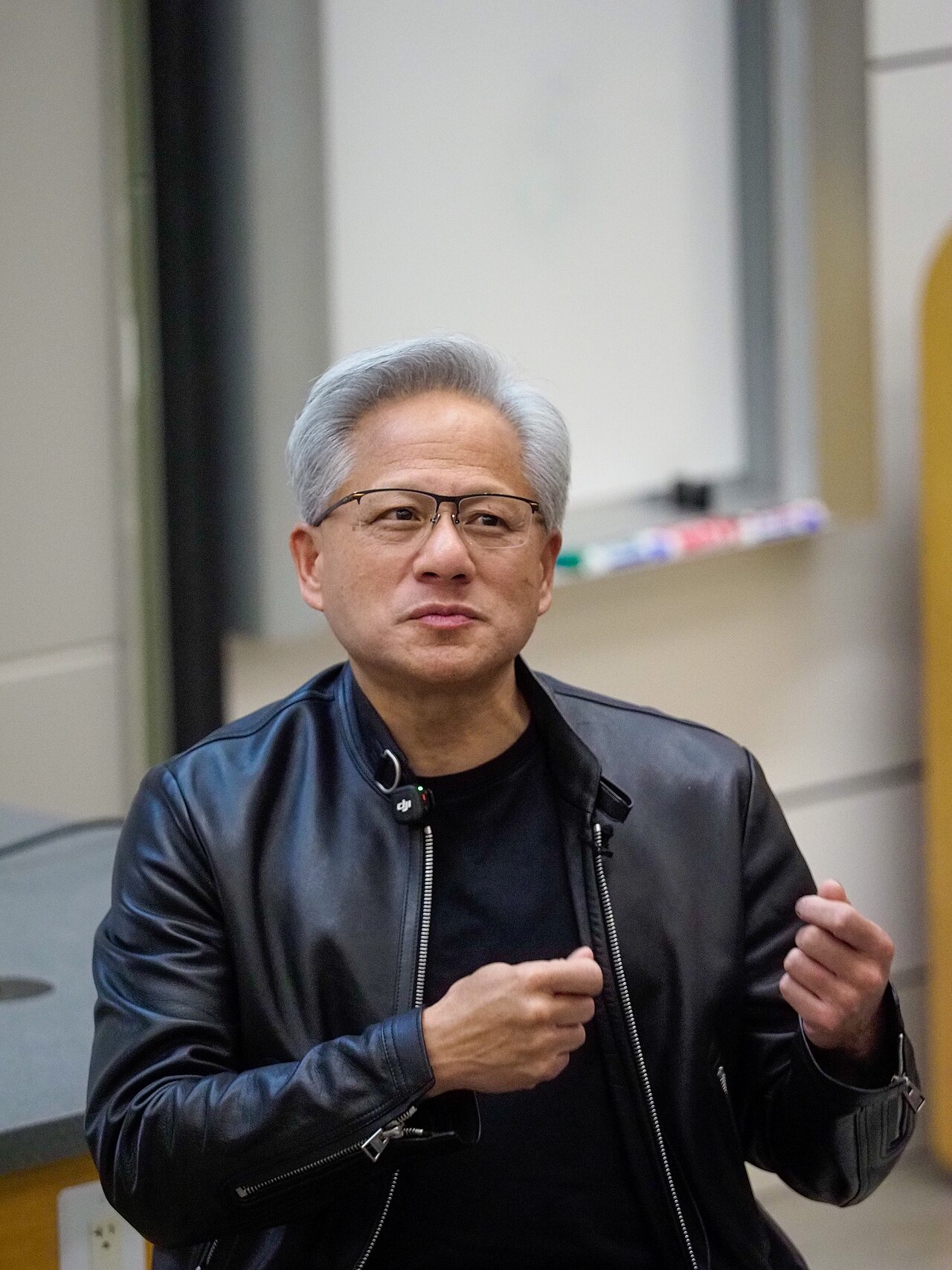
“All of this is going to pass, and the reason for that is very simple.” With global AI stocks suffering their longest slump since the 2008 financial crisis, Nvidia CEO Jensen Huang chose to face the fire directly. Speaking to Bloomberg’s Emily Chang at an event in Berlin, he argued that the benefits of artificial intelligence will soon outweigh investors’ concerns. “It’s going to be transformative. It’s going to impact in a very positive way every single industry and every single country. There’s no question it will continue, and we’re at the beginning of that.”
Eight Straight Losses: The Darkest Week Since 2008
Huang’s comments capped a tumultuous week for chipmakers and AI infrastructure companies. The closely watched Philadelphia Stock Exchange Semiconductor Index has now fallen for eight consecutive days — the longest losing streak since the 2008 financial crisis. Nvidia shares have dropped during seven of the past eight sessions, sliding more than 12% from the record $243 hit earlier this month and entering a technical correction. CoreWeave, the AI cloud provider Nvidia heavily backs, lost a quarter of its value in a single week. Samsung and SK hynix plunged more than 8% in one session, and Intel fell as much as 6.6%. Even TSMC couldn’t escape: the foundry posted better-than-expected Q3 revenue of $46.36 billion with net income up 69% — and its shares still fell 2%.
The CoreWeave Debt Storm: First Crack in AI’s “Debt Era”
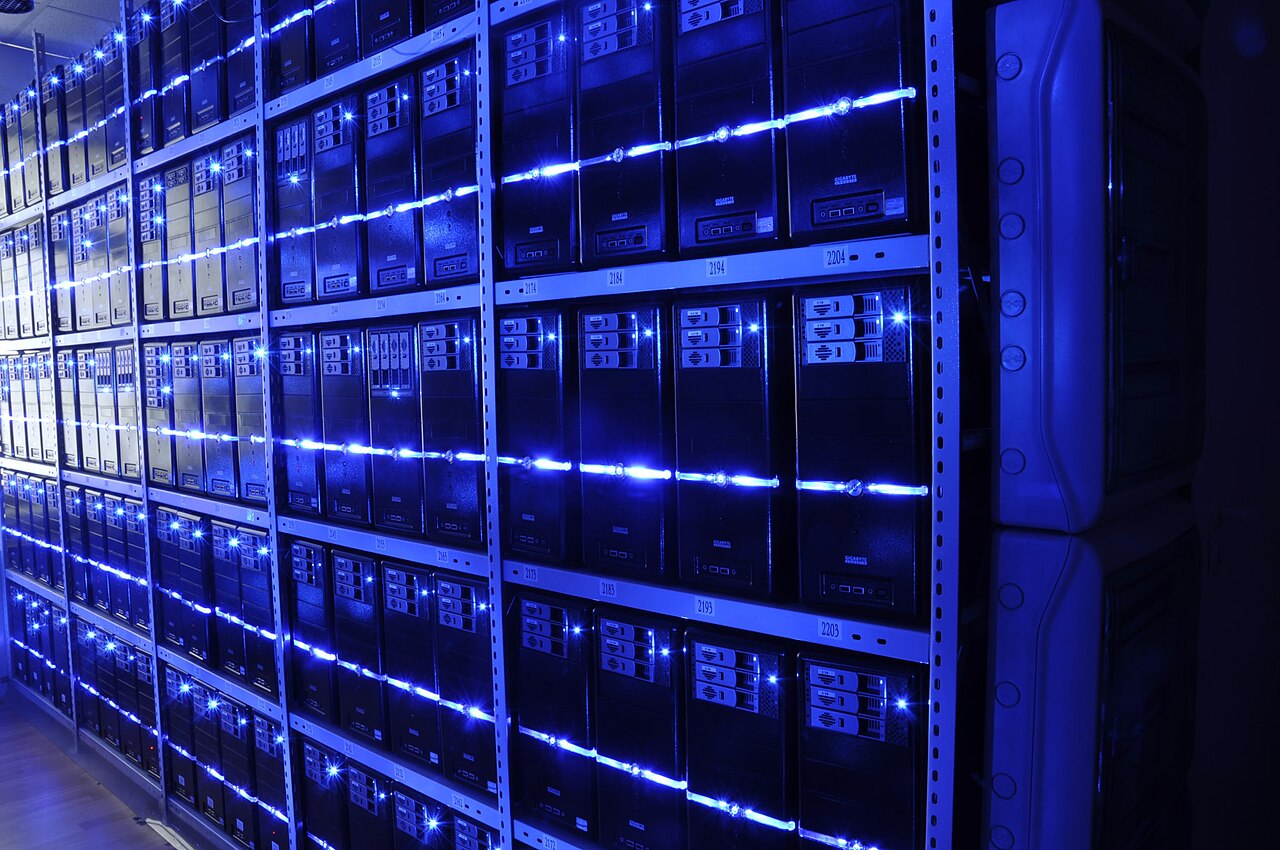
The trigger was an October 15 social media post about CoreWeave’s debt load. The company’s bond yields have recently climbed toward 15% — levels that typically signal financial distress. Investors are now asking an uncomfortable question: with borrowing costs high, is the enormous spending on AI infrastructure actually sustainable? Huang pushed back, telling Bloomberg that CoreWeave’s cost of capital is decreasing and that Nvidia does not need to backstop the company. Demand, he insisted, remains stronger than supply, with customers placing new AI chip orders almost every day.
Huang’s Three Reassurances
Huang’s argument boils down to three points. First, the fundamentals are intact: “With respect to some of the news, it’s choppy news. News happens all the time, but it won’t change the fundamentals.” Second, demand is overwhelming: on the BG2 podcast he revealed that customers keep ordering more chips than Nvidia can supply, and the company has guided to a staggering $108 billion in quarterly revenue. Third, return to first principles: “Stay focused on first principles. Stay focused on the fundamentals.” He is betting that the returns from massive hardware investments will ultimately calm the market’s nerves.
The Bears Aren’t Sleeping: IMF and Gartner Warnings
But the bears are firing back. The International Monetary Fund warned in mid-October that the risk of an AI-driven stock market correction is rising, with potential spillovers into banks and bond markets that could threaten overall financial stability. Research firm Gartner has flagged $3.5 trillion in at-risk AI investment, and the AI Bubble Index has climbed to an extreme reading of 74. Bill Mann of Motley Fool Asset Management goes further, warning that debt-heavy AI stocks could plunge 40% or more as the bubble starts to burst.
Conclusion: The Battle for Confidence Has Just Begun
At its core, this showdown is a vote of confidence in AI’s “debt era.” When SpaceX borrows $40 billion to buy Nvidia chips and cloud startups fund data center expansions with bonds, the financial foundation of the AI arms race is more fragile than ever. Yet TSMC’s blowout earnings and the daily flood of orders into Nvidia show that real demand remains red hot. For investors, Huang’s advice may be the best anchor: ignore the noise and return to first principles — watch demand and returns, not the red numbers on the screen.