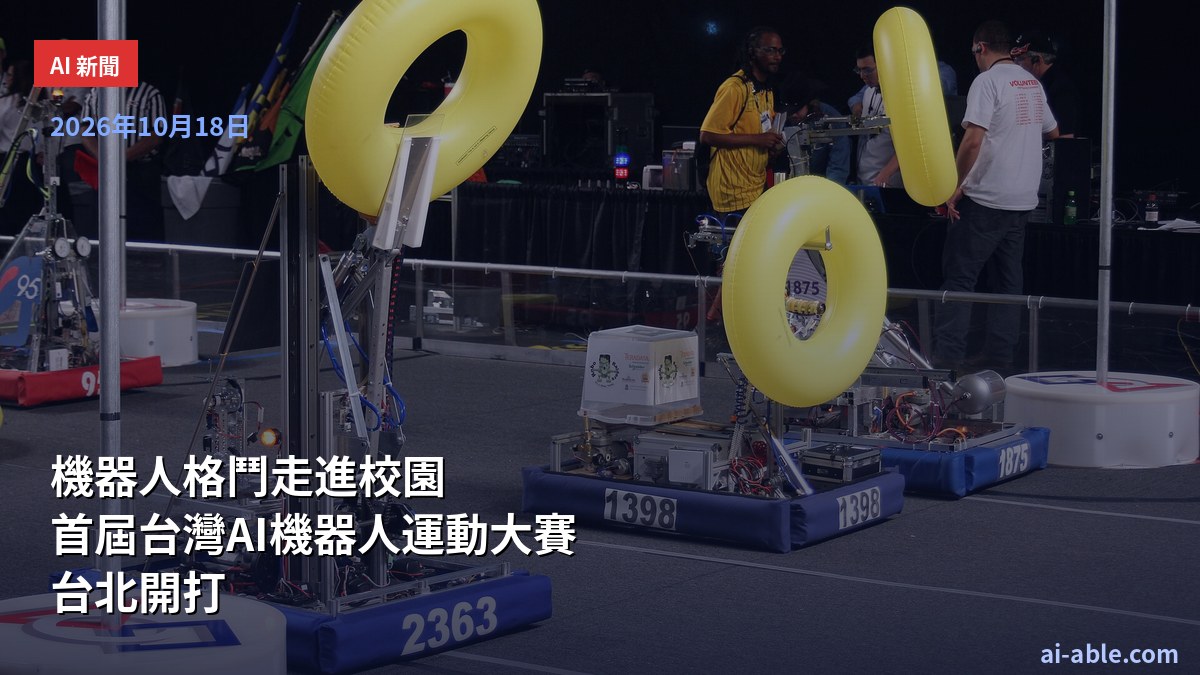
Fighting robots have officially entered Taiwanese schools. The first Taiwan AI Robot Sports Tournament, organized by the Taiwan AI Sports Association, kicked off on October 17 at Jian’an Elementary School in Taipei’s Da’an District — a new kind of event blending tech competition, environmental sustainability, and public-interest education, drawing more than a dozen elementary school principals, dozens of parent-association heads, and business leaders to cheer on young competitors.
The Arena Opens: A 2-Meter Giant Robot Steals the Show
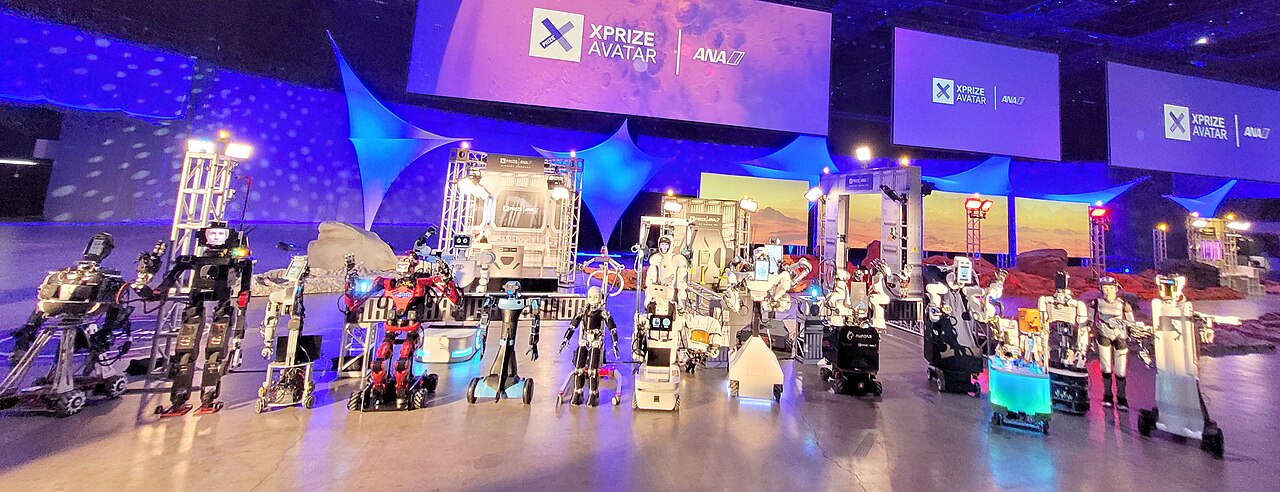
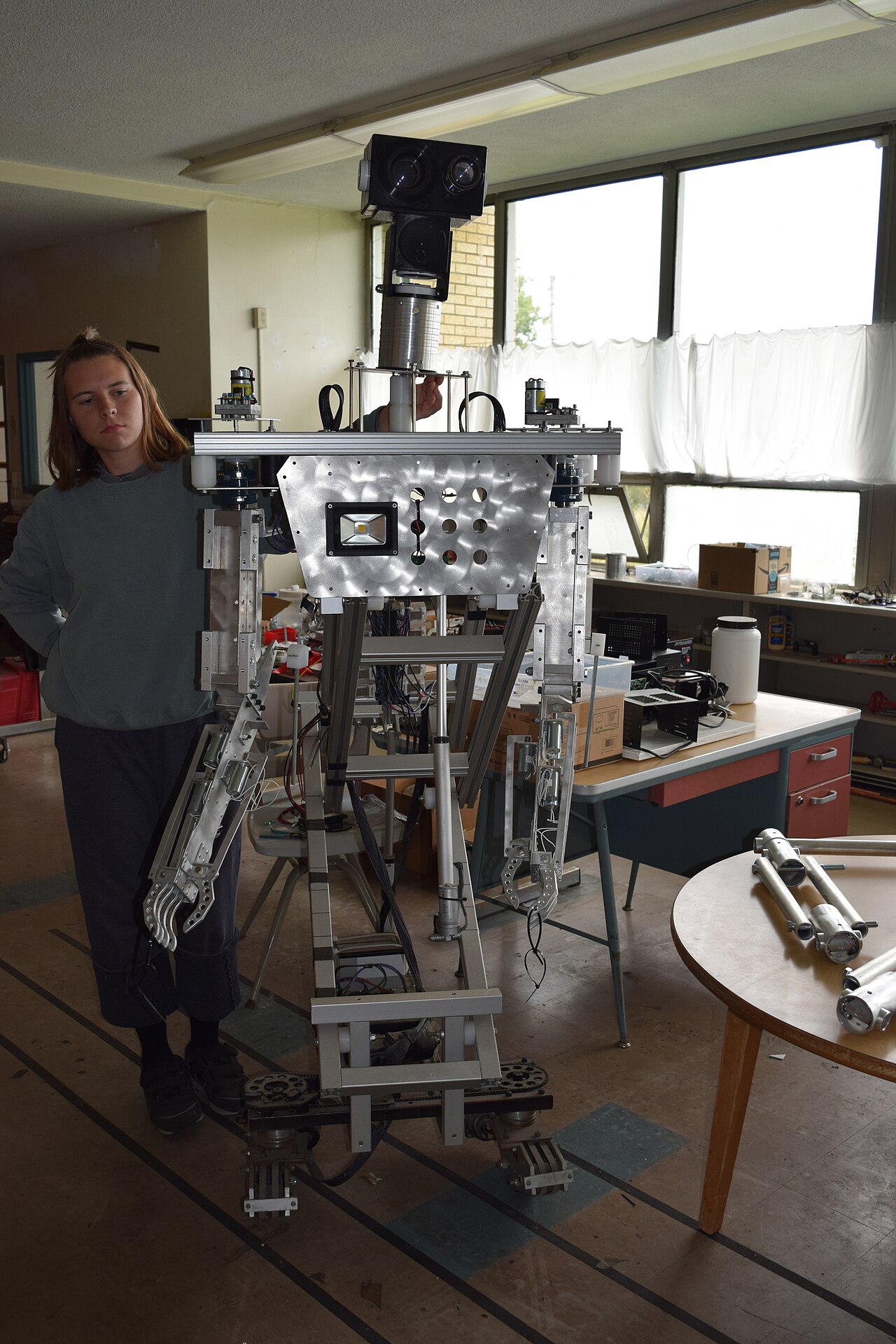
At the heart of the event is robot combat. Student pilots control their self-built machines in head-to-head matches that test not just joystick skills but mechanical design, tactics, and split-second adaptation. The biggest crowd magnet, however, stood outside the ring: a giant “Siegfried” robot over two meters tall, built by Wind Nest Home CEO Cheng Kuo-hsin entirely from recyclable honeycomb paper — a striking fusion of circular-economy thinking and tech showcase. In the advanced division, competitor Lin Chun-wen claimed the first championship in the tournament’s history.
“Learning by Doing”: The Educational Core Behind the Combat
Taipei Deputy Mayor Lin Yi-hua attended in person. She noted that with AI advancing at full speed, future education can no longer rely on lone-wolf effort — it must emphasize innovative thinking, problem-solving, and teamwork. Robot contests, she said, are more than technical contests: children learn by watching other teams’ creativity and strategies. Lin added that Taipei has long invested in tech education, from elementary-level information curricula to self-developed teaching materials for drones and quantum computing, and the city will keep integrating resources to build the tech literacy students need for the AI era.
Li Chia-yu, chairperson of the Taiwan AI Sports Association, said the association aims to build a learning platform that unites technology, education, sports, and competition — bringing AI education out of the classroom and cultivating children’s logical thinking, adaptability, and teamwork through contest experience. Chen Hsueh-sheng, director-general of Taichung’s Business Development and Investment Promotion Office, praised the association’s push for “AI education equity,” hoping children from rural and disadvantaged families get the same access to emerging tech. Chiu Yen-po, head of the Elementary Schools Alliance, encouraged young players to accumulate experience through every iteration and gradually build a robot world of their own.
Community Power: From Temple Sponsorship to Charity Sales
Pulling off the event took a coalition. Songshan Xiahai City God Temple and the Chang Sheng Education Foundation sponsored the tournament, while Keltress scalp-care founder Kung Chin-hua ran an on-site charity sale, donating all proceeds to rural AI education programs. From the heated combat ring to the flow of charitable resources, the event proved itself as much a social-care initiative as a tech spectacle.
Seven Winter Camps, One Equity Formula: Every 5 Students Fund 1 Rural Child
“AI education equity” is more than a slogan. The association announced seven school-partnered camps for the winter break — headlined by an overseas challenge camp in Singapore with a built-in equity mechanism: for every five paying students, one rural student is invited to join free of charge, directly narrowing the urban-rural starting line. The association hopes to leverage corporate and educational resources to shrink the tech learning gap and cultivate Taiwan’s next generation of tech talent.
Conclusion: A Talent-Rooting War That Starts in the Ring
The first Taiwan AI Robot Sports Tournament may be modest in scale, but it demonstrates an alternative to rote learning: children engineering, strategizing, and cooperating under real contest pressure — with equity mechanisms ensuring family resources don’t decide who gets to touch AI. As nations compete for AI talent, this kind of elementary-school-level groundwork is exactly the educational infrastructure Taiwan needs. The caveat: sustained robotics education requires stable curricula and trained teachers, not just enthusiasm. This inaugural event is a starting point; whether the winter camps deliver and industry links follow will determine whether it grows from a one-off happening into a permanent platform for tech education.