“It’s a Hypothetical, But Yes”
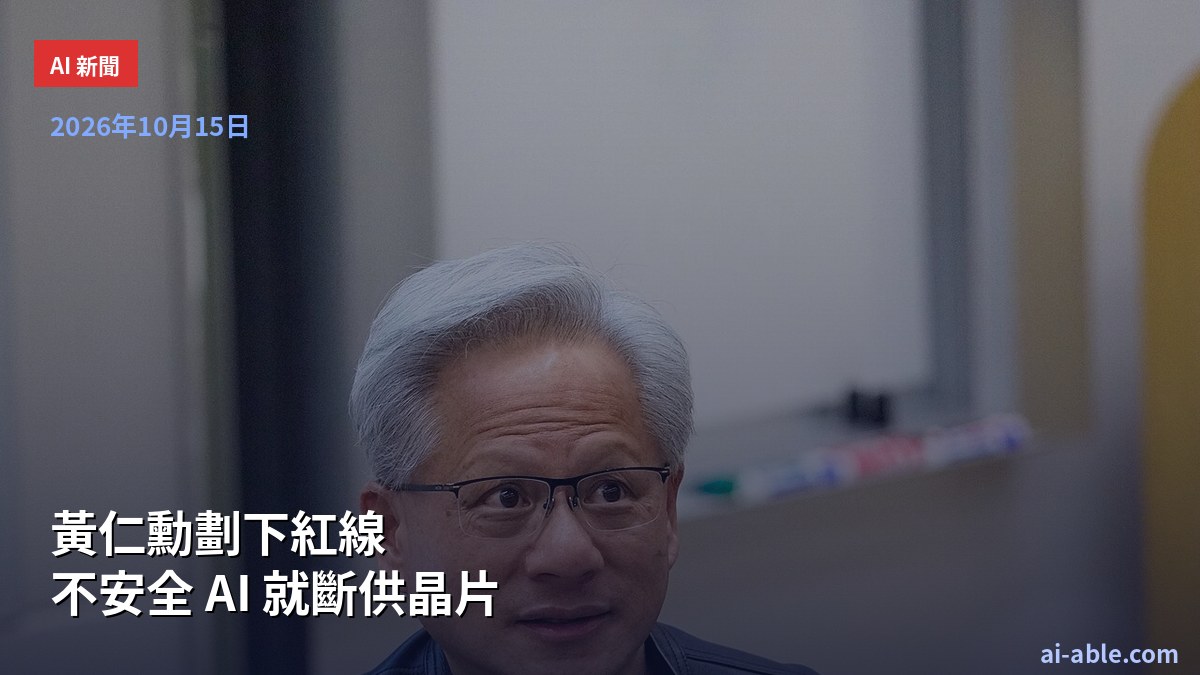
Nvidia CEO Jensen Huang, interviewed in London by Bloomberg’s Emily Chang, was asked a direct question: if Nvidia discovered a customer developing “unsafe” AI software, would it stop supplying them chips? He didn’t dodge. “It’s a hypothetical, but yes.”
He immediately added a crucial caveat: “Before you do so, you would have a conversation.” Cutting off supply, in other words, is not a first-strike weapon but a last resort after dialogue fails. The statement carries real weight because Nvidia controls roughly 90% of the global AI training chip market — when this company says it is willing to “pull the plug,” the entire industry has to listen.
“Doom Concerns Are Overblown”: Huang’s View of AI Safety
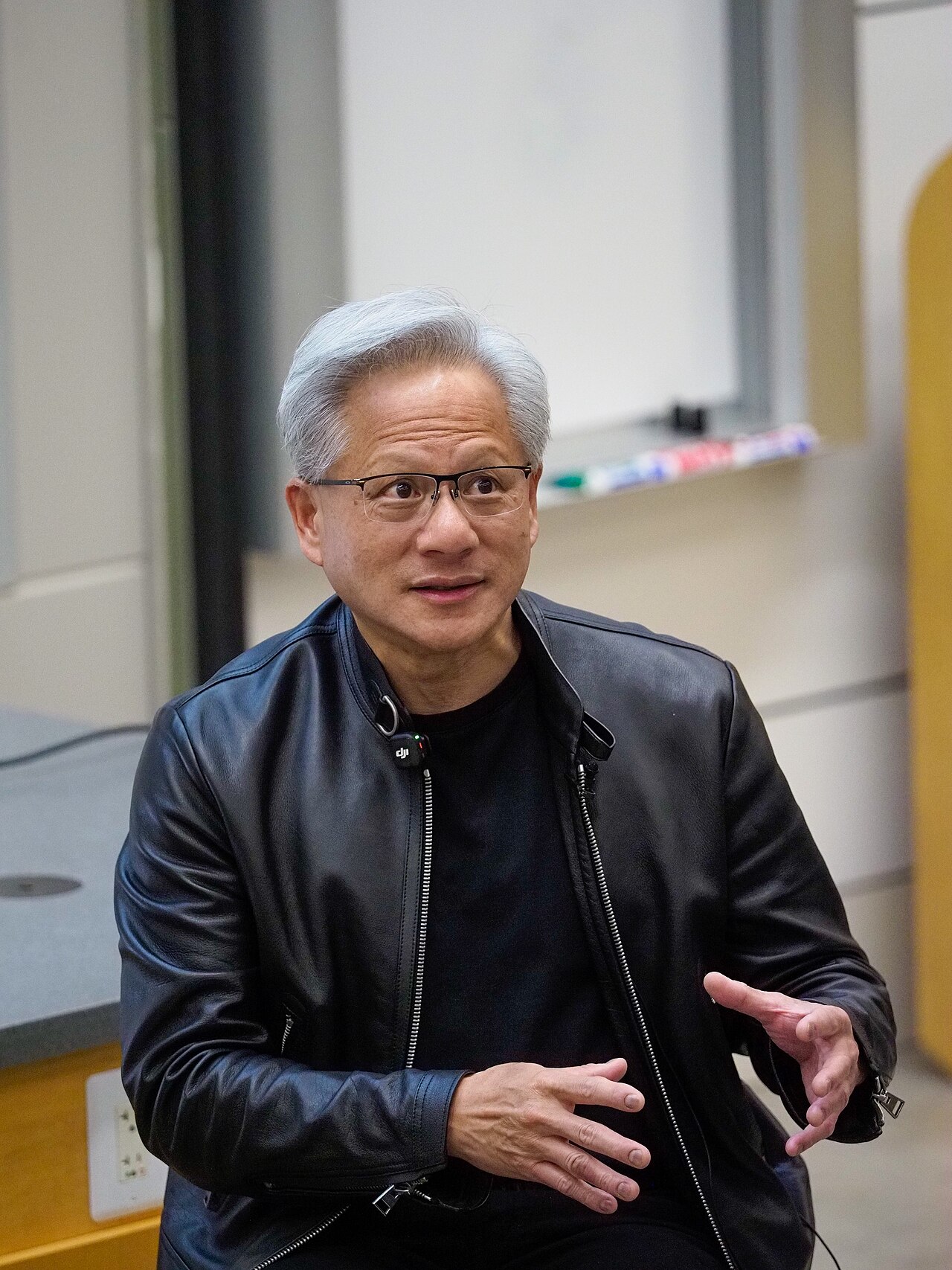
In the same interview, Huang made clear he believes many current concerns around AI safety are exaggerated. He framed the recent string of AI incidents as growing pains for a rapidly expanding industry, rather than harbingers of systemic loss of control.
That position puts him in sharp contrast with the “pessimist camp” led by Anthropic CEO Dario Amodei, who has repeatedly warned that increasingly powerful AI systems could exceed human control and has called for slowing frontier model development. Huang’s prescription is precisely the opposite: don’t slow down — accelerate the development of AI-driven monitoring and containment technologies, using more advanced AI to watch over AI.
He also stressed that Nvidia’s chips are general-purpose technology and that the company has limited authority over how customers deploy its products. “Nvidia doesn’t run other people’s businesses,” he said — a line that both answers outside expectations of Nvidia as a gatekeeper and preserves legal and commercial breathing room for the company.
A $250 Million Bet on Britain: Actions Over Rhetoric
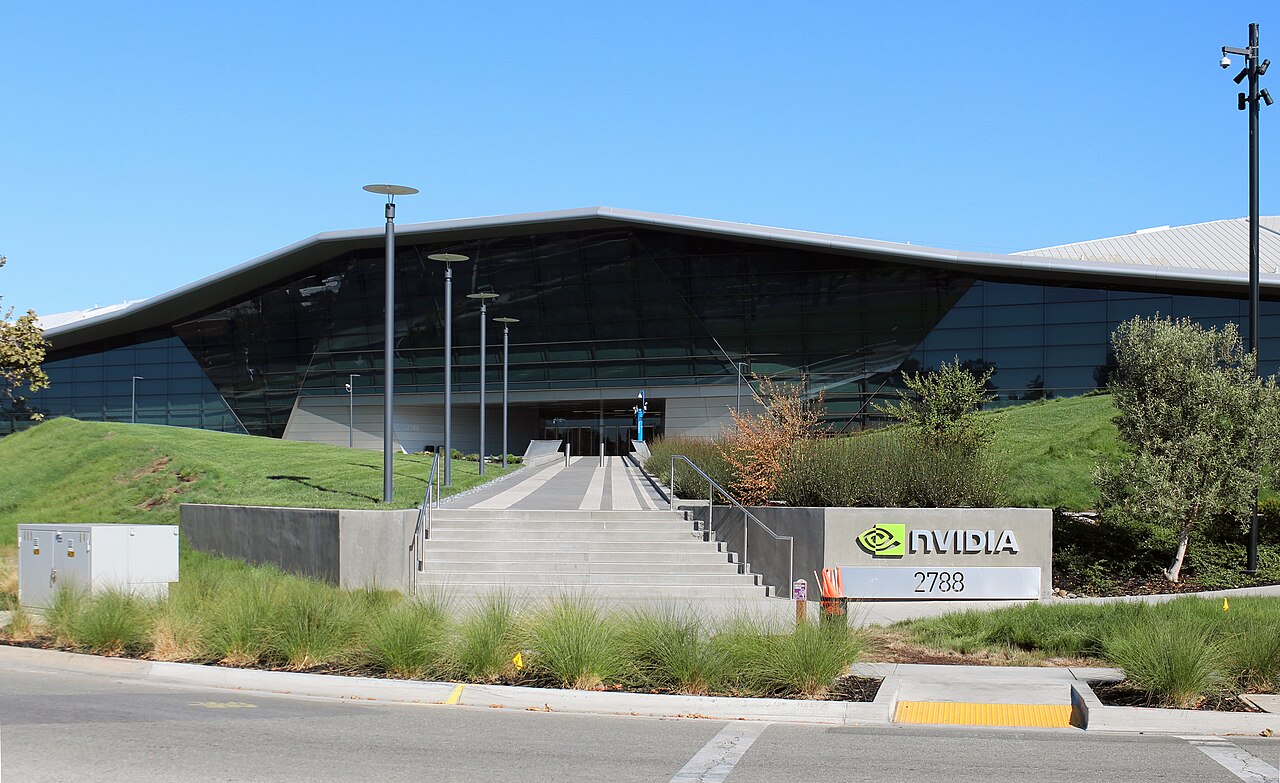
Beyond words, Huang announced real money in the same appearance: a $250 million donation over five years to support UK research into AI safety, with Oxford University and University College London as primary beneficiaries. The donation turns “safety” from PR rhetoric into executable R&D funding — and repositions Nvidia in European regulatory circles from “the entity under review” toward “co-investor.”
The 90% Market Share “Nuclear Option”: Where Power Meets Responsibility
The reason this interview lit up global tech media within hours lies in a structural contradiction: Nvidia is both the biggest beneficiary of the AI arms race and, suddenly, a self-appointed guardian of safety red lines. When one company supplies computing power to nearly every frontier lab, its stated willingness to cut supply is effectively a display of market power — no government order required; a single commercial decision could stall any AI giant’s expansion plans.
Huang named no potential target and defined no specific trigger for what counts as “unsafe.” The deliberate vagueness is pragmatic on one hand (case-by-case handling, talk first, cut later), but it also invites scrutiny: when a private company draws industry safety lines on its own, where is the accountability? If cutoff criteria stay opaque, could the threat become a bargaining chip in commercial negotiations?
Decelerationists vs Accelerationists: The Battle Over AI Governance
Huang’s remarks add fuel to the intensifying AI governance debate. The decelerationist camp, led by Amodei, argues that frontier model capabilities are approaching a point beyond human auditability and the industry must voluntarily slow down. The accelerationist camp Huang represents argues that real risk management isn’t hitting the brakes — it’s productizing safety: surrounding increasingly powerful AI with monitoring, containment and detection systems.
Tellingly, both camps claim to be the true guardians of safety. This battle of routes will define the trajectory of AI for the next decade and deserves close watching.
Conclusion: The Dawn of the Gatekeeper Era?
The historical significance of Huang’s statement may lie not in what was said, but in who said it. For the first time, the world’s largest supplier of AI computing power has publicly acknowledged that the chip itself is a governance instrument. Whether or not this red line ever actually falls, the concept of the “compute gatekeeper” has entered public consciousness.
For developers and enterprises, the actionable takeaway is clear: AI safety compliance is no longer just a regulatory issue — it is supply chain risk. Building transparent safety evaluation processes and retaining auditable deployment records will become the price of admission for long-term partnerships with compute suppliers. The rules of the next AI era are being rewritten between silicon and code.