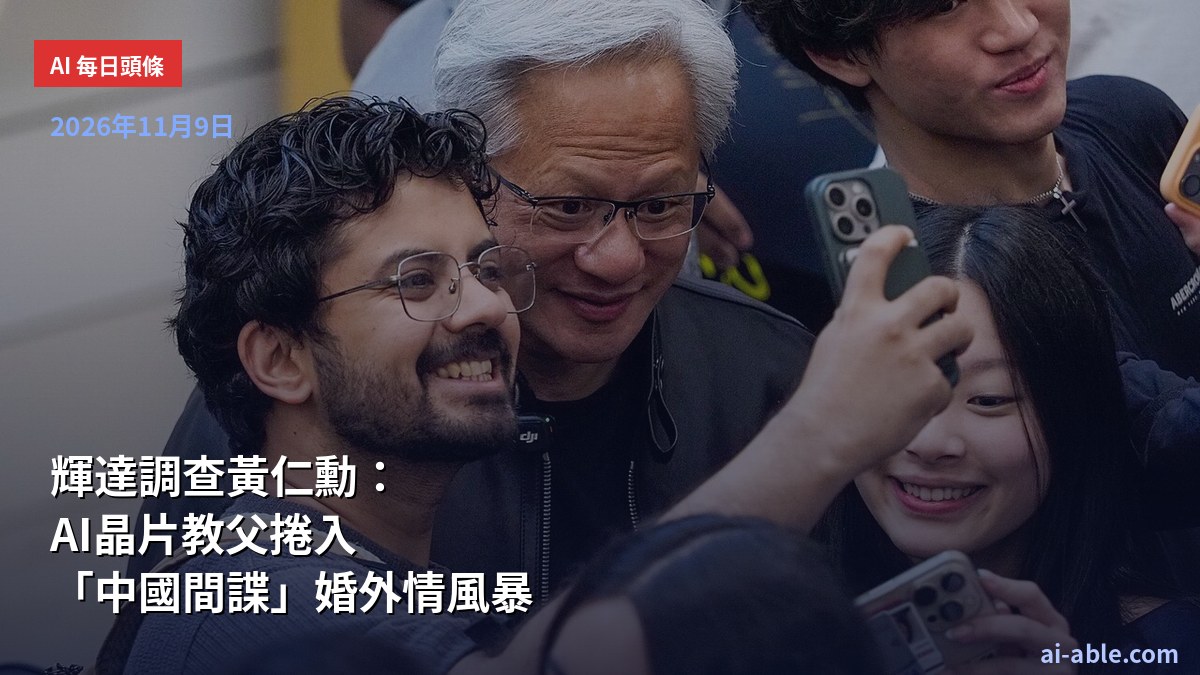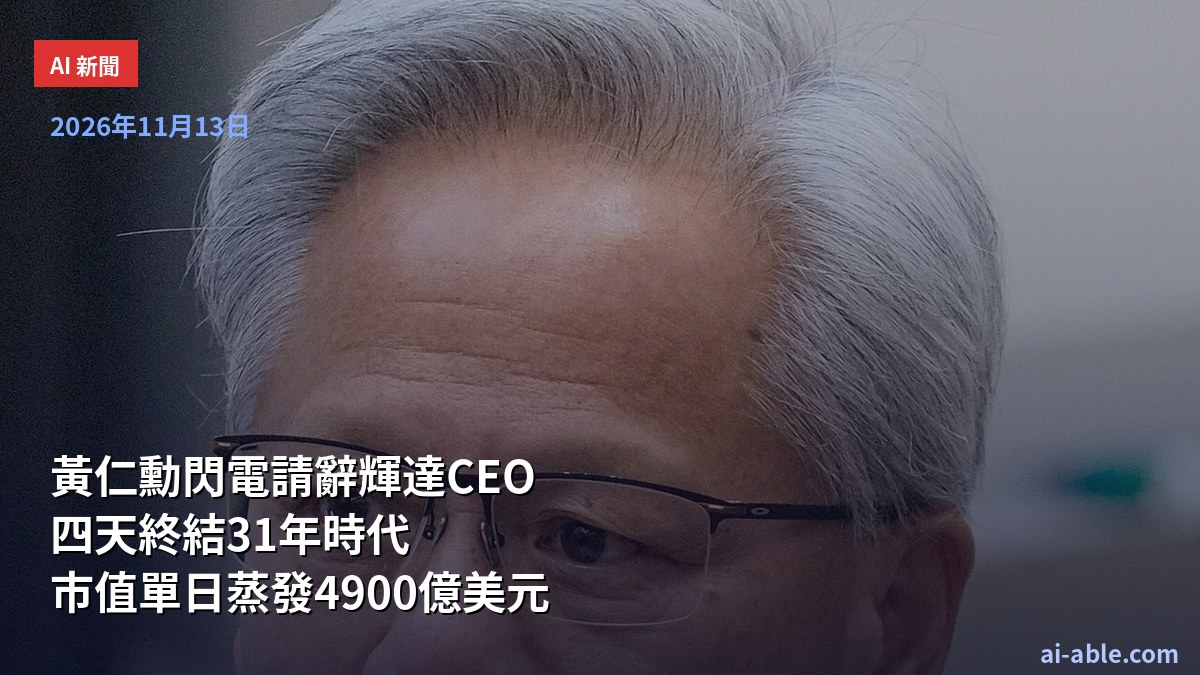
Nvidia’s board issued a blunt statement: “Jensen Huang has resigned as President, Chief Executive Officer, and a member of the Board, effective immediately.” The storm that began with an internal investigation on November 8 took just four days to topple the architect of the AI chip empire. CFO Colette Kress steps in as interim CEO, while the board says it “will consider internal and external candidates” for a permanent successor. The news knocked Nvidia shares down 4.3% in a single day, wiping out roughly $490 billion in market value — one of the largest single-day value destructions in corporate history.
Four Days: From Board Probe to Lightning Resignation
The timeline traces back to November 6, when The New York Times and Financial Times revealed that Alice Huang (Huang Le) — the executive at an AI compute company renting access to Nvidia GPUs — had been identified by US intelligence as a spy for China’s Ministry of State Security, tasked with gathering information on the Nvidia CEO himself. The pair were spotted together in public at least twice, in June 2024 and May 2025. The Chinese government has rejected all espionage claims. On November 8, Nvidia announced its internal investigation. On November 11, the NYT reported a second affair — this time with an Nvidia executive who reported directly to Huang. The board met that night; Huang resigned the next day.
What Broke Him: A Direct Report and an NDA, Not Espionage
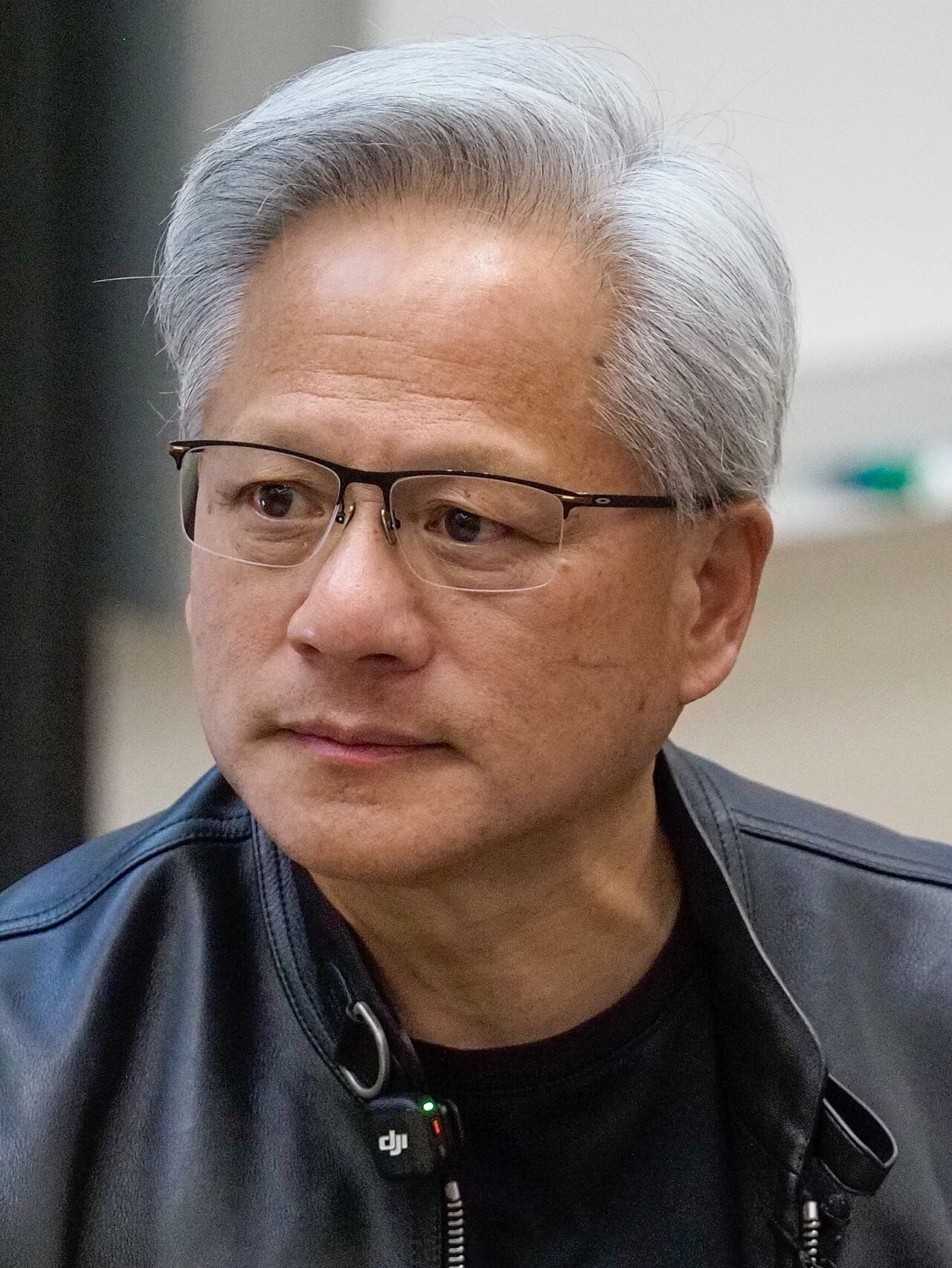
According to a source familiar with the matter who spoke to WIRED, the alleged relationship with a subordinate — along with Huang’s business dealings with Megaspeed, the Singapore-based AI company where Alice Huang previously held a senior position — likely played a greater role in the board’s decision than the Chinese espionage allegations. The Verge reports that Nvidia’s vice president of healthcare, Kimberly Powell, is the executive in question; a bystander who recorded the two being “affectionate” at the hotel hosting Nvidia’s GTC developer conference in May was met by Huang’s security workers and asked to sign a non-disclosure agreement. Reuters subsequently reported a third affair. Another telling detail: Huang began working with a crisis PR firm a year ago to manage his personal communications, and in October 2025 — after the NYT reported that the US Commerce Department was investigating whether Megaspeed helped Chinese companies circumvent export controls — that investigation was halted and transferred to the Justice Department after Nvidia general counsel Tim Teter inquired about it. Huang had been a vocal critic of export controls and cultivated a relationship with President Trump to advocate for policies favorable to Nvidia.
Colette Kress: From CFO to Helming a $4 Trillion Empire
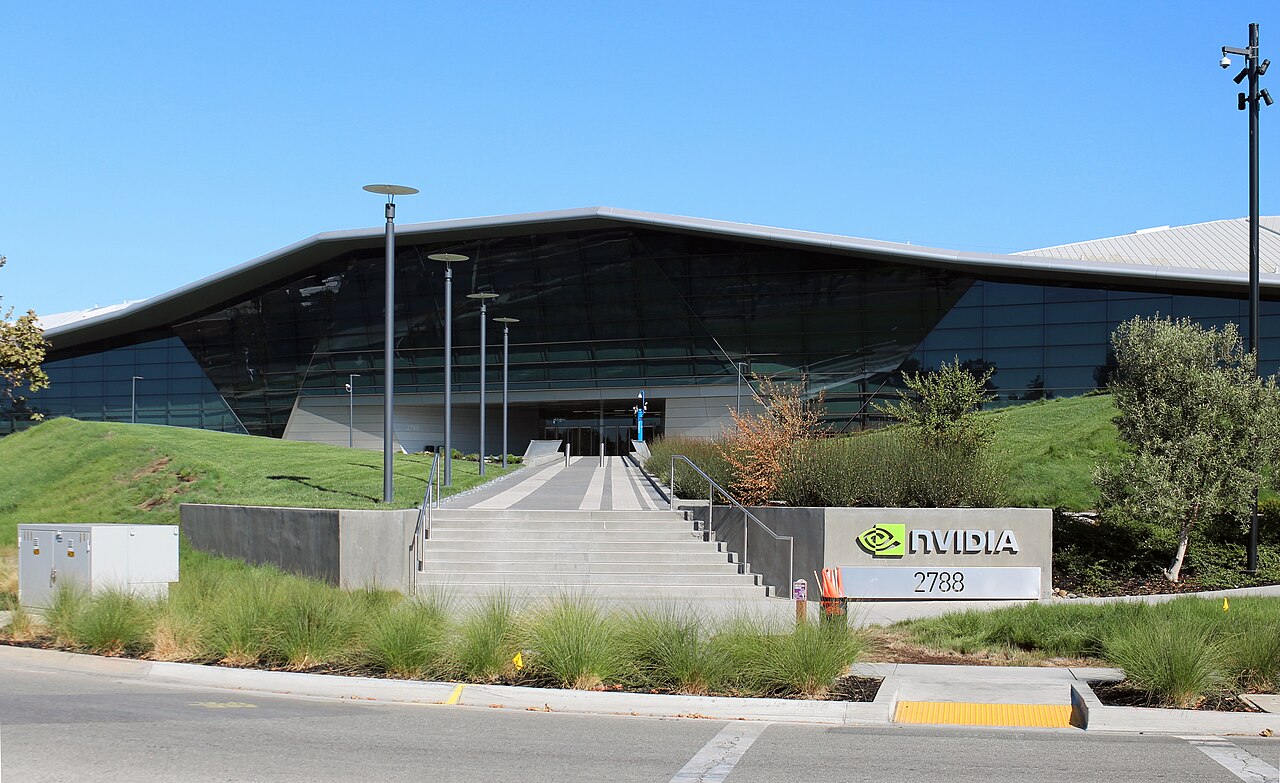
Interim CEO Colette Kress has served as Nvidia’s CFO since 2013, witnessing the company’s full metamorphosis from gaming graphics maker to AI hegemon. The empire she inherits: founded in 1993 by Huang and two friends who brainstormed the vision at a Denny’s diner; the first company in history to cross $4 trillion in value in summer 2025; and controller of roughly 90% of the global GPU market as of September 2026. Underpinning it all are the chips themselves, the CUDA software moat that locks developers in — and the fast-thinking, controlling, charismatic leadership style of Huang himself. Now the most critical variable in that equation is gone.
Double Shockwave: Markets and the Open-Source Ecosystem
The news sent shockwaves through markets and the industry alike. AI stocks whipsawed: Nvidia fell 4.3% while AMD and Broadcom rallied, as capital began repositioning for the post-Huang era. On prediction markets, bets on whether Elon Musk would recruit Huang remain low, but talk from AI chips to rockets is already heating up. The deeper impact may lie in open source: Huang was a key patron of open-weight AI (Nvidia bought Hugging Face and invested in Thinking Machines this year), and TechCrunch notes his exit puts Nvidia’s support for open source in question — though Hugging Face’s CEO has publicly vowed to keep fighting for open-source AI. SemiAnalysis warns that Nvidia’s supply chain and startup ecosystem face two major tests ahead.

Conclusion: The AI Era’s First Founder Crisis Is Just Beginning
Huang’s resignation is the biggest corporate leadership earthquake of the AI decade. For investors, attention turns to whether Kress can steady the ship, who wins the permanent CEO seat, and whether the $4 trillion compute cycle gets repriced. For the broader industry, losing its most vocal evangelist leaves a vacuum in the public debate over export controls, China policy, and the open-source path. Four days ended a 31-year era — but the aftershocks of this crisis are only beginning.
Sources: WIRED, The Verge, TechCrunch, Reuters, The New York Times, Anue, CMoney (November 12–13, 2026 reports)