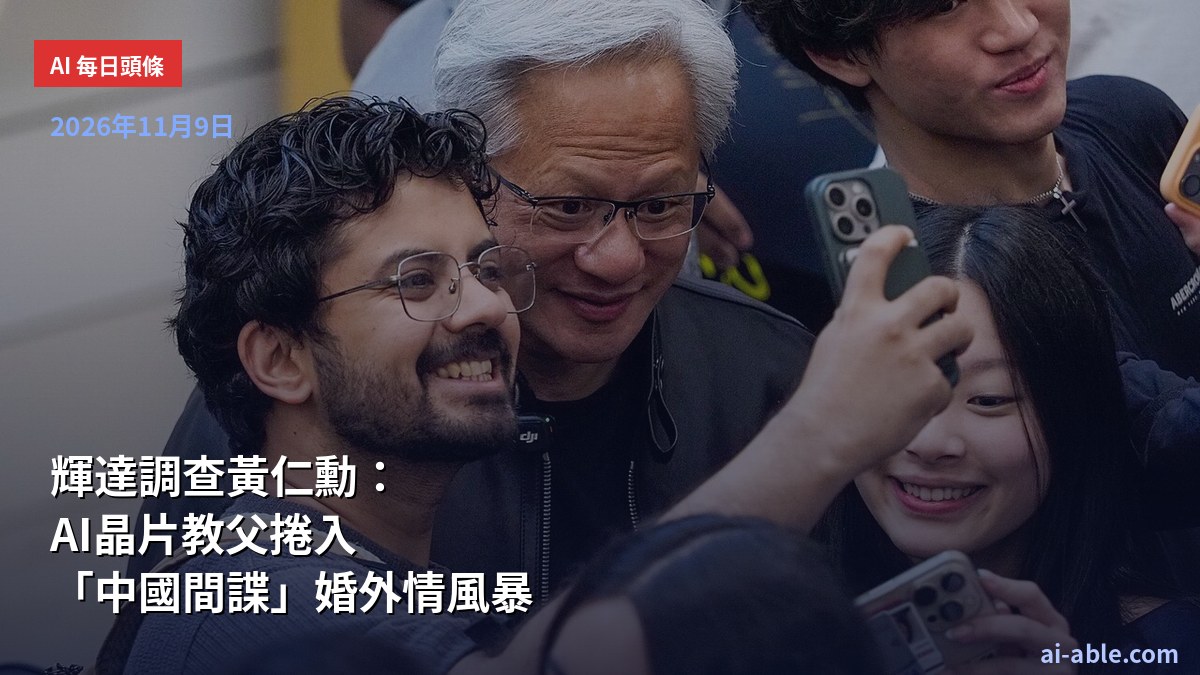
Nvidia, the world’s dominant AI chipmaker, dropped a bombshell on Sunday (November 8): its board of directors has launched an independent investigation into co-founder and CEO Jensen Huang, after U.S. officials determined he had developed an intimate relationship with a businesswoman recruited by China’s Ministry of State Security. Huang himself has admitted the affair to the entire company and publicly apologized. A storm combining espionage, chips, and power at the highest level is now shaking the AI industry to its core.
What Happened: From a Close Relationship to Espionage Allegations
According to The New York Times, Huang developed a “close relationship” with Alice Huang, a former executive at Singapore-based chip company Megaspeed. A memo circulating among U.S. policymakers earlier this year claimed Alice Huang had been recruited by China’s Ministry of State Security to spy on Nvidia’s CEO, feeding information directly back to Beijing. Complicating matters further, Megaspeed is an Nvidia customer and is itself under investigation by the U.S. Commerce Department over whether it smuggled AI chips to China.
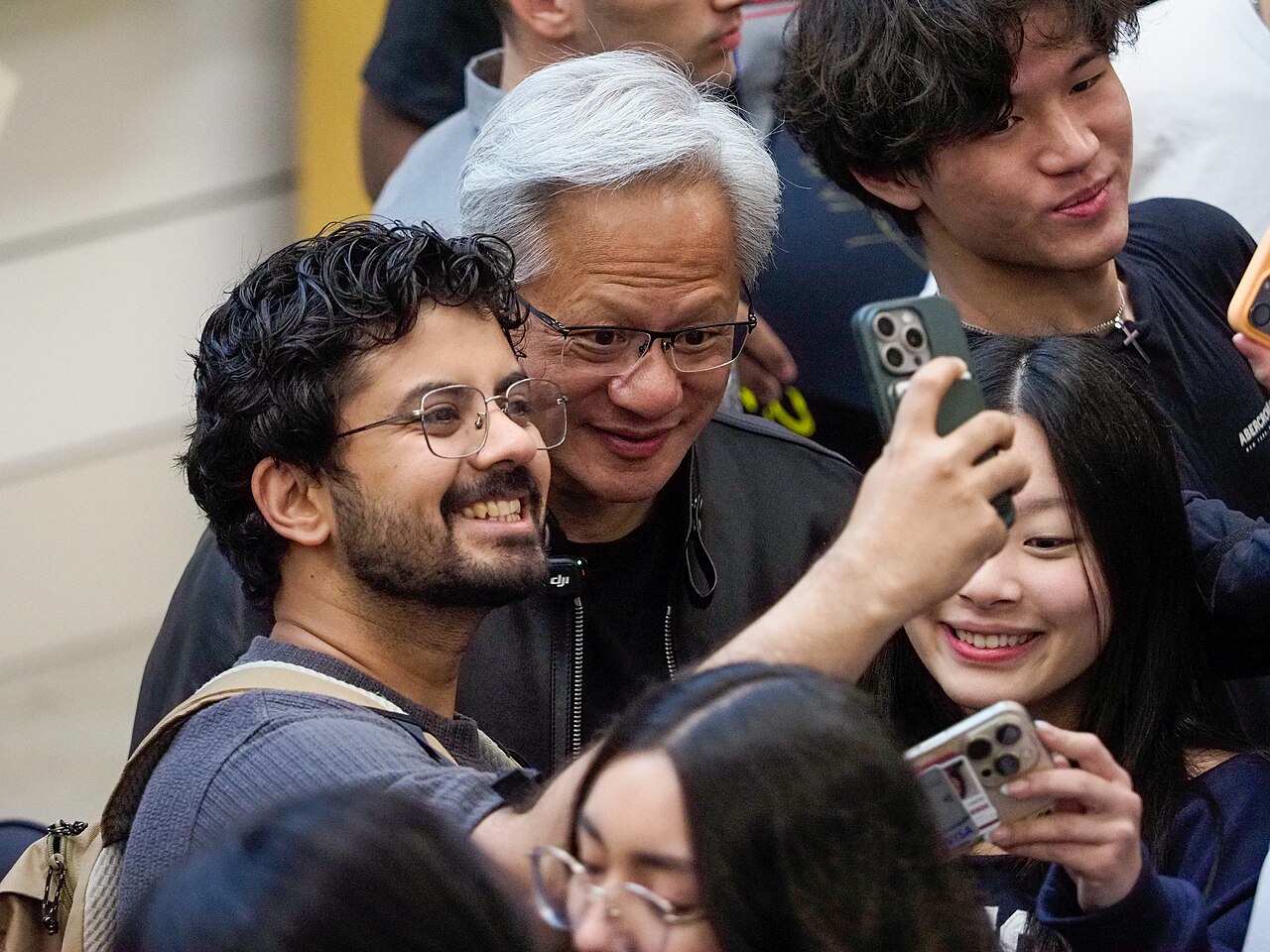
In its announcement, Nvidia’s board said it has “no reason to believe” that either national security or company secrets were compromised. It added that Huang “fully supports the review and has committed to cooperating with it,” and that the board has “confidence in Jensen and his leadership team.” The investigation will be conducted by a committee of independent directors working with outside independent legal counsel.
Huang’s Apology: “I Owe My Family and All of You an Apology”
Nvidia also published the message Huang sent to the company. “I owe my family and all of you an apology,” he wrote. “I was unfaithful to my wife. My actions hurt her and our children. There is no excuse for what I did. I am deeply sorry.” He continued: “To my colleagues at NVIDIA, including those I have worked alongside for decades, and to our board, partners, and shareholders around the world: you deserve better from me.”
Why This Matters: Chips, the White House, and National Security Collide
This scandal far exceeds ordinary corporate gossip because of three overlapping layers. First, as the U.S.-China AI race heats up, Nvidia’s chips are the central stake in America’s technological supremacy — both the Biden and Trump administrations restricted their sale to China, and while Trump loosened some curbs, the most powerful chips remain barred from Chinese firms. Second, Huang has grown notably close to President Donald Trump, a cheerleader of the AI “superintelligence” industry; the question of what insight into White House AI deliberations he may have shared — and whether it reached Beijing through Alice Huang — sits at the heart of the inquiry. Third, Nvidia trades near historic highs, and analysts warn the stock could swing sharply when markets open Monday.
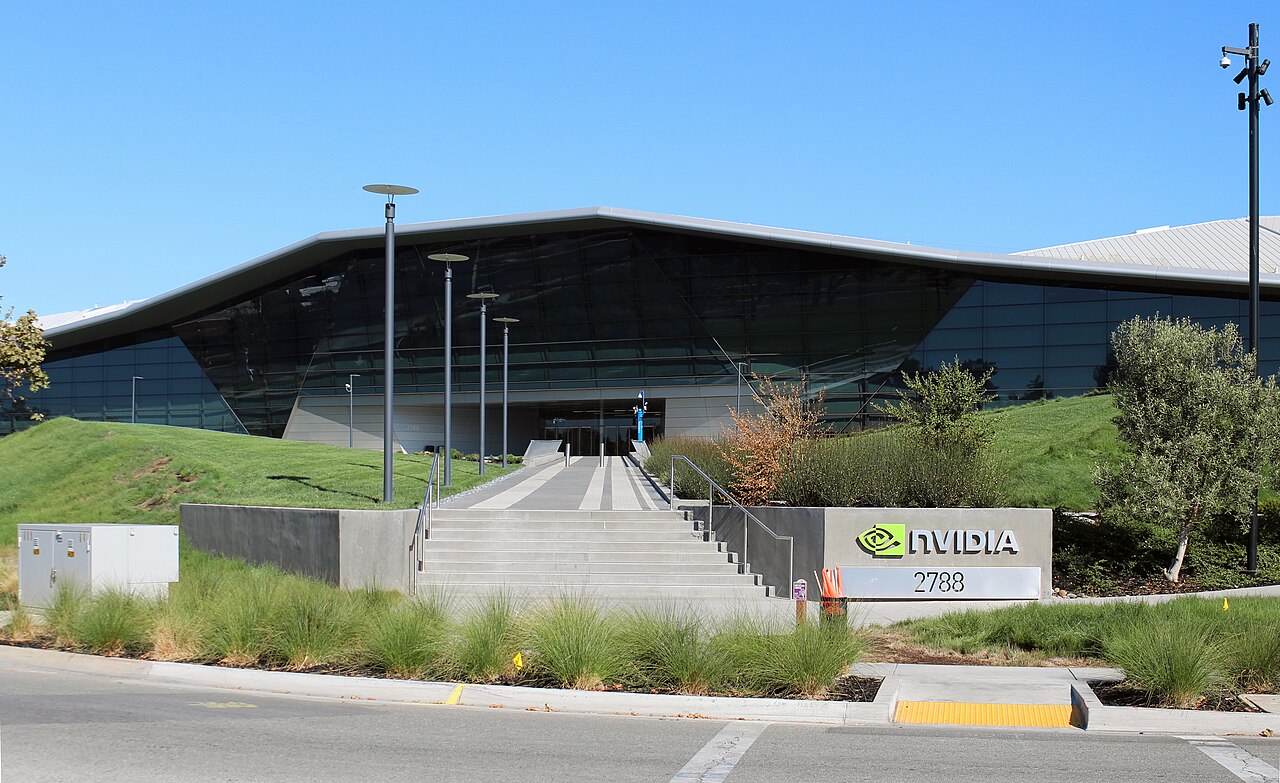
Nvidia had earlier responded to reports about the relationship by saying the pair’s interactions were “not unusual” and that the company does not share classified information with customers. But after the detailed Times report, the board chose to confront the crisis head-on with an independent investigation.
The Fallout: CEO Tenure, Export Controls, and Investor Confidence
Analysts generally expect Huang to remain in his post for now; whether he stays at the helm of the world’s most valuable chip company will hinge on the board’s findings. But the timing could hardly be worse — Nvidia is still digesting recent AI-stock turbulence while carrying the strategic weight of America’s AI computing power, and any leadership wobble will be amplified by the market. Phillip Wool of Rayliant Global Advisors told CNBC the reports come at a “terrible time” for the company.
The deeper question is institutional: when the soul of a company holding strategic national technology becomes the target of a foreign intelligence service, where should the line between corporate governance and national security be redrawn? The Commerce Department’s smuggling probe into Megaspeed, the intelligence assessment, and the board’s independent investigation will ultimately converge — deciding the fate of the “Godfather of AI chips” and possibly rewriting the relationship between Silicon Valley and Washington.
Conclusion: A Personal Scandal, a Geopolitical Earthquake
Huang’s affair would be a private matter — except the other party is an alleged Chinese spy, the man runs the world’s most important AI chip company, and he is close to the White House. In the short term, investors should brace for volatility at Monday’s open and prolonged uncertainty during the investigation. In the long run, the episode is bound to accelerate tighter U.S. scrutiny of chip exports and the national-security vetting of tech executives. For the entire AI industry, it is a wake-up call: at the frontier of great-power competition, the personal life of a technology leader is no longer personal.