The “Blue Wave” Flips Wall Street: AI Stocks’ Black Thursday, Documented
America’s midterm elections delivered a Democratic “blue wave” — control of both the House and the Senate — and Wall Street answered with an AI massacre. The Nasdaq Composite plunged 5.5% on Thursday, its biggest one-day drop in 19 months, officially entering correction territory (down nearly 12% from its October 6 record close). The Nasdaq 100 erased $2.5 trillion in market value in a single session, the S&P 500 wiped out roughly $3 trillion, and the Dow Jones crashed 1,800 points. It was the darkest day since the “Liberation Day” rout of April 2025 — the first time the myth of the AI arms race was jolted awake by the ballot box.
How One Election Ignited an AI Crash
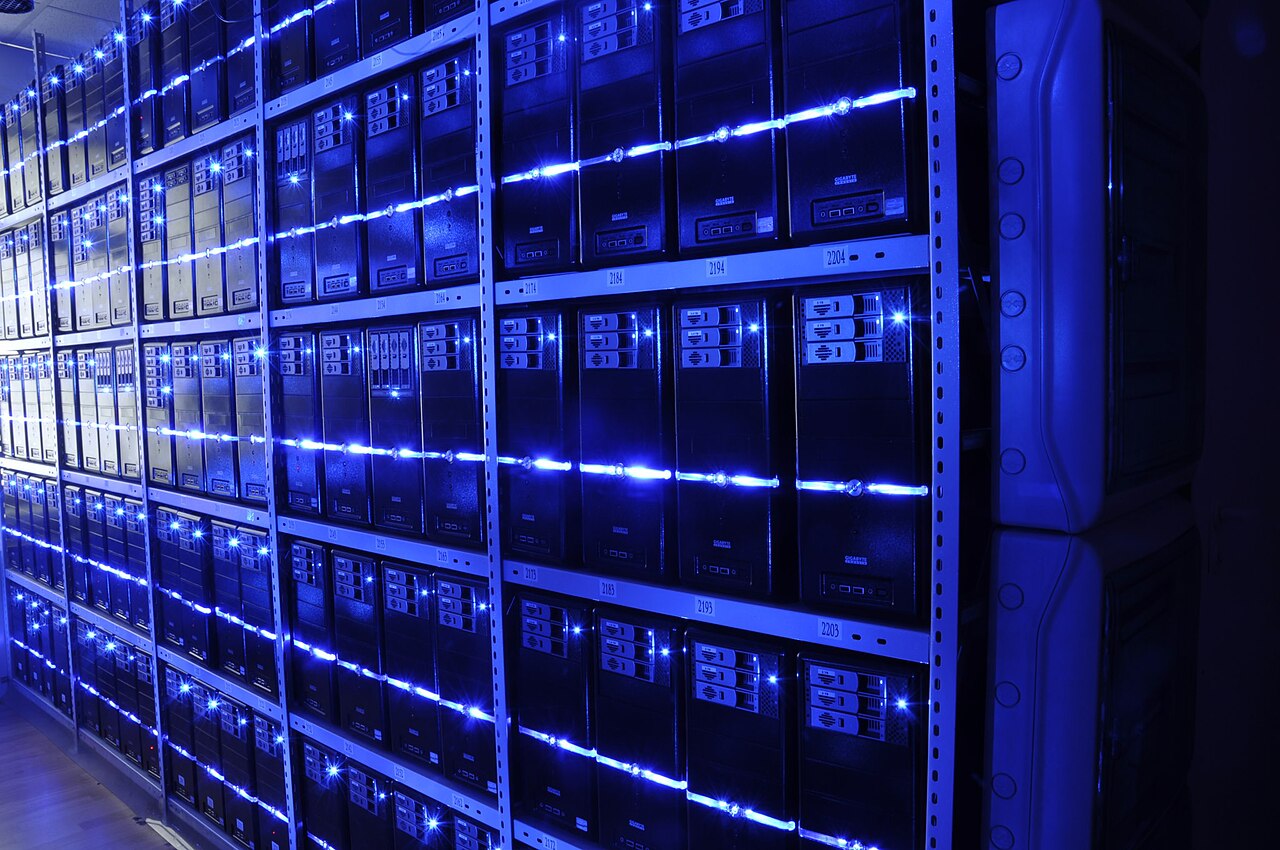
The answer is regulatory fear. With Democrats in full control of Congress, markets braced for tighter scrutiny of the AI industry — above all, data center construction. The Straits Times quoted JonesTrading chief market strategist Michael O’Rourke: “The big election outcome was, especially with the Democrats winning a lot of the governorships, that the slowdown of the data center buildout is the real key theme that’s going to stick.”
UBS analysts estimate that around 30% of expected US data center capacity additions in 2028 could be at risk from potential construction pauses. Bruce Zaro, managing director of Granite Wealth Management, warned that data centers “strain the power grid, strain the water systems” — and a long road of permitting battles lies ahead for projects that have yet to be approved. For an industry that depends on breakneck expansion, that is a direct hit at the foundation.
Jensen Huang Loses $15.1 Billion in a Day, Drops Out of the Top 10
Nvidia shares sank 9% in the rout, wiping $15.1 billion off CEO Jensen Huang’s net worth in a single day — down to $150.9 billion and from 9th to 13th on the global billionaire rankings, per Bloomberg. The Philadelphia Semiconductor Index crashed 12% to its lowest level in more than six months; AMD collapsed 17%. Wall Street’s fear gauge, the VIX, posted its largest jump since December 2024. Adding to Nvidia’s woes, House GOP leaders have asked Huang to speak at a closed-door briefing, after a New York Times report on his ties to an executive US officials concluded was funneling information to Chinese intelligence.

Asia Falls: Kospi Circuit Breaker, Nikkei in Technical Bear Market
The selling didn’t stop at Wall Street. In the November 6 Asian session, South Korea’s Kospi plunged 8.8% in early trading, triggering a circuit breaker, with Samsung Electronics and SK Hynix both down more than 9%. Japan’s Nikkei 225 broke below 57,000 into technical bear territory, and Taiwan’s index futures tumbled nearly 3,000 points overnight, losing the 40,000 mark. Retail investors began asking the question out loud: is the AI bubble really bursting?
CoreWeave Default Risk Hits Record as AI’s Debt Era Faces a Stress Test
CoreWeave — the barometer of investor anxiety over heavy AI spending and borrowing — slumped another 10%, its five-year credit default swap spreads widening to a record 1,267.9 basis points, meaning the market is now pricing in a potential default. Nebius and other neocloud firms fell just as hard. Recall that this year SpaceX raised $40 billion in debt to buy Nvidia chips and Amazon lifted capital spending to $220 billion: the AI arms race has been running on debt for a while. With elevated rates now compounded by regulatory fog, financing costs have bitten back into valuations with a vengeance. Qualcomm’s weak earnings outlook added fuel to the chip selloff.
Outlook: Crisis or Golden Dip?
The bulls call this a long-overdue healthy correction — the Nasdaq had repeatedly hit record highs, and AI fundamentals (demand, revenue) haven’t changed. The bears warn that with data center permitting slowdowns, local opposition, and rising financing costs all striking at once, smaller AI infrastructure firms will be hit first — and some analysts are already asking whether Anthropic’s blockbuster fall IPO could be delayed by market turmoil.
What’s certain: political risk is now officially priced into AI stocks. When a shift in Congress can erase $2.5 trillion in a day, investors must re-examine the foundations of this AI rally — it rests not only on chips and algorithms, but on regulatory tolerance, power grids, water systems, and the bond market’s patience. Volatility looks set to continue: strategists like Kramer warn the selling may not be over, with data center buildout prospects the biggest variable in valuations.
Conclusion
This election-triggered AI crash is, at its core, a collective repricing of the assumption that AI infrastructure can expand forever. For ordinary investors, rather than calling the bottom, watch three signals: data center permitting progress, debt indicators at neocloud firms like CoreWeave, and the Democrats’ first AI legislative moves in Congress. The long-term AI story isn’t over — but the era of “buy AI with your eyes closed” officially ended on this Black Thursday.