
“Every Single Week, Seniors Ask Me If the $294 Diabetes Cure Works”
Billionaire investor Mark Cuban has never sold a diabetes treatment. Yet for the past two years he has received a steady stream of emails from elderly Americans: “I just ordered your cure for diabetes for $294” and “Will your cure work?” The source is a flood of Facebook scam ads that use AI deepfake technology to clone his face and voice. “Facebook knows this is happening, and the ads keep running,” Cuban said on the Pivot podcast. What began as one celebrity’s nuisance has escalated into the ugliest AI scandal Meta has faced in years: internal documents reveal that scam advertising is not a bug in the system — it is a $16 billion business.
Meta’s Internal Docs: $16 Billion a Year from Scam Ads
According to internal Meta documents reviewed by Reuters and surfaced through litigation, the company has long quantified its scam economy with precision. A December 2024 document estimated that users across Meta’s platforms were shown roughly 15 billion high-risk scam advertisements every day. Another document put annualized revenue from the category at about $7 billion, while a broader estimate found that scams and prohibited goods accounted for around 10% of Meta’s 2024 revenue — roughly $16 billion a year. Meta spokesman Andy Stone pushed back, calling the documents “a selective view” and the 10% figure “rough and overly inclusive.” The company says scam ad complaints fell 58% over the past 18 months and that it removed more than 134 million scam ads in 2025.

The Most Damning Detail: Advertisers Had to Be 95% Likely to Be Scammers Before Being Banned
The single most damning detail in the documents concerns Meta’s automated enforcement threshold: the system had to assess an advertiser as at least 95% likely to be committing fraud before the account could be banned. Below that threshold, “suspected” scammers could keep buying ads — potentially at higher rates. In other words, being suspected of fraud was not a reason for removal; it was a reason for a price hike. Files reviewed by Reuters also showed Meta internally judged regulatory fines to be cheaper than the revenue the category generated — “fines cost less than the income” is the scandal’s most lethal line. The U.S. Securities and Exchange Commission is reportedly examining Meta over advertising linked to financial fraud.
Why AI Deepfakes Pushed Scam Ads Past the Point of Control
Cuban’s case is typical because it shows exactly how generative AI upgraded ad fraud. Yesterday’s scammers could only steal a celebrity’s photo; today’s can clone the face, the voice, and the lip-sync to produce a convincing “endorsement” video. Cuban co-founded the online pharmacy Cost Plus Drugs — which is precisely why fraudsters picked him to sell a fake diabetes cure. Some of the ads even carried disclaimers stating the person shown was AI-generated and the content was “for entertainment purposes only.” Cuban dismissed the disclaimers as useless: the elderly victims being targeted never read the fine print. The advertisers know it — when the video looks real enough, one line of small text does not stop a $294 impulse purchase.

A Lawsuit Tsunami: From Cuban to the State of Rhode Island
This is no longer one celebrity’s problem. Victims across the US, Australia, and the UK have filed a wave of lawsuits alleging Meta knowingly profited from scam-infested advertising. On October 22, 2026, the Rhode Island attorney general sued Meta — the first US state action of its kind — alleging the company earned billions from scam ads on Facebook, Instagram, and even WhatsApp while its AI tools helped advertisers target victims. The FBI’s numbers are stark: in 2025, Americans over 60 filed more than 201,000 cybercrime complaints with losses exceeding $7.7 billion, up 59% year over year. Across all age groups, the FBI logged 22,364 complaints involving artificial intelligence, with adjusted losses of roughly $893 million.
The Dark Equation of Platform Economics: Ad Revenue vs. Regulatory Fines
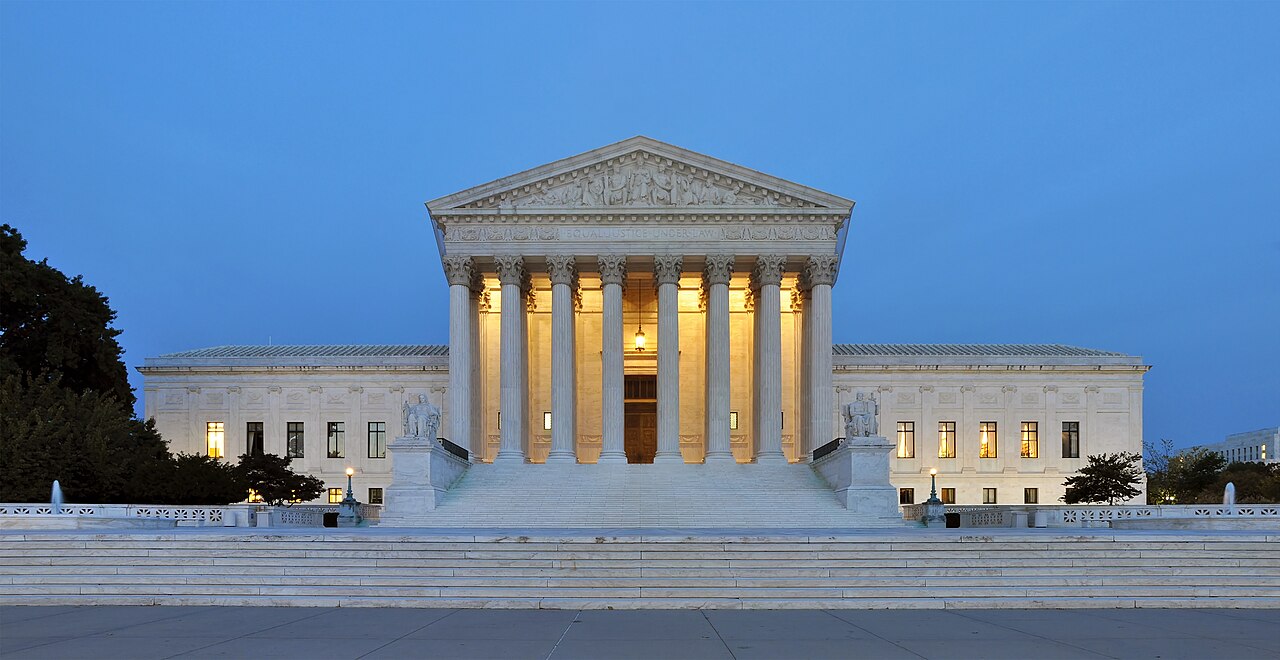
The most troubling aspect of this affair is not one company’s misconduct but the structural incentive behind mega ad platforms. When scam ads generate tens of billions in revenue while fines and takedowns cost far less, the platform has no genuine motive to eliminate the problem. Meta casts itself as the victim of “adversarial attackers,” but the 95% ban threshold and the “fines are cheaper” calculation show that at least part of the claimed technical helplessness was a business choice. Generative AI has collapsed the cost of stealing a face and cloning a voice, turning every public figure — and every ordinary user — into a potential deepfake raw-material library. When AI generation costs approach zero while fraud payoffs stay enormous, platform self-regulation alone will never fix this.
Conclusion: Consumer Self-Defense and Regulatory Teeth Are Equally Urgent
For readers, the essential self-defense rule is simple: independently verify any “celebrity-endorsed” medical product or investment offer before paying a cent — search the product name alongside “scam” or “fraud,” and confirm through the celebrity’s or institution’s official channels rather than a social media ad. Victims can report to the FBI’s Internet Crime Complaint Center (IC3). For the industry, the Cuban affair and the Rhode Island lawsuit mark a turning point: internal documents proving a platform quantified its fraud revenue and chose the status quo have shattered the “technology-neutral” defense. Governing deepfake advertising requires three tools at once — verified advertiser identity, mandatory deepfake labeling, and punitive fines tied to fraud revenue. A $16 billion scam economy will not vanish on its own; it will simply migrate to the next loosely regulated platform unless tolerating fraud is made a money-losing business.