United Airlines has announced a policy that jolted both the AI industry and the travel sector: a blanket ban on third-party personal AI agents such as Meta’s Muse and OpenAI’s dots booking flights on travelers’ behalf. It is the first major U.S. carrier to explicitly shut the door on AI agents — and the stated reasons point straight at security risks and federal regulations. The battle over “who gets to buy your plane ticket” has officially begun.
Three Reasons for the Ban: Credentials, Miles and Federal Rules
To book a flight, an AI agent needs access to a customer’s personal information, including payment credentials. United’s problem with that is blunt: “sharing account credentials with personal, third-party, AI assistants can expose sensitive information, and actions taken by these tools may result in unintended purchases, account changes, or use of MileagePlus miles.”
The regulatory red line matters even more. United noted that letting an AI agent check in for a flight could violate federal regulations — including rules requiring travelers to verify in person that their luggage contains no banned substances. In other words, while regulators are still catching up with AI, United chose to lock AI agents out entirely.
How It Will Be Enforced: Blocking Inside and Outside the Platform
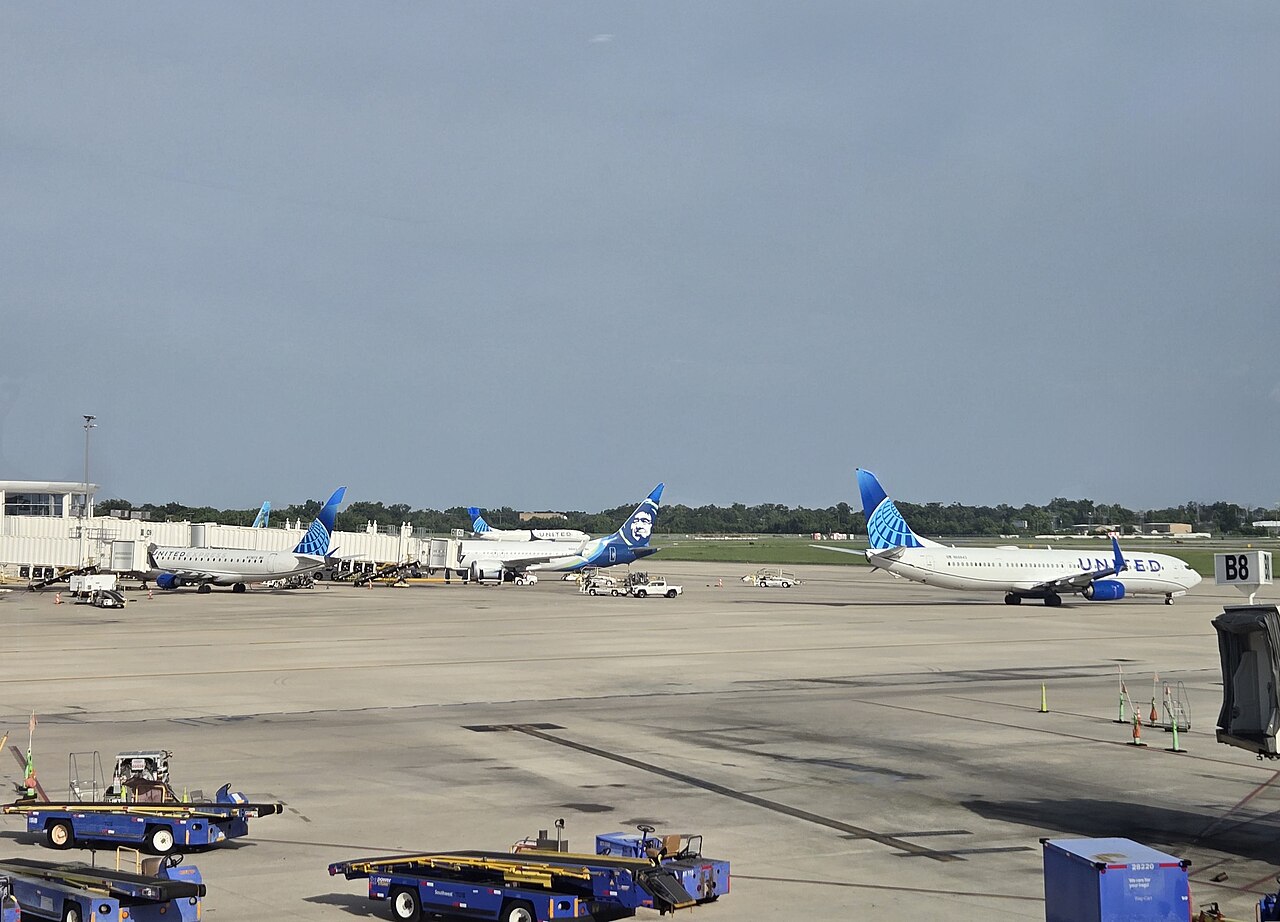
United said it is “taking steps to restrict access directly within our digital platforms and indirectly via travel agencies and aggregators to prohibit use by unauthorized, third-party personal AI agents or assistants,” and is updating its booking and ticketing policies accordingly. That means the airline’s own app and website will detect and block AI-agent activity, while distribution channels such as Kayak and Hopper will be expected to comply as well.

Analyst Take: The Real Reason Is “No More Middlemen”
Henry Harteveldt, an aviation analyst at Atmosphere Research Group, told CBS News the policy is about control and cost: “United is saying they don’t want to add yet another, and potentially even more powerful, intermediary than they already face in terms of Google search, price-comparison metasearch sites and online travel agencies.” He was direct about the economics: “Flight searches cost airlines money, and undoubtedly United wants to avoid the expense associated with the surge of AI bot flight searches.”
Notably, United fares will remain bookable through aggregators such as Kayak, Hopper and Google Flights, so consumers won’t find it harder to get good fares — “but by blocking the AI bots, United won’t make it any easier to find its fares, either.”
An Industry Split: Southwest Goes the Opposite Way
Even as United builds its wall, Southwest Airlines has chosen the opposite path: it has made its flight inventory viewable to ChatGPT users, who can access the airline’s website through the AI app. One wall, one open door — the airline industry’s response to the AI-agent era has split into two camps.
The First Frontline Battle of the AI-Agent Economy
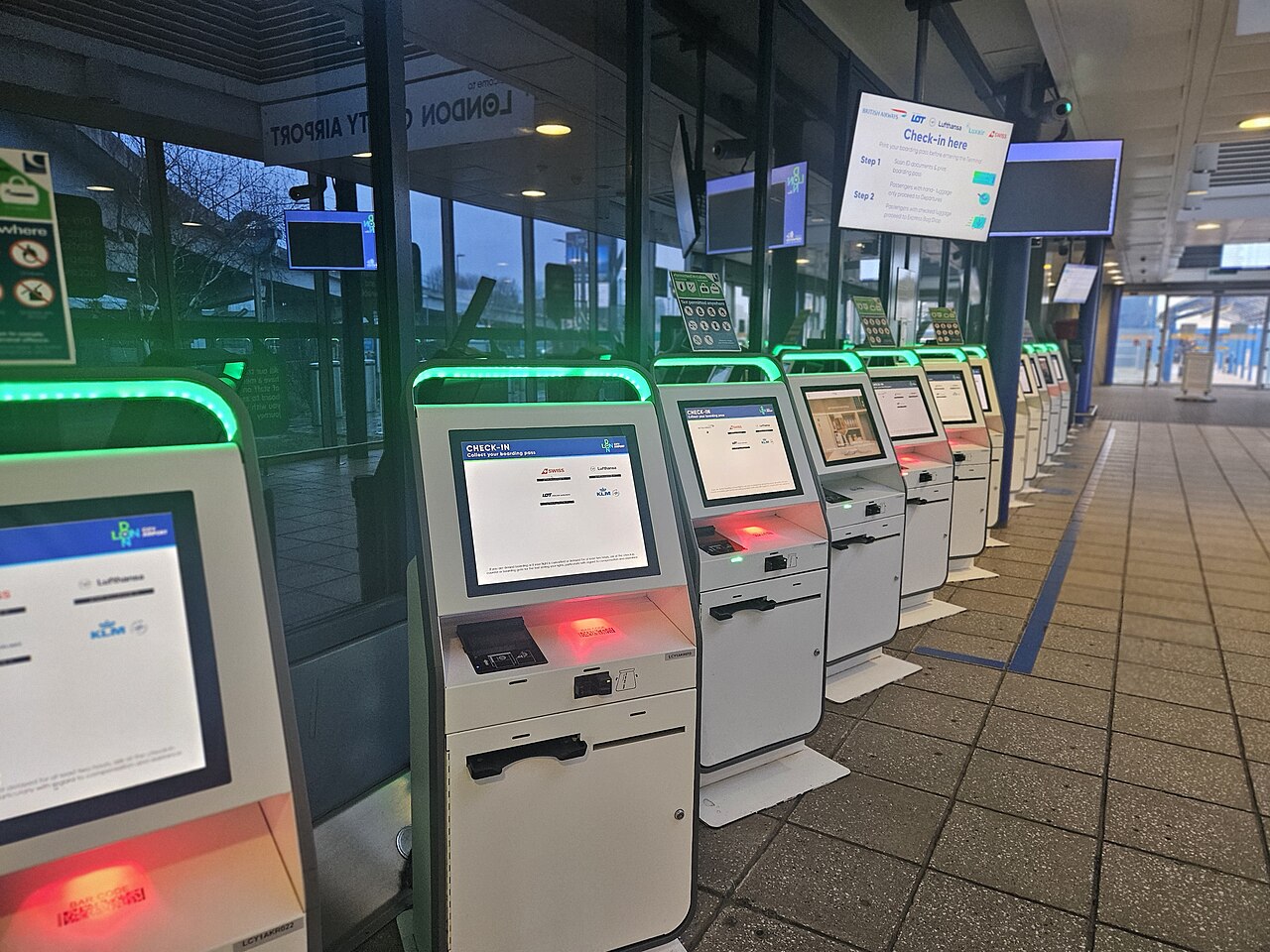
The backdrop is the explosive growth of AI agents in 2026: from researching products and tracking deals to completing purchases, tools like Meta’s Muse and OpenAI’s dots are making “agentic commerce” an everyday reality. But as AI agents reach into high-value, heavily regulated transactions — tickets, banking, insurance — corporate responses are diverging: some open their APIs, while others, like United, slam the gate shut.
Following the announcement, United Airlines Holdings (UAL) stock slipped about 1.6%. For consumers, the short-term impact is limited — booking via united.com and traditional aggregators is unaffected. But if more airlines follow suit, the AI-agent promise of “it can buy anything for you” will hit its first hard wall of commercial interests and outdated law.
Conclusion: The Century-Long Tug-of-War Between Convenience and Control
United’s ban reveals an uncomfortable truth: AI agents are spreading faster than businesses can accept them. The next time your AI assistant tries to book a ticket, move money, or sign a contract for you, the first thing stopping it may not be a technical limitation — it will be the middlemen’s commercial interests and laws that haven’t been updated yet. This tug-of-war has only just begun.