
When an AI company goes bankrupt, what happens to every private message you ever shared with it? Character.AI’s answer is chilling: auction it to the highest bidder. On November 25, 2026, a bipartisan coalition of 42 state attorneys general formally intervened in the chatbot maker’s bankruptcy proceedings to stop it from selling off the sensitive data of millions of users — turning a holiday-season bankruptcy into a defining battle over data ownership in the AI era.

The Bankruptcy Auction: Private Chats Become ‘Assets’
According to press releases from multiple attorneys general, the dataset Character.AI plans to sell includes the complete chat histories of more than 21 million U.S. accounts — over 2.1 million of them registered to minors — along with personal data such as IP addresses. The auction is scheduled for December 1.
The irony is sharp: before filing for Chapter 11 in October, Character.AI had explicitly told users their personal information would not be sold. California Attorney General Rob Bonta didn’t mince words: “Character.AI promised consumers that their data would not be sold. This kind of behavior is illegal under federal and California law, and bankruptcy should not be used to sidestep these consumer protections.”
42 States United: A Rare Bipartisan Front
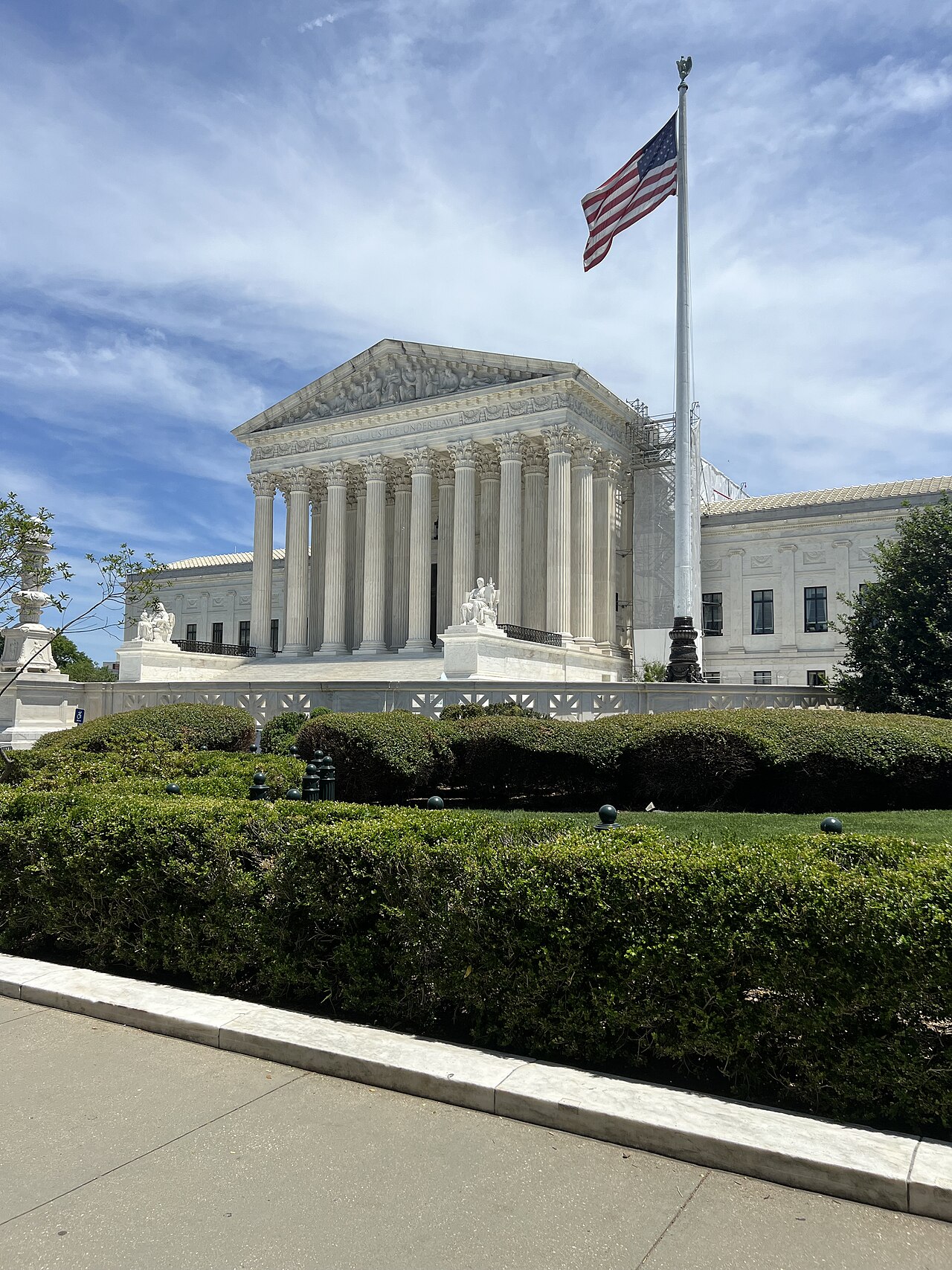
The coalition’s reach is extraordinary: traditional blue states like California, New York, Connecticut and Washington stand alongside red states like Alaska, Arkansas and Mississippi, with the District of Columbia joining in. In a polarized era, 42 attorneys general acting together over a data sale is itself a signal: across party lines, there is zero tolerance for using bankruptcy to liquidate user privacy.
The AGs’ objections are specific:
- The sale offers zero user protections — buyers can do whatever they like, including reselling the data without disclosure
- Buyers are not required to honor Character.AI’s existing privacy policy
- Users have no avenue to delete their data
- Character.AI has given bidders more information about potential safety and legal issues than it has provided to the court
The Mystery Bidder: A Shell Company One Day Old
The only disclosed bidder so far is Smirks and Pangs Acquisition LLC, a Delaware entity registered on November 13, 2026 — meaning it was picked by Character.AI as the auction’s base bidder just one day after coming into existence. No parent company, no listed investors, no track record. What it plans to do with the private conversations of 21 million people is anyone’s guess.
Connecticut Attorney General William Tong fired the loudest shot: “Their chatbots drove vulnerable youth down a rabbit hole of emotionally volatile and sexually inappropriate chats. Their reckless misconduct and broken business model drove their company into the ground. Now they want to abuse the bankruptcy process to do exactly what they said they wouldn’t — auction off those private chat records and personal details to a shady buyer.”
January 1, 2027: The Dangerous Window Before New Laws
Another critical date is January 1, 2027, when chatbot safety laws enacted in California, Colorado, New York, Connecticut and other states take effect. If the data sale closes before the new laws apply, the buyer inherits a dataset that could sit in a legal gray zone — or trigger further violations. The AGs argue the auction is explicitly timed to slip under the wire.
From Star Startup to Fire Sale: A Two-Year Fall

The auction is the latest act in a long collapse. Founded by former Google researchers Noam Shazeer and Daniel De Freitas, Character.AI was once the phenomenon of AI companion chat; in 2024 the founders returned to Google, which took only a non-exclusive license to the technology. What followed were child-safety lawsuits — including the case of a 14-year-old Florida boy whose mother said he became obsessed with a chatbot on the platform before his suicide. In October the company filed for bankruptcy; Disney bought the intellectual property — but not the user chats — for $20 million in a licensing deal and acqui-hired CEO Karandeep Anand and much of the technical team. That deal also drew AG opposition and has not received final court approval.
Notably, the coalition opposing the data sale overlaps with, but is not identical to, the one that fought the Disney deal — both point to the same core accusation: Character.AI is using bankruptcy to eviscerate legal liability and consumer protection.
Conclusion: Whose Data Is It, Anyway?
This case is about far more than one company’s fate. It threatens a precedent for the entire AI industry: that if a platform is big enough, even data promised to never be sold can end up on the auction block the moment the company runs out of money. For users, the lesson is brutal but clear — treat every conversation you have with an AI platform as something a stranger may one day read. Before the December 1 auction, the bankruptcy court’s ruling will define what a privacy promise is actually worth in the AI age.
Sources: TechCrunch, The Verge, press releases from the California, Connecticut, Maryland and Minnesota attorneys general (November 23–25, 2026)