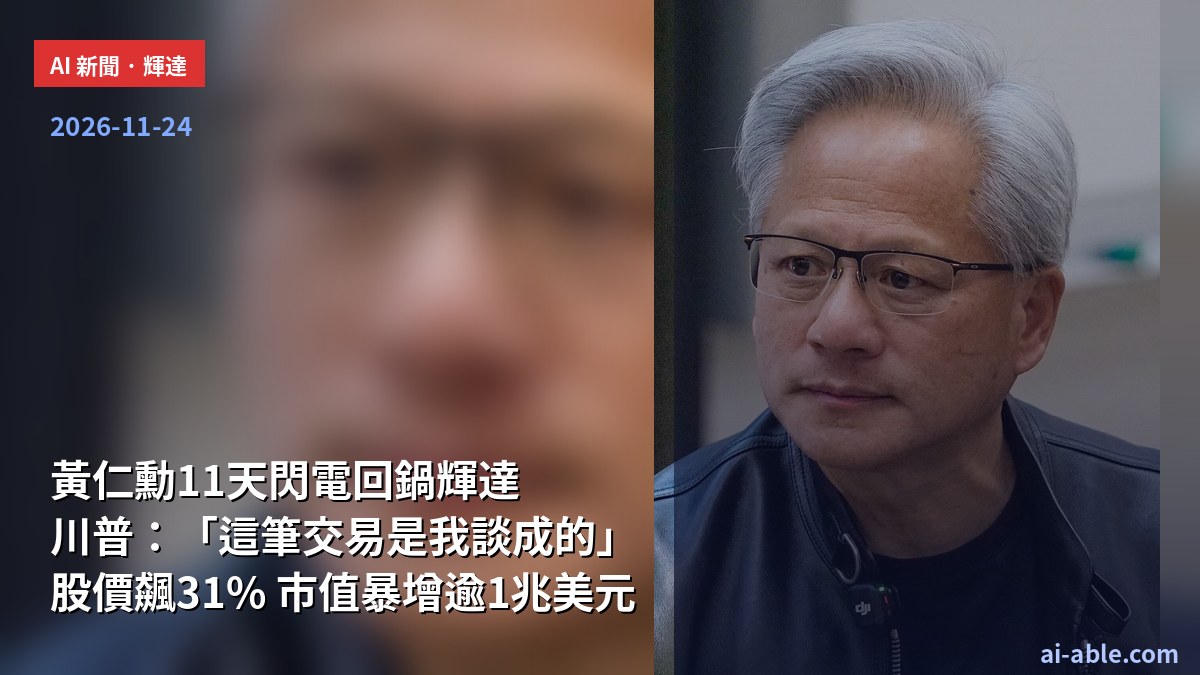
Jensen Huang is back. On the morning of November 23, Nvidia’s board of directors voted unanimously to reinstate Huang as president, chief executive officer and board director, effective immediately — just 11 days after his abrupt resignation amid a cascade of scandals. The stock jumped roughly 31.5% in a single session, adding more than $1 trillion in market value, while the Philadelphia Semiconductor Index surged 14% and all four major US indexes rallied. A comeback engineered in plain sight by President Donald Trump has become the most dramatic power reversal in the AI industry’s short history.
As we reported on November 18, Huang’s public letter offering to return was rebuffed by the board, with chair Harvey Jones telling investors on an earnings call that directors “do not intend to reinstate Jensen as CEO.” Less than a week later, the board reversed itself entirely.
The Board Changes Its Language: “Satisfied With Mr. Huang’s Candor”
In its press release, the board said it “believes Jensen is the right person to lead Nvidia” and that his reinstatement is “in the best interests of our stockholders, employees, partners, and customers,” adding that it was “satisfied with respect to Mr. Huang’s candor and ability to lead Nvidia.” That is a striking choice of words from the same board that, according to WIRED reporting days earlier, had been alarmed by Huang’s “lack of candor” and “lying.” The speed of the reversal left Wall Street analysts and governance experts flat-footed.
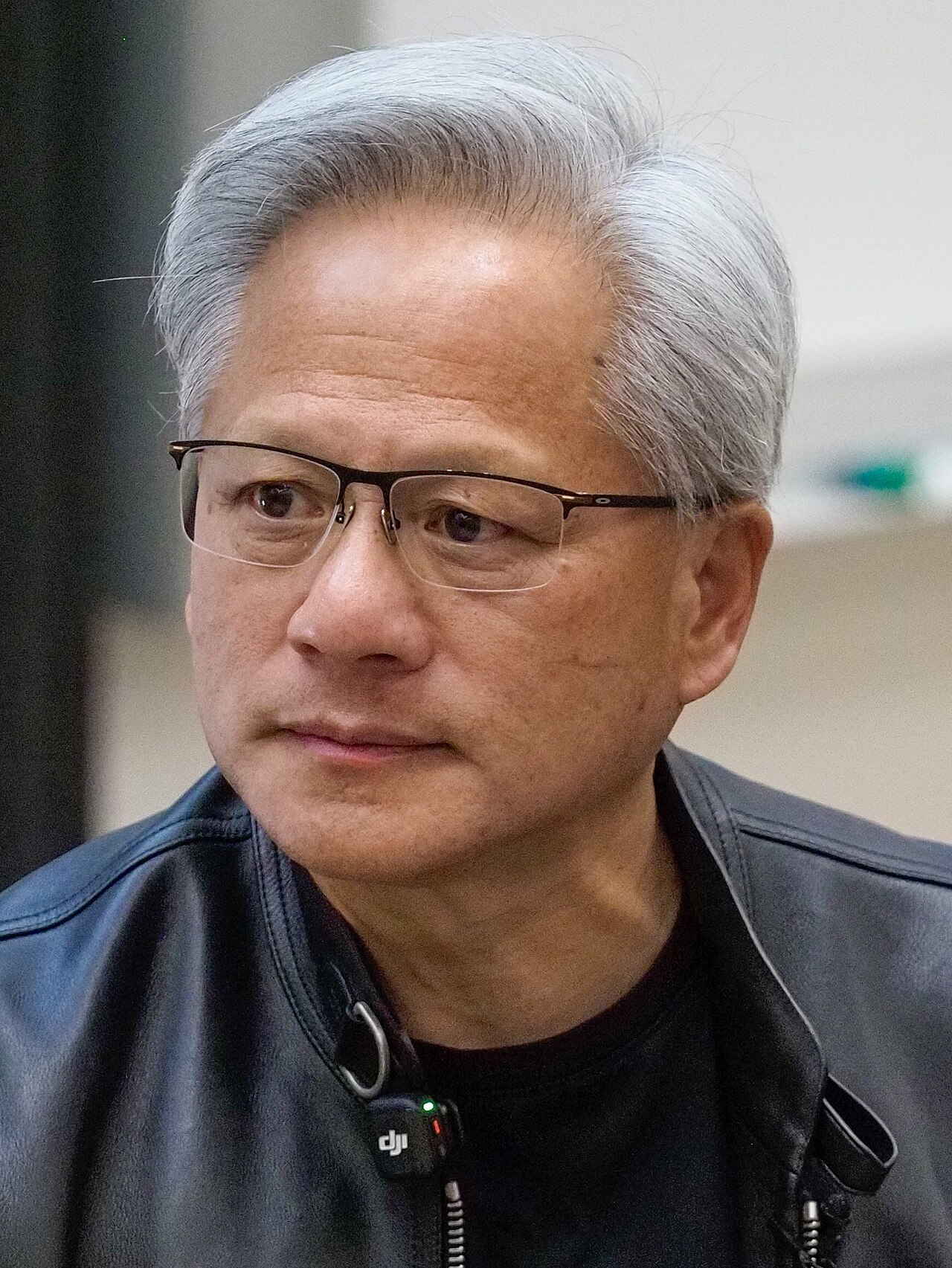
The other pivotal phrase in the announcement: the board said its decision was based in part on “input from senior levels of the United States government” assuring directors that Huang’s return “poses no national security risk.” That matters because the proximate cause of Huang’s fall was his admitted affair with a woman US intelligence officials reportedly suspect of working as a Chinese spy, alongside allegations that Nvidia subverted chip export controls. A guarantee from the White House amounts to a political shield for the board.
Trump: “I Made the Deal”
According to The New York Times and Semafor, Trump decided late last week to intervene personally, assigning Vice President JD Vance as a liaison between Huang and Nvidia’s directors, and dialing into the company’s Sunday night board meeting to argue the case directly. On Monday morning Trump posted on Truth Social that the board “has made the correct and proper decision” and confirmed that “the United States Government has no reason to believe that Jensen’s return to NVIDIA poses any risk to National Security.”
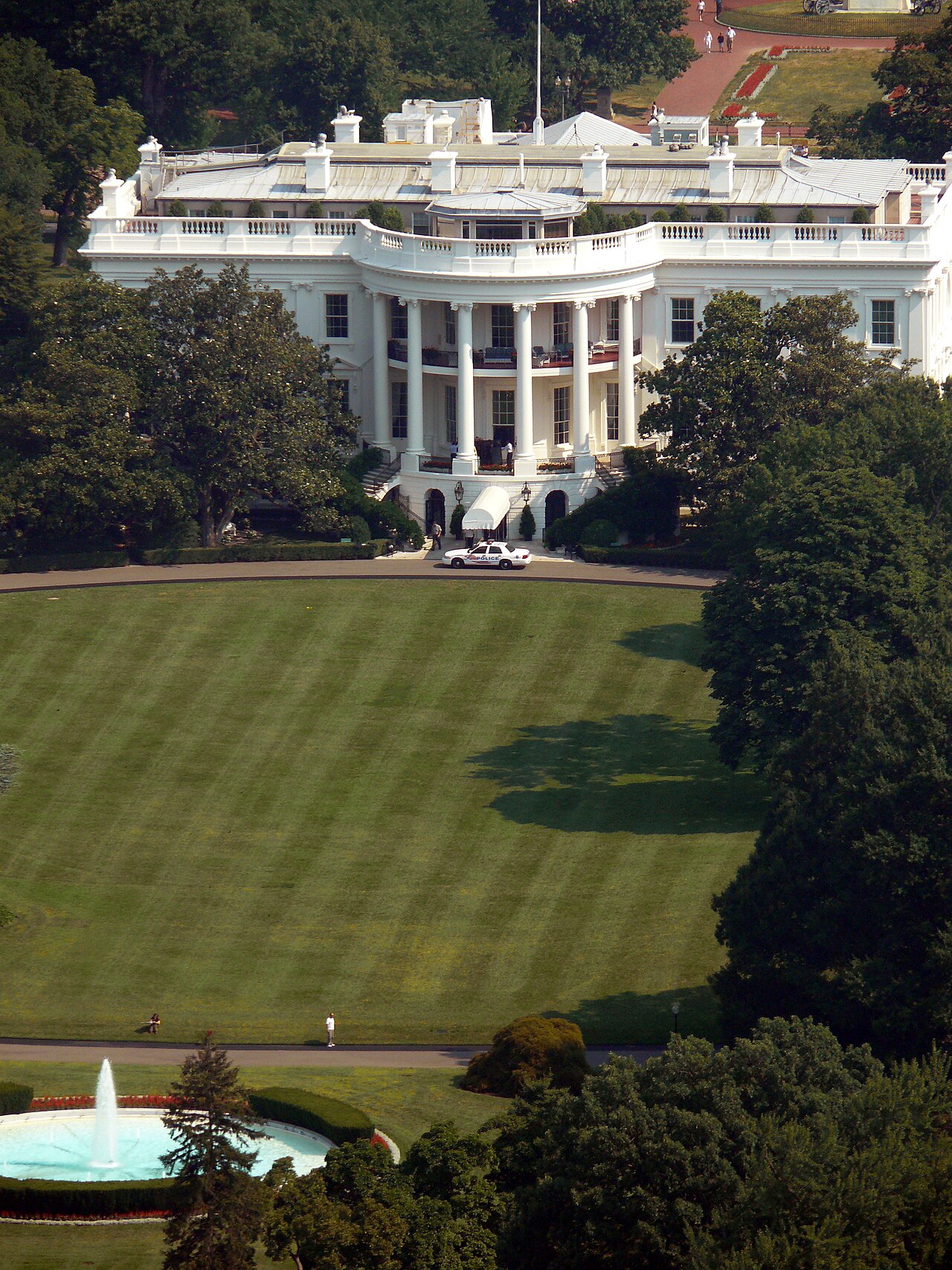
Speaking to CNBC, Trump said he had spoken with the board “directly and indirectly,” that Huang “did nothing wrong,” and that “we’ve done a very thorough investigation and the investigation showed that he had bad judgement.” He added: “You have to protect our geniuses and there aren’t enough of them.” Asked whether Nvidia’s sway over the stock market influenced his decision, Trump answered “probably so, but the bigger impact was the long term” — and told the network plainly: “I made the deal.” White House communications director Steven Cheung said in a statement that “President Trump was totally involved” in the board’s decision.
Trump later posted a doctored image on Truth Social of Huang’s head superimposed on the famous photograph of Trump raising his fist after being shot at a campaign rally, captioned “There’s nothing wrong with a comeback.” The highly personal political theater unsettled even some Republicans.
Musk: “The Mistake Has Been Corrected.” Altman: “Jensen!”
Tech leaders celebrated. Elon Musk wrote on X that “the mistake has been corrected,” having told the DealBook Summit the week before that ousting Huang was like “kicking Michael Jordan off your team when you’re on a winning streak.” OpenAI CEO Sam Altman — who lived through his own board ouster and return in 2023 — posted a single word: “Jensen!” Binance co-founder Changpeng Zhao, Epic Games CEO Tim Sweeney and former Uber CEO Travis Kalanick also voiced support, while hedge fund manager Bill Ackman declared that “the wisdom of the crowd prevails.”
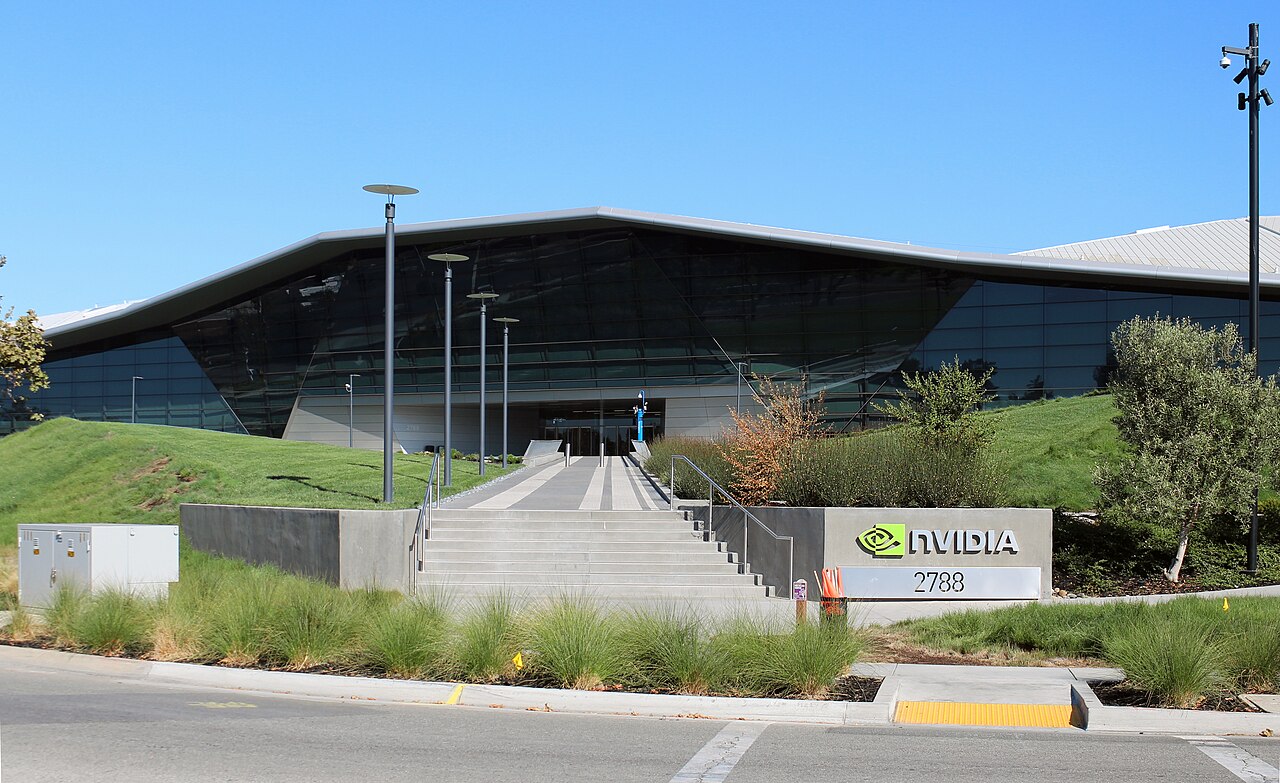
Huang’s own statement was brief: “I am honored to return to Nvidia and lead one of the most consequential technology companies in the world at the beginning of a new industrial revolution. I take this responsibility with the greatest humility and renewed commitment.” Ars Technica reported that he set up a “war room” shortly after resigning to plot his return; employees left more than 1,600 comments on an internal suggestion-box post backing him, and a public petition gathered over 200,000 signatures.
More Than $1 Trillion in a Day, and a Futures Circuit Breaker
Markets voted with real money. Nvidia closed up about 31.5%, adding more than $1 trillion in market capitalization — a gain WIRED noted was on track to break Microsoft’s record for the largest single-day increase in market value by hundreds of billions of dollars. Nasdaq-100 futures rose so sharply early Monday that trading was briefly halted by a volatility circuit breaker. The Philadelphia Semiconductor Index jumped 14%, and Japan’s Nikkei 225 climbed roughly 4% on Tuesday.
Context matters, though: Nvidia had lost nearly $2.2 trillion in value over the previous month, and the Nasdaq Composite fell 10% last week — its worst week since March 2020. Monday’s rally only recouped part of that ground, and whether the AI selloff is truly over remains an open question.
The Comeback Is Not the Ending: Hearings and Investigations Loom
Hours after the reinstatement, the Senate Banking Committee — which has jurisdiction over export control policy — posted notice that Huang will testify at a public hearing on December 3. He had already agreed to appear before the House Foreign Affairs Committee, the Select Committee on the Chinese Communist Party and the House Intelligence Committee on December 1. The Wall Street Journal has reported an SEC probe into Nvidia, multiple government agencies are investigating national security, accounting and governance questions, and the board’s own investigation into Huang’s conduct has not published conclusions.
Whether the White House’s security guarantee cools those inquiries remains to be seen. Reuters reported that one reason Trump backed Huang is Nvidia’s strategic role in counterbalancing China’s AI ambitions and championing open-weight models. But with Democrats holding a congressional majority after the midterms, lawmakers say they intend to scrutinize both Nvidia and the administration’s role in the affair — The Verge ran an opinion piece titled “Welcome to elite impunity, Jensen Huang.”
Conclusion: The Risk of a Market Hanging on One Person
Huang’s return steadies sentiment and Nvidia’s gravitational pull on the AI ecosystem for now, but it exposes a deeper problem: when the fate of an entire industry rests on one company — and one man — board independence, national security vetting and corporate governance can all be overturned within 11 days by political power and market pressure. For investors, the trio of congressional hearings in early December is the next key risk point; for the AI industry, a Nvidia that is “too big to fail” is the clearest argument yet for diversifying compute and supply chains.
Sources: TechCrunch, Ars Technica, WIRED, The Verge, Semafor, CNBC, Economic Daily News, CNA/Anue (November 23–24, 2026)