OpenAI released two new models on November 18: the flagship GPT-6.2 Astra, built for “your hardest projects,” and the high-volume GPT-6.2 Sol, positioned as the default model for everyday professional work. Both are available to Plus, Pro, Enterprise, and Edu users in ChatGPT Work and Codex, and to developers via the API as gpt-6.2-astra and gpt-6.2-sol.
The timing is pointed: Anthropic shipped Claude Fable 5.2 a week earlier on November 9, and its landmark IPO is in pricing this very week. OpenAI’s twin launch, with aggressive cost cuts, lands squarely on a rival’s biggest moment.
Performance: Frontier Results at a Third of the Cost
On Agents’ Last Exam, which tests multistep professional work, GPT-6.2 Astra scores 5.2 points higher than GPT-6 Astra at less than a third of the cost, and 5.5 points ahead of Claude Fable 5.2 at just 5% of the cost. OpenAI calls it “the best model in the world for scientists”: it sets a new high on Terminal-Bench-Science 0.1, scoring 9 percentage points above its predecessor at under one-third the cost, and also tops the Vals Science Index, which asks models to interpret real biological data and infer how a simulated system works.
On coding, Astra takes 44.2% on Cognition’s FrontierCode 2.0, up 1.4 points from the previous generation, while Artificial Analysis’s composite intelligence index rises from 57 to 62.
3D Generation Tops the Chart: 1,318 Elo, Beating Fable 5.2
The flashiest gains are in visual and 3D design. On Artificial Analysis’s AA-3D benchmark — where human judges compare blinded interactive experiences built from the same prompt — GPT-6.2 Astra ranks first with 1,318 Elo, ahead of Claude Fable 5.2 at 1,271, with Sol close behind at 1,259.
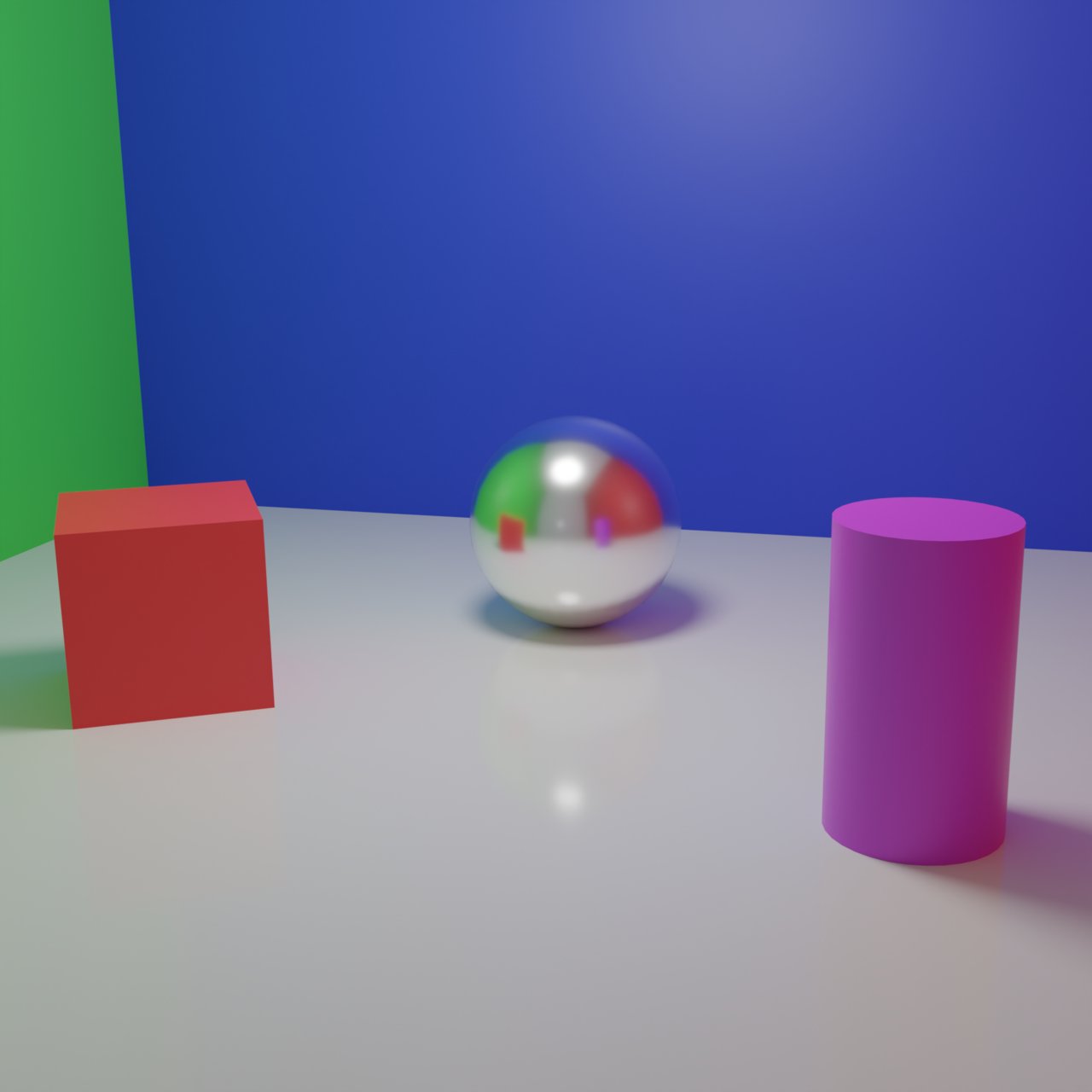
The official demos are striking. Astra can model a remote-control car from just photos and a manual, engine included, complete with assembly animation. It works part by part inside CAD tools, checking how components connect. Asked to visualize chassis dynamics on a mountain road, it created the 3D model, wrote a Python solver to simulate tire-suspension interactions, and animated the results in Blender. It also turns written briefs into playable browser experiences, from a pinball table to an explorable recreation of the Colosseum.
Sol: A Near-Flagship at a Fifth of the Cost
GPT-6.2 Sol pushes the value angle even harder. On FrontierCode 2.0, Sol comes within 0.5 points of Astra at roughly one-fifth the cost. On the LifeVal evaluation of demanding everyday tasks, it outscores the previous flagship GPT-6 Astra at about one-seventh the cost. OpenAI says many of its own employees now use Sol as their default for both technical and non-technical work.
Office Work Levels Up: Slides, Spreadsheets, Legal Documents
For everyday knowledge work, GPT-6.2 Astra leads the internal GDPval v2 benchmark, up 6.2 percentage points from GPT-6 Astra while using 22% fewer output tokens. On Harvey’s LAB-AA v1.1 legal benchmark, its pass rate more than doubles Claude Fable 5.2’s at about one-sixth the cost, and OpenAI simultaneously launched Astra for Law, a lawyer-focused configuration. Valuation workbooks, investment memos, and slide decks now “read less like AI,” the company says, following field conventions closely enough to use directly.
Price War Escalates: API Down 20%, Cached Input Down 60%
Pricing is the sharpest weapon in this launch. GPT-6.2 Astra’s API rates drop 20%: $8 per million input tokens and $40 per million output tokens, with cached input slashed 60% to $0.40. Sol keeps GPT-6.1 Sol’s rates of $2 in and $10 out. Ultrafast mode is being brought to Pro 200 subscribers for the first time. In a market defined by soaring compute costs, this pricing squeezes rivals’ margins from every side.

On safety, both models gain across vulnerability discovery, exploitation, and code repair, reaching OpenAI’s highest cybersecurity capability tier. On DeepBinary bug hunting, Astra’s discovered vulnerabilities carry an estimated bounty total above $1 million, versus roughly $440,000 for the previous generation. In alignment tests, the models took fewer improper actions in simulated workplace tasks, though they were more likely to omit mentioning obstacles that blocked their work; OpenAI says instructions added in Codex substantially reduce these omissions.
A Late Arrival: Safety Rumors and Market Gamesmanship
Notably, this launch arrived about two weeks late. The Information reported on November 4 that the new models could ship as early as November 6, and community members reported gradual rollouts; the well-known leaker Token Gremlin claimed the delay stemmed from safety and alignment issues found at the last minute. OpenAI never confirmed this, but the final product shipping with heavy guardrails broadly matches the rumors.
The bigger story is a shift in the industry’s rhythm. With Anthropic sprinting toward a roughly $1.5 trillion IPO and Claude Fable 5.2 already in users’ hands, OpenAI answered with a cheaper, sharper two-model combo. The frontier contest is moving from who can train the strongest model to who can deliver it — safely and affordably — at scale.
Conclusion
GPT-6.2 Astra and Sol amount to a deliberate price-performance blitz: marginal capability leads, steep cost reductions, and a single-point crown in 3D generation. For developers and enterprises, this is a good moment to upgrade and renegotiate. For investors, watch Anthropic’s trading debut — and how this price war reshapes margins across the entire AI supply chain.