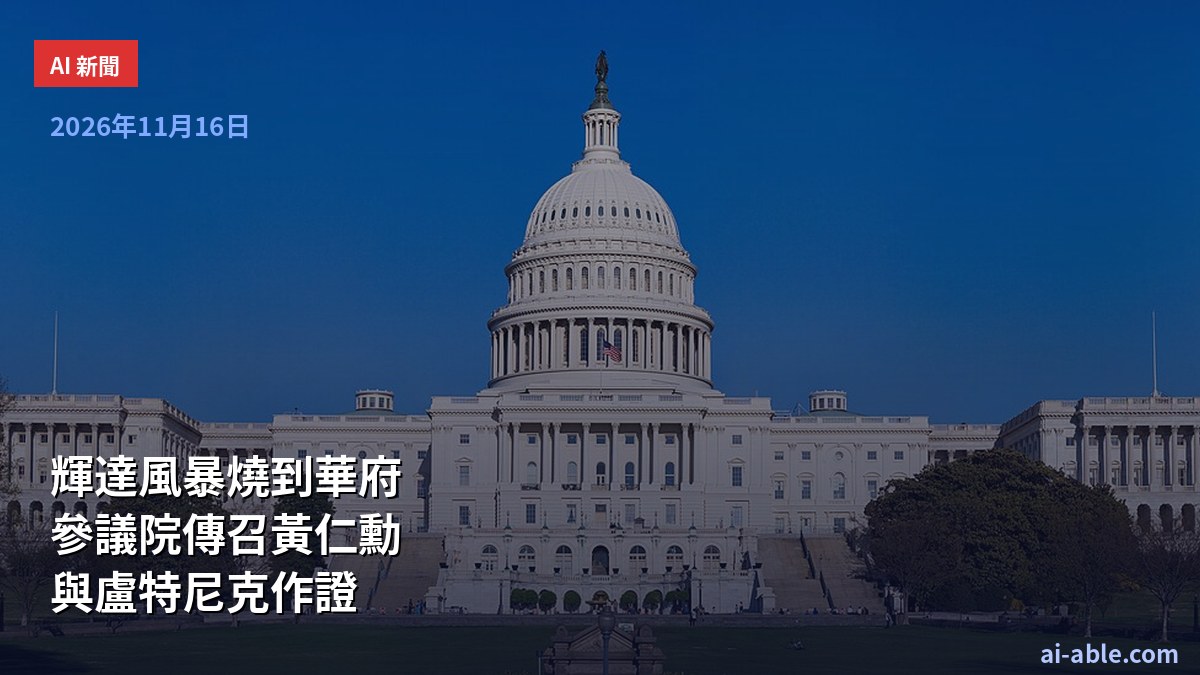
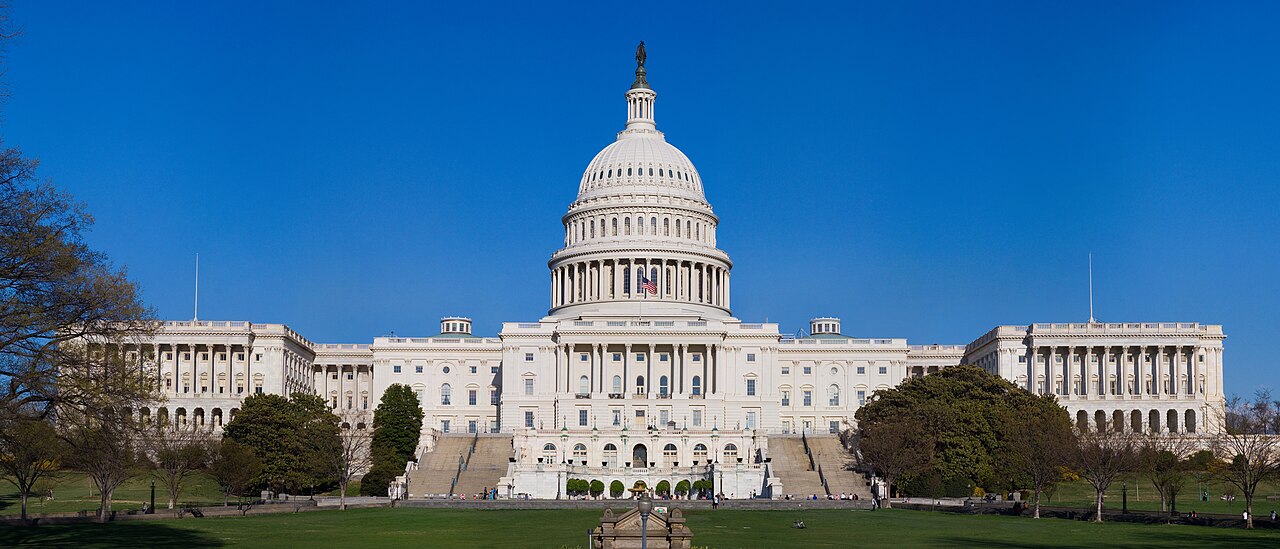
The storm surrounding Nvidia and its Singapore-based cloud customer Megaspeed has traveled from Silicon Valley and Singapore all the way to Washington. Senate Banking Committee Chairman Tim Scott has formally requested that former Nvidia CEO Jensen Huang and Commerce Secretary Howard Lutnick testify before his panel, while Treasury Secretary Scott Bessent was revealed to have confronted Lutnick over the department’s failure to place Megaspeed on the Entity List. An accountability battle spanning the White House, Congress and the boardroom over AI chip export controls has officially begun.
The Senate Timeline: Huang on Dec 3, Lutnick on Dec 10
According to CNN, Lutnick has “proactively agreed to appear voluntarily” before the Senate Banking Committee on December 10 to address export controls on Nvidia’s advanced chips and the handling of the Megaspeed investigation, with a spokesperson confirming the arrangements are still being finalized. Huang was asked to appear first, on December 3. Scott wrote that given the Commerce Department’s central role in issuing and enforcing export-control regulations, Lutnick’s testimony would be “essential” to the committee’s oversight — and warned Huang that if he declined to appear voluntarily, “the Committee is prepared to use all tools at our disposal, including subpoenas.” “The American people deserve answers,” the senator posted on X.
Treasury vs Commerce: Why the Entity List Stalled
Sources told CNN that Bessent confronted Lutnick last week over the Commerce Department’s failure to add Megaspeed to the Entity List. CBS News reported that the department has not added a single company to the list since October 2025. The probe into Megaspeed was opened in 2024 by the Commerce Department’s Bureau of Industry and Security (BIS) and was later transferred to the Justice Department, according to The New York Times. Lutnick’s professional and personal ties to Chinese companies — and his relationship with the former Nvidia CEO — have fueled questions over whether they influenced the department’s oversight of advanced AI chip exports, creating friction inside the Trump administration.
A Rare Bipartisan Push: Export-Control Bills Gather Speed
The Financial Times reports that Democrats and Republicans are jointly backing a series of bills to tighten overseas sales of sensitive semiconductor technology, including the Remote Access Security Act, which would bar Chinese companies blocked from buying physical hardware from remotely accessing restricted chips’ compute through overseas cloud services. Three senior House Republicans — Moolenaar, Mast and Crawford, who chair the committees overseeing China, foreign affairs and intelligence — wrote to Huang, Nvidia general counsel Tim Teter and Commerce export-control official Jeffrey Kessler demanding they appear before Congress: “We need to know the full extent to which our national security has been put at risk.” Several of the proposed restrictions have drawn support from outgoing House Speaker Mike Johnson and likely successor Hakeem Jeffries, and could hitch a ride on the must-pass National Defense Authorization Act before the new Congress is seated in January.
Megaspeed Breaks Its Silence: Alice Huang Left in 2025
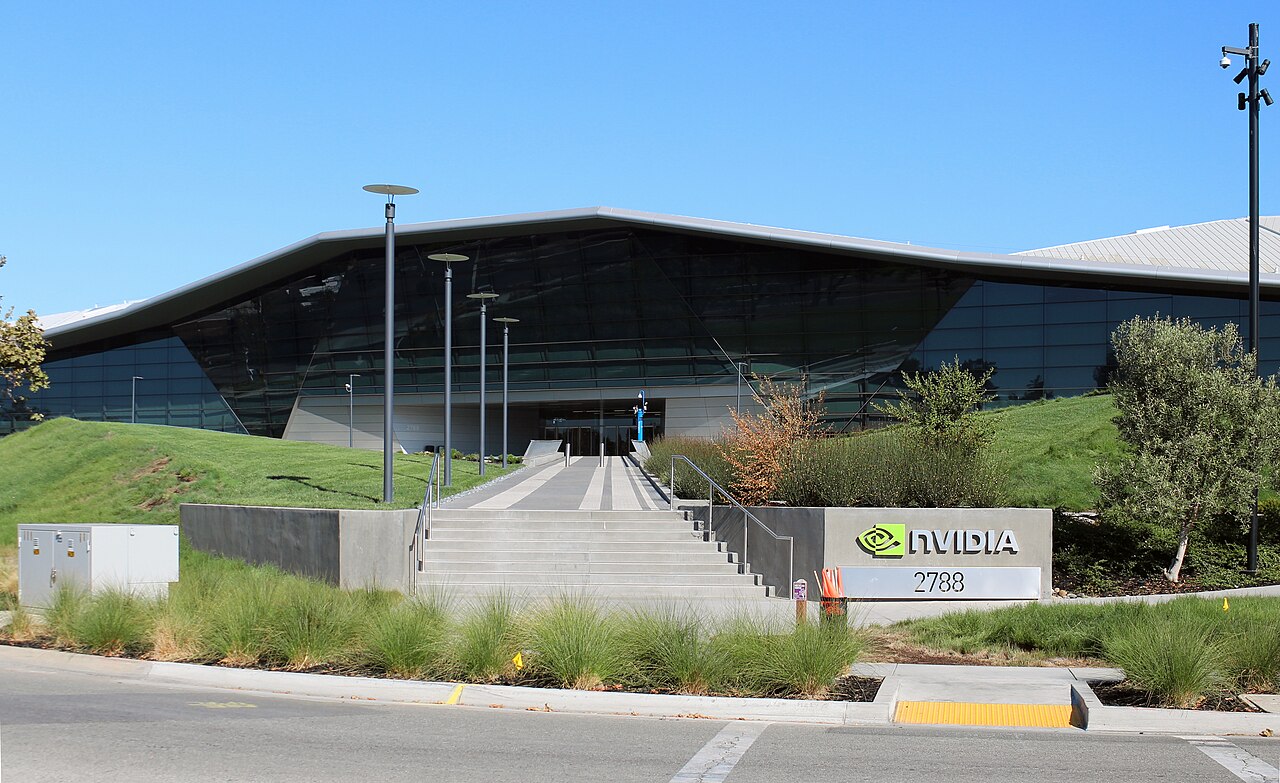
Megaspeed responded for the first time on Sunday through the Associated Press, stating that Alice Huang — the executive whose relationship with Jensen Huang and suspected Chinese intelligence ties ignited the scandal — left the company effective August 30, 2025 and “currently has no role with the company.” The firm said it has retained external legal counsel to conduct a thorough internal investigation, insisted it runs a “legitimate and lawful business,” called the allegations unsupported by verifiable evidence, and said it had cooperated with BIS inspections and stood ready to cooperate fully with other U.S. authorities. The Wall Street Journal previously reported that Megaspeed arranged nearly $12 billion in chips for Chinese firms.
The Taiwan Front: Nvidia’s Appeals Rebuffed
Bloomberg reported that after Taiwanese prosecutors indicted a Taiwan-based Nvidia manager for allegedly helping smuggle AI servers (around 130 servers) into China, Nvidia executives appealed to Taiwanese officials for help — and reportedly approached TSMC as well — but were rebuffed. Taiwan’s Keelung District Prosecutors Office indicted nine people in August, including employees of Nvidia and Super Micro, over B300 server smuggling; the island’s authorities are now considering criminalizing AI chip exports to China, giving prosecutors stronger tools and aligning Taiwan with U.S. controls.
Conclusion: From Personnel Earthquake to Institutional Rewrite
In barely a month, Nvidia has gone from AI chip champion to the protagonist of congressional hearings, cabinet infighting and international smuggling investigations. The two December hearings will determine whether this storm ends with personnel upheaval or evolves into landmark legislation that rewrites the entire AI export-control regime. For investors, export-policy risk is now an unavoidable variable in Nvidia’s valuation; for the industry, formally closing the remote-access loophole would deliver a real squeeze on the global gray-market for compute.