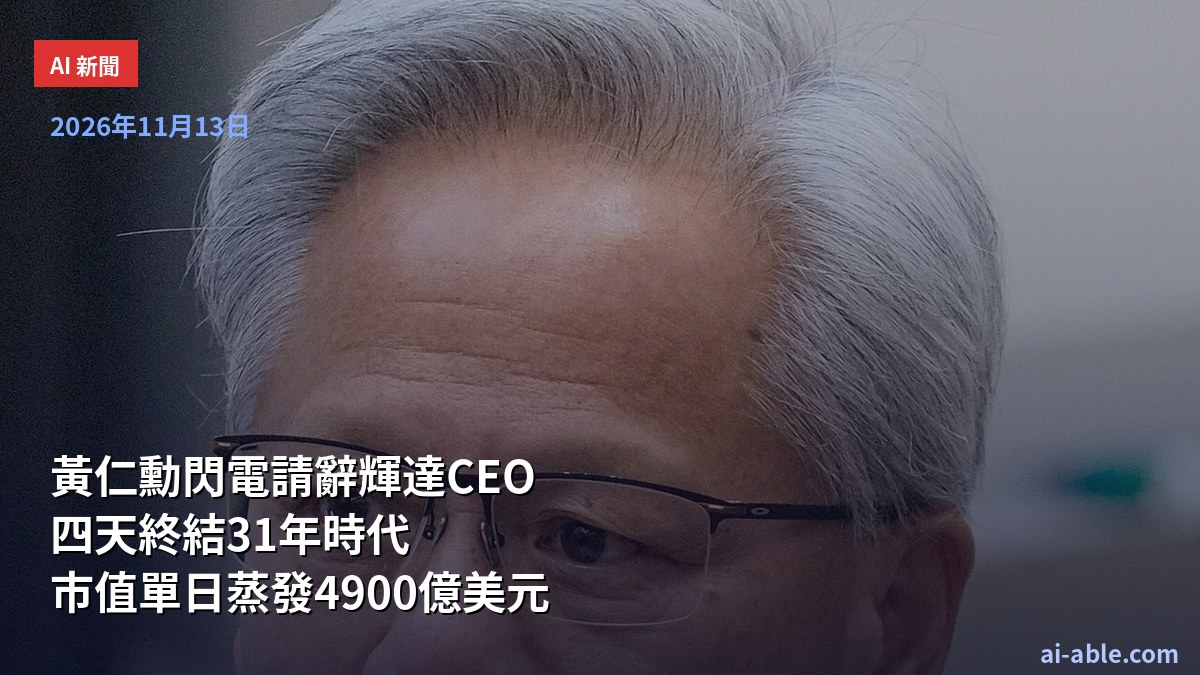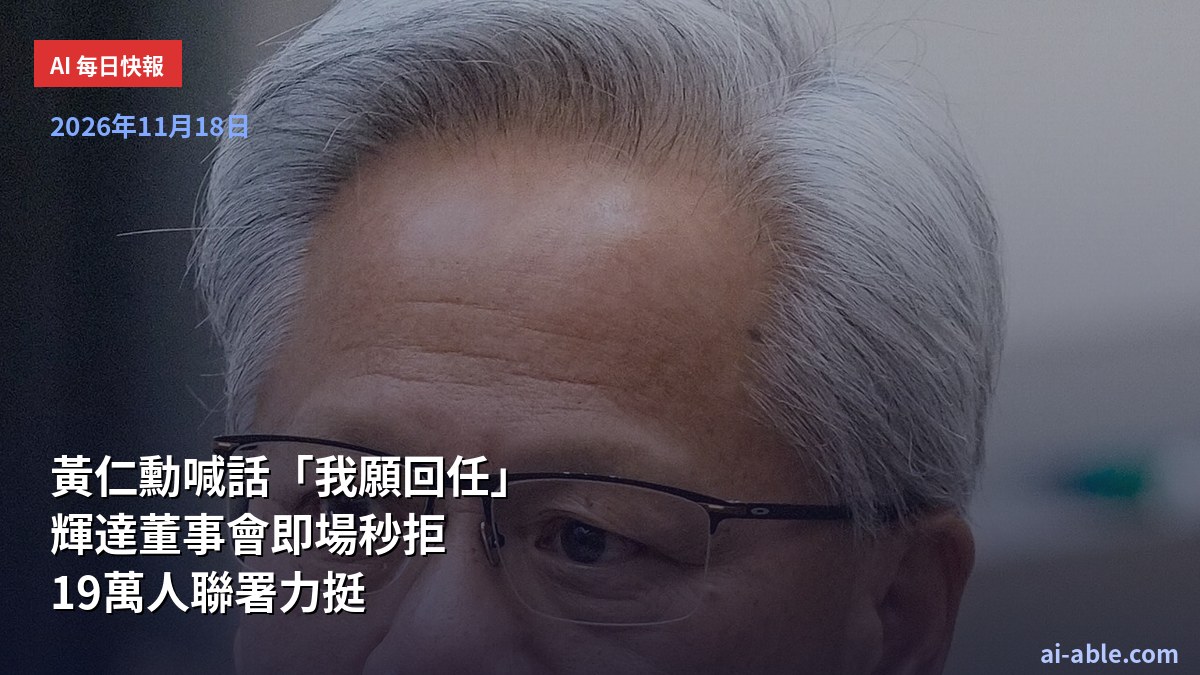
Nvidia’s month of chaos has produced its most dramatic twist yet: five days after resigning, founder Jensen Huang published his first public statement on November 17 — admitting “serious mistakes” in his personal life while explicitly offering to return as CEO “if the Board of Directors decides that my return is in the best interest of our shareholders, our employees, the company, and America.” Hours later, on the same day’s earnings call, board chairman Harvey C. Jones shut the door: the board unanimously accepted his resignation and “does not intend to reinstate Jensen as CEO.”
The Statement: Regret, Ownership, and an American-Dream Framing
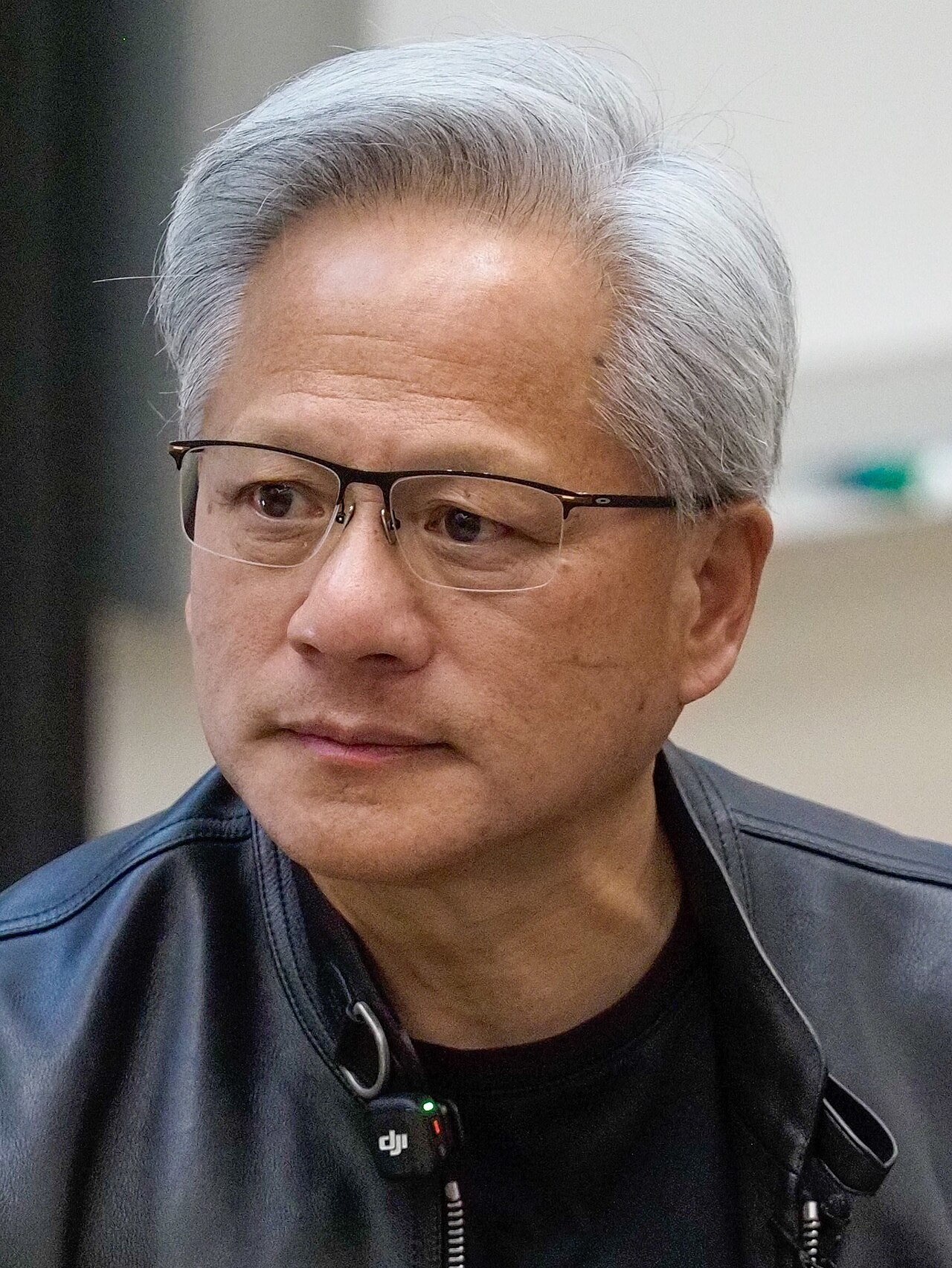
The statement, posted in full on X, was carefully constructed. Huang opened by thanking supporters, then reached for his origin story: “I came to the United States 53 years ago, and becoming an American citizen is one of the greatest gifts and proudest moments of my life.” He called Nvidia his “life’s work” and insisted that “nowhere but in America could a company like NVIDIA be possible.”
Then came the contrition: “I did not live up to the standards expected of everyone at NVIDIA, and I have made serious mistakes in my personal life. I created problems for the Board that I deeply regret. I own my mistakes completely, and I am committed to cooperating with the Board’s independent investigation.”
The pivotal moment was the comeback offer. Huang said that since his departure he had seen “an outpouring of calls from NVIDIA’s employees, investors, business partners, and customers for me to return as CEO,” with many reaching out directly as the company navigates “complex technology, market, competitive, and geopolitical dynamics.” Nvidia, he wrote, is “a once-in-a-generation company” — and if the board decides his return serves shareholders, employees, the company, and America, “I would be honored to answer these calls and return as CEO.”
A 193,000-Strong Petition — Backed by Musk and Trump
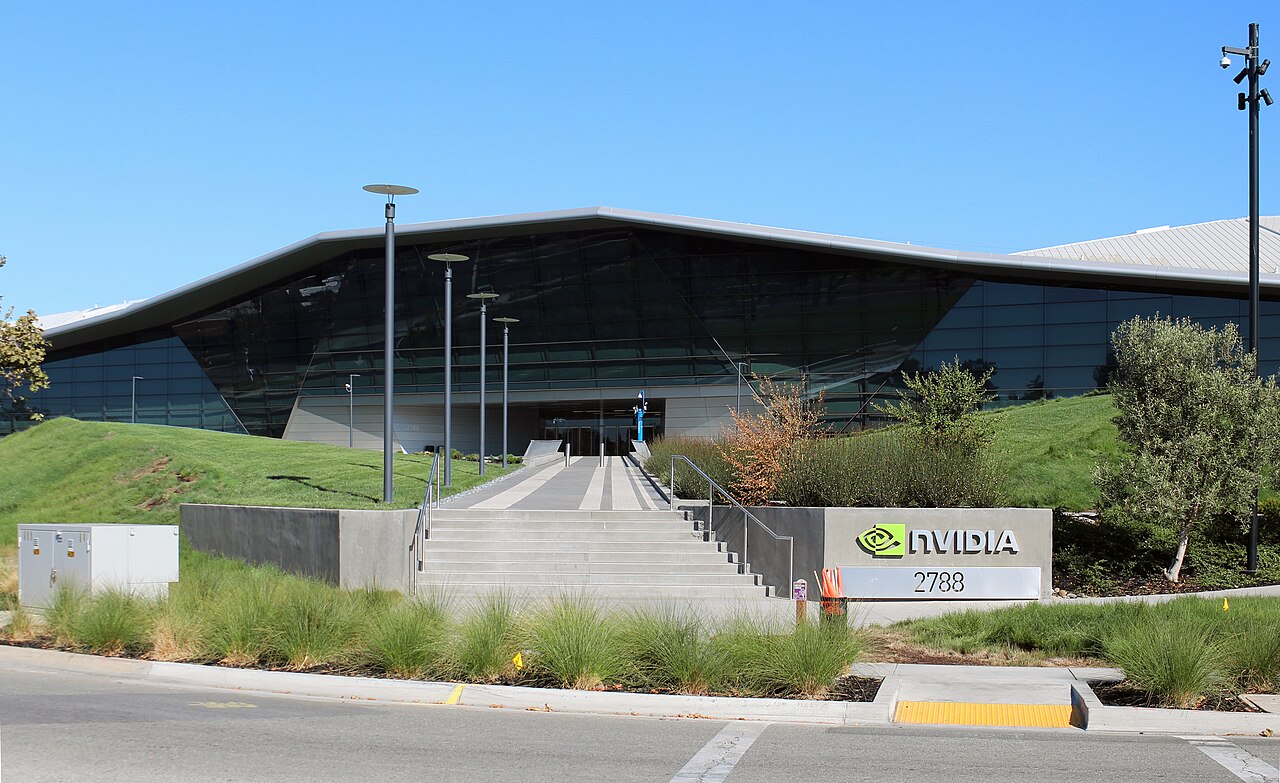
Huang is not alone in wanting Huang back. An open letter circulating this week has drawn more than 193,000 signatures demanding his return, including over 10,000 current and former Nvidia employees and tech figures such as Elon Musk, Amjad Masad, Travis Kalanick, and Epic Games CEO Tim Sweeney. Signatories argue Jensen was “removed without meaningful due process.”
Political support has followed: President Trump said yesterday that bringing Huang back “certainly isn’t a bad idea” — after previously floating former Apple CEO Tim Cook as a potential replacement.
The Board’s Answer: A Same-Day Rebuff
The hopes were formally dashed within hours. On Nvidia’s November 17 earnings call, chairman Harvey C. Jones read a prepared statement: “On November 12, our board of directors announced that after disclosure of personal behavior inconsistent with the company’s code of conduct, standards, and cultural norms, Jensen Huang voluntarily resigned his positions as president, CEO, and board member. The Nvidia board unanimously accepted his resignation and does not intend to reinstate Jensen as CEO.” Jones added that the board is evaluating both internal and external candidates for the permanent role.
CFO Colette Kress remains interim CEO. Notably, the fundamentals showed little sign of damage: Taiwan media report that fourth-quarter revenue guidance of roughly $130 billion came in above expectations, suggesting chip demand has not cooled amid the turmoil.
The Storm Continues: Probes, Testimony, Export Controls

Any comeback hinges on the investigations. According to TechCrunch and The Verge, Huang’s resignation followed reports of multiple affairs — including one with former Megaspeed executive Alice Huang, whom U.S. intelligence officials reportedly suspect of working with China’s Ministry of State Security, raising concerns the relationship may have influenced Nvidia’s China dealings. The board’s independent investigation is ongoing, the SEC has opened a probe, and Huang is scheduled to testify before Congress on December 1. In his absence, Nvidia has formed a new executive committee to oversee export-control compliance.
What to Watch Next: Three Checkpoints
This saga is far from over. Investors should track three things: Huang’s December 1 congressional testimony and whatever the investigations surface; the identity of the permanent CEO — an internal promotion versus an outsider will signal how much strategic continuity to expect; and the direction of AI chip export controls, the variable that truly drives Nvidia’s valuation. Huang’s letter may have rallied public opinion, but the board has clearly chosen process over sentiment.
Risk warning: Nvidia shares remain highly sensitive to investigation updates, congressional testimony, and export-control policy. This article is a news summary, not investment advice.