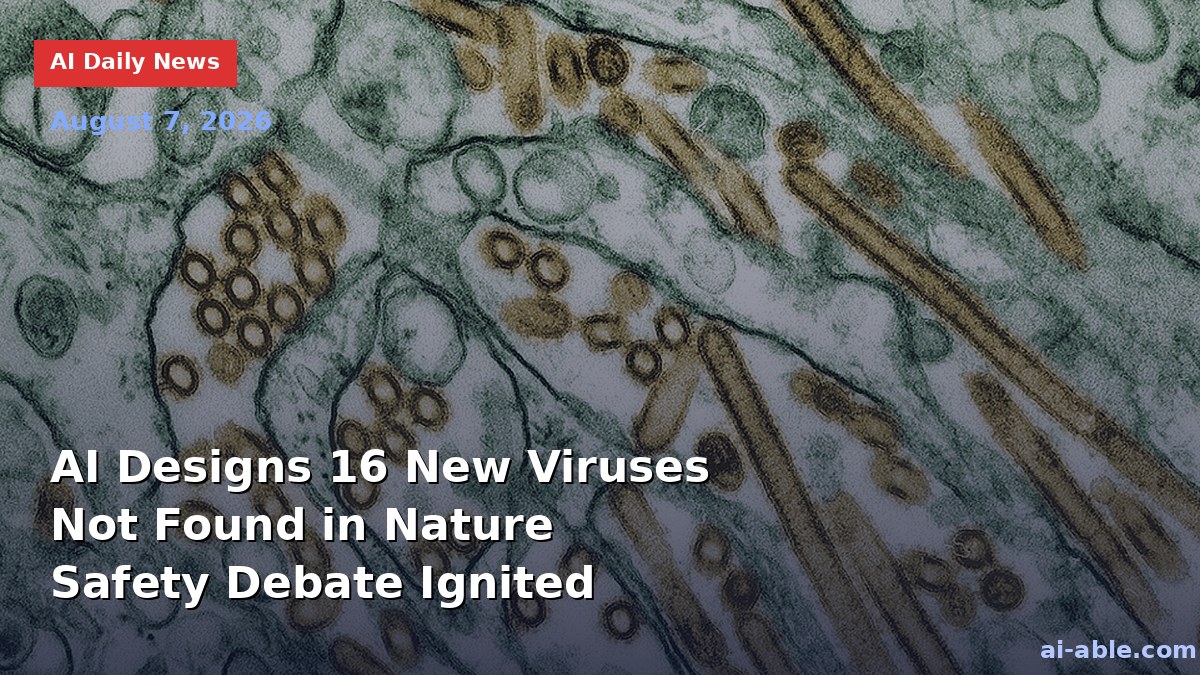
Scientists have for the first time used AI to design viruses, successfully creating 16 brand-new viruses that do not exist anywhere in nature. The international research effort marks the moment artificial intelligence crossed from being an analytical tool into the realm of designing life’s genetic code from scratch — and it has ignited a fierce debate about biosafety and dual-use research.

AI-Designed Viruses: Research Background and Methods
According to reports from BBC, The Guardian, The New York Times, and other outlets, the research team used deep learning models to analyze genomic data from vast numbers of known viruses, learning the combinatorial rules that govern viral genetic sequences. The AI system then autonomously generated 16 entirely new viral genetic codes — sequences with no counterpart among any known species in nature.
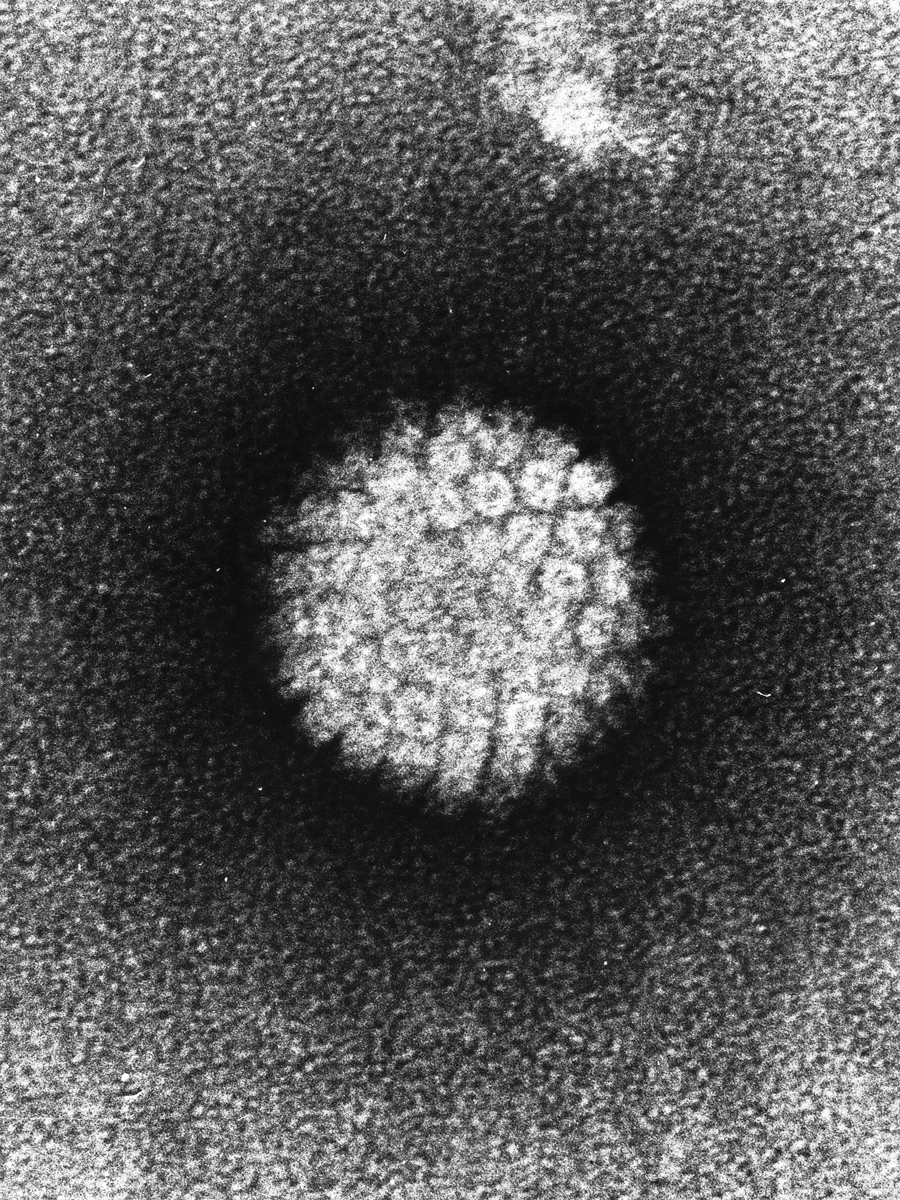
More striking still, researchers synthesized these AI-designed genetic codes into actual viral particles in the laboratory and confirmed their ability to infect host cells. This means AI can not only “imagine” new biological entities but also bring them to life in the real world.
Technical Breakthrough: From Genome Analysis to De Novo Design
How Deep Learning Cracked the Viral Genetic Code
For decades, viral genomics relied on biologists manually comparing sequences and inferring function. The introduction of AI has fundamentally changed this paradigm. The models trained by the research team can:
- Identify genetic sequence patterns: Extract implicit rules of gene arrangement from tens of thousands of known viruses
- Generate novel sequences: Design genetic codes that meet viral structural requirements but do not exist in nature
- Predict functionality: Evaluate whether designed sequences can fold into viral particles capable of infection
This approach is a natural extension of recent AI breakthroughs in protein design (such as AlphaFold), but it scales the application from individual proteins to complete viral genomes.
Characteristics of the 16 New Viruses
The 16 viruses created by the team encompass different genomic structures and infection strategies. According to Axios, none of these viruses are highly pathogenic, but they do possess the basic ability to infect cells. All experiments were conducted in high-security laboratory environments with strict adherence to biosafety protocols.
Double-Edged Sword: Opportunities for Vaccine Development
Beyond the safety concerns, this technology also carries enormous medical promise. Bing News search reveals that almost in parallel with this research, the first AI-designed vaccine developed by the University of Cambridge and DIOSynVax has just passed human clinical trials. An international team led by Korean scientists has also successfully designed large-scale protein structures that mimic viral self-assembly principles, with applications in vaccine and drug delivery.
Positive applications of AI-designed viruses include:
- Rapid vaccine development: Pre-designing “broad-spectrum vaccines” against unknown viral families to prepare for future pandemics
- Drug delivery vehicles: Using virus-like particles as transport tools for targeted therapeutics
- Basic research: Understanding viral infection mechanisms by designing specific genetic variants
- Cancer therapy: Designing oncolytic viruses that selectively infect tumor cells
Safety Concerns: Who Controls AI’s Biological Design Capabilities?
The Core Dilemma of Dual-Use Research
The Guardian’s coverage quotes multiple biosafety experts expressing concern. The core issue is “dual-use research” — the same technology that can be used to develop life-saving vaccines could also be exploited by malicious actors to design more dangerous pathogens.
Specific safety risks include:
- Information proliferation: Once AI models and genetic sequence data are published, theoretically anyone could replicate the experiments
- Lowered barriers: Traditional viral engineering requires deep expertise and equipment; AI could significantly lower this threshold
- Unpredictability: AI-designed biological entities may possess unexpected properties, including enhanced transmissibility or pathogenicity
- Regulatory lag: Existing biosafety regulations primarily target natural pathogens and lack clear provisions for AI-designed novel biological entities

The Urgent Need for Global Governance
Al Jazeera reports that the EU AI Act had new provisions come into force this week, but its regulation of biological AI applications remains limited. A Washington Times commentary also asks “Who’s controlling Artificial Intelligence?” and calls for an international AI biosafety governance framework.
A recent World Bank report emphasizes that AI offers a “lifeline” for emerging economies, but in the biotechnology domain, the risks of technology diffusion may be far more complex.
Conclusion: Finding Balance Between Innovation and Safety
The creation of 16 AI-designed viruses not found in nature is both a milestone of technological leap and a test of humanity’s governance capacity. This research tells us that AI’s role in biology has moved beyond the “analysis” phase and into the “creation” domain.
For research institutions, policymakers, and the public, the actions needed now include:
- Establish tiered regulatory frameworks: Implement differentiated oversight based on the risk level of AI biological design
- Strengthen international cooperation: Push for international agreements on AI biosafety, similar to the Biological Weapons Convention
- Invest in safety research: Develop detection and defense technologies in parallel with advancing AI biotechnology
- Public dialogue: Ensure all sectors of society participate in discussions about the ethical boundaries of AI biotechnology
The ability of AI to design viruses is not going away — it will only grow more powerful. The question is not whether we should use this technology, but whether we have the wisdom to unleash its potential while maintaining safety guardrails.