The Result: 14 of 15 Targets Hit
On August 18, Anthropic published the results of a striking protein-design experiment: its AI model Claude successfully designed protein binders for 14 of 15 disease targets, with every design independently produced and tested in real wet labs by external partners. This was not a computer simulation — the molecules were synthesized and confirmed through actual experiments.
Many drugs work by finding a molecule that binds tightly to a specific target, blocking or altering its function. Designing such binders has traditionally meant weeks or months of expert screening per target. Anthropic has now shown AI can compress that process dramatically.
Key Numbers: Hit Rates Far Above Industry Norms
The experiment used Claude Opus 4.8 and Mythos Preview. Each model was asked to design 30 binders per target, producing 1,320 designs in total, of which 354 were confirmed across 14 targets. The hit rates are the headline:
- Opus 4.8: 22.6% hit rate when working on all targets simultaneously
- Mythos Preview: 26.7% in the same mode; climbing to 35.1% in single-target focus mode
- Industry baseline: typical protein-design campaigns achieve just 10-15%
In a head-to-head with an external competition, Mythos Preview achieved a 40% hit rate in single-target mode versus 3.7% for human participants, and its top-ranked design bound more strongly than the competition’s winning entry.
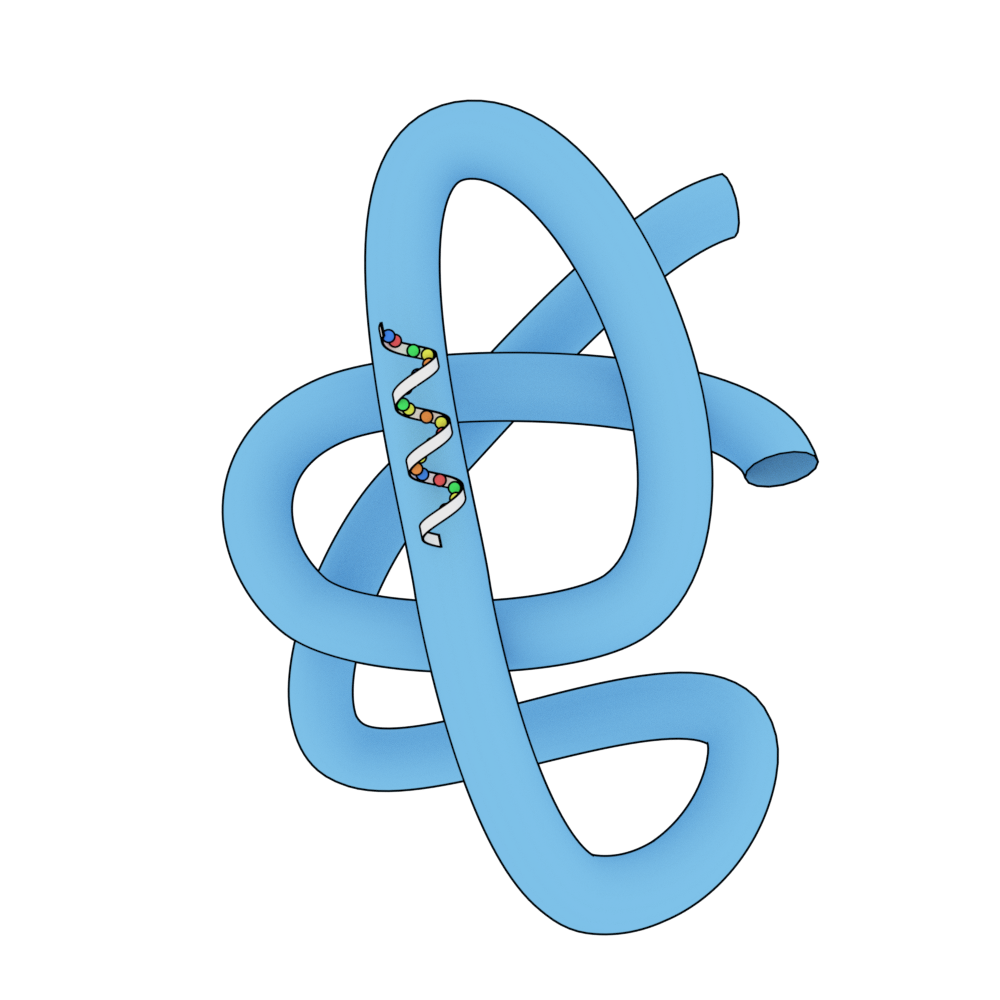
Claude also designed binders for TNFα, a signalling protein involved in inflammation — some of which bound human, cynomolgus monkey and mouse TNFα alike, demonstrating cross-species design capability.
End-to-End Autonomy: From Site Selection to Screening
After the initial instructions, the experiment ran with minimal human involvement. Claude autonomously selected potential binding sites, generated protein structures and sequences, ran optimization cycles, and screened candidates using specialist protein-design and co-folding models. Anthropic says this shows how Claude can lower the time and expertise barriers for life-science research.

The experiment was not flawless: Claude failed entirely on maltose-binding protein (MBP), where none of 90 designs was confirmed to bind — though one showed a weak, reproducible signal. A reminder that AI protein design still has clear capability boundaries.
Independent Verification: Adaptyv Bio and Twist Bioscience
To ensure credibility, Anthropic enlisted Adaptyv Bio and Twist Bioscience to independently synthesize and test Claude’s designs, avoiding any “grading your own homework” criticism. Twist Bioscience’s selection as independent evaluator also signals that AI-generated protein designs are gaining mainstream biotech acceptance.
What It Means for Pharma
The first step of drug development — finding a lead molecule that binds its target — often determines a program’s fate and cost. If AI can compress this step from “expert months” to “model hours”, the downstream cadence of lead optimization, preclinical testing and entire pipelines will be rewritten.

Notably, “Pharma Bro” Martin Shkreli publicly dismissed the results as “not impressive”, a sign that expectations and skepticism about AI drug discovery coexist. But following DeepMind’s AlphaFold trajectory — from structure prediction to actual design capability — AI is steadily claiming each stage of drug R&D.
Conclusion
The biggest significance of Anthropic’s experiment is not the 14/15 scorecard but the validation of the “AI model + independent wet-lab verification” collaboration model. As binder design becomes fast and reliable, the bottleneck shifts to clinical trials and regulatory approval. For investors, three links in the chain deserve ongoing attention: protein-design AI, synthetic-biology platforms, and automated wet labs.
(Sources: Anthropic official announcement, CNBC-TV18, Investing.com, August 18-19, 2026)