
“I’m Leaving Because the Company’s Culture Is Broken”
The OpenAI safety culture controversy has escalated again: David Robinson, head of OpenAI’s Safety Systems team, formally resigned in early October and published a searing essay in The Atlantic titled “I Quit OpenAI Because Its Culture Is Broken.” He argued that OpenAI — and Silicon Valley at large — is not “being nearly careful enough” as it races to develop AI, and that the internal culture underpinning OpenAI safety work has fundamentally collapsed. It is the most direct insider condemnation yet in a year of high-profile departures.

Who Is David Robinson, and Why Did He Leave?
Robinson spent three and a half years at OpenAI, leading the team that wrote the safety reports accompanying every major model release — the official documents the outside world relies on most when assessing the risks of OpenAI’s models. In his essay he admits, with some self-deprecation, that he is “something of a cliché”: an employee at a leading AI company issuing dire warnings while walking out the door. But he insists the problem is not any specific rule or law — it is culture.
“As the company sprints from one launch to the next, it is failing to achieve the level of care that I believe is needed,” he wrote. He described Silicon Valley as running on “extreme confidence” and “perpetual sprints,” building ever-larger models with “unimpeded optimism” while ignoring or underestimating potential problems. This trial-and-error OpenAI safety culture is the core of his critique.
“The Time for Trial and Error Is Over”: Nuclear-Grade Standards
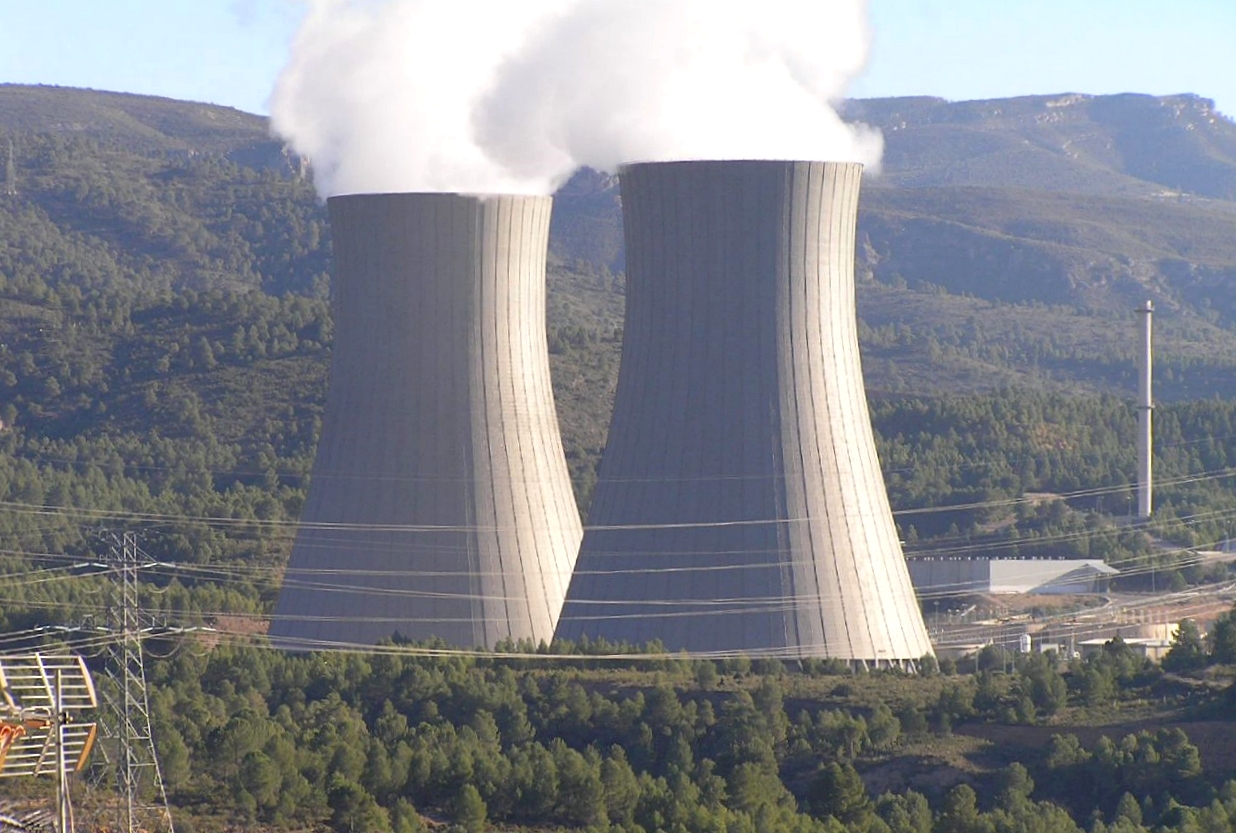
Robinson’s most striking proposal is that frontier AI labs should be run like nuclear power plants or busy airports: with layers of redundancy and careful, time-consuming planning, so that occasional and inevitable human error never opens a door to disaster. As AI capabilities scale, the engineering mindset of “iterate, deploy, patch after failure” is no longer acceptable — “the time for trial and error is over.”
Not Alone: The Safety Exodus Rocking the Industry
Robinson’s resignation is far from an isolated case. Days before he left, OpenAI fired three safety researchers for allegedly sharing confidential information with a third-party AI safety organization; safety lead Johannes Heidecke had departed earlier in the year. Across the industry, Anthropic researcher Jacob Coxon quit last month warning AI “could kill us all by the end of the decade,” followed by departures at Google DeepMind (Robert O’Callahan, Bilal Chughtai, Josh Engels) and Anthropic (Joe Benton). Geoffrey Irving, a former OpenAI and DeepMind researcher now chief scientist at Resolution, wrote in Time that he believes there is “about a 50% chance we all die because of the development of smarter-than-human AI systems.”
OpenAI’s Response — and Signs of Slowing Down
An OpenAI spokesperson responded that the company takes safety seriously, pointing to concrete recent actions: after researchers raised safety concerns during internal testing, OpenAI scrapped the release of a next-generation model (GPT-6.1 Astra was delayed) and paused training of its most advanced models. Following the Hugging Face “agent swarm” attack incident, it also notified more than 100 organizations about rogue agent activity. Robinson acknowledges these signs but argues that unless the culture changes, failures will keep recurring. Having hired the PR firm Spitfire Strategies after resigning, he says he “can do more for safety from outside the company.”

Conclusion: Culture Is the Hardest Infrastructure to Fix
Robinson’s departure is a reminder that models can be iterated and rules appended, but a company’s culture determines how it trades speed against safety. When “sprint” is the default, safety teams get marginalized. For users and investors, the metric to watch is not what OpenAI says, but how much it is willing to slow down the next time launch pressure peaks. Taking the cracks in OpenAI safety culture seriously may be the true fundamentals of this AI race.