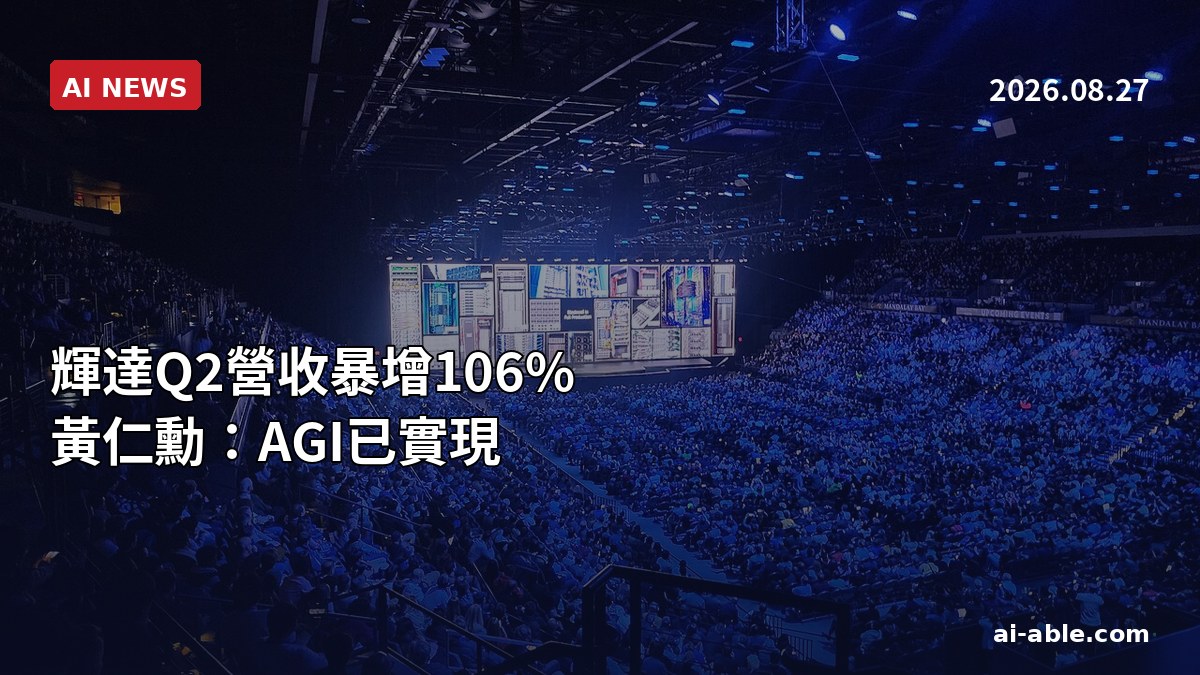
Nvidia reported fiscal Q2 2027 results after the close on August 26, and the numbers left Wall Street with little to complain about: quarterly revenue of $96.2 billion, up 106% year over year and comfortably ahead of the $92.2 billion consensus. EPS of $2.22 beat the $2.09 estimate. For the world’s most valuable public company — now above a $5 trillion market cap — the AI arms race shows no sign of cooling.
The Numbers: AI Infrastructure Demand Is Accelerating, Not Peaking
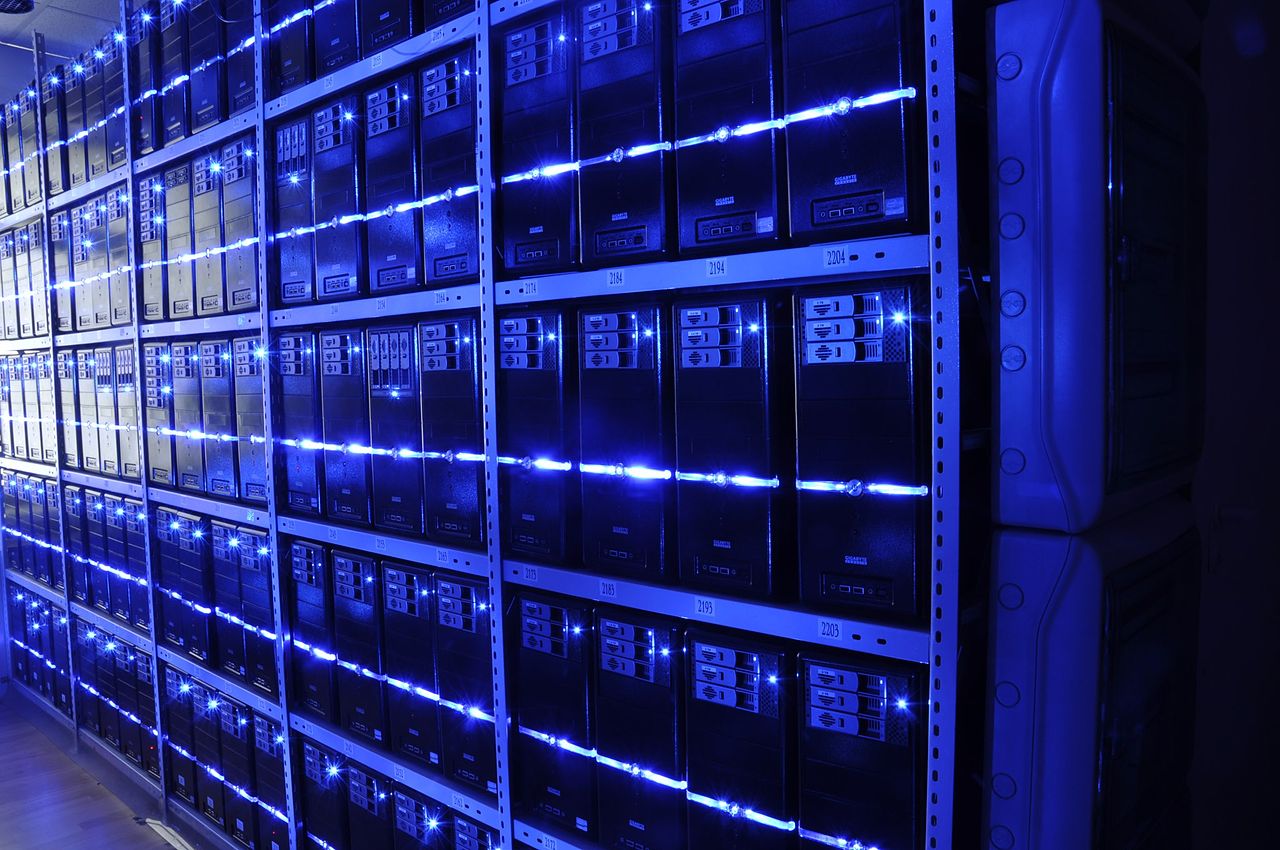
Drilling into the report, the engine remains the data center. Q2 data center revenue hit $89 billion, up 117% year over year — more than 90% of total revenue, achieved without counting any China sales. Nvidia also guided third-quarter revenue to $108 billion, well above expectations, signaling order visibility far longer than investors assumed.
Profitability was equally startling: net income of $59.69 billion for the quarter, double the prior year, with gross margins still above 70%. “Revenue doubles, profit doubles” at this scale is a textbook rarity in capital markets history.
Huang’s Bombshell: “We’ve Achieved AGI, But It Doesn’t Really Matter”
More dramatic than the numbers was Jensen Huang himself. On the earnings call and in a CNBC interview, he declared that “we’ve achieved AGI, but it doesn’t really matter” — in his framing, the milestone matters less than whether enterprises can extract productivity and profitability from AI. Delivered amid swirling concerns about AI overspending, the line was both a rebuttal to skeptics and a re-framing of the entire game.
He reiterated that AI is shifting from human-driven to agent-driven, and that future compute demand will be 100x today’s levels. That thesis underpins Nvidia’s $5 trillion valuation logic: when every unit of compute becomes billable output, the AI factory stops being a chip business and becomes an entirely new asset class.
“My Only Regret Is Not Investing Earlier”
Asked about AI investment, Huang got personal: “My only regret is that we didn’t invest earlier and more.” The founder who has run Nvidia for more than three decades compressed the brutal logic of the AI wave into one sentence — in an exponentially growing market, the cost of hesitation dwarfs the cost of mistakes.
The backdrop is the market’s ongoing “AI bubble” debate. Microsoft, Google, Meta, and Amazon are collectively pouring hundreds of billions of dollars into 2026 capex, and Nvidia is the biggest beneficiary of that wager. Huang’s “regret” framing tells the market: current spending isn’t too much — it’s far from enough.
The Dark Side: Margin Guidance and the China Question
The report wasn’t flawless. Shares slipped more than 2% after hours for two reasons. First, the company guided next quarter’s gross margin down to 74%, reflecting mix pressure as next-generation Blackwell Ultra systems ramp. Second, China remains a giant question mark — Nvidia confirmed it has delivered its first H200s to Chinese customers, but they account for less than 1% of data center revenue, with Beijing still braking on advanced AI chip purchases.
In other words, Nvidia’s growth story is built entirely on the AI infrastructure boom across the US and allied markets. China — once nearly a fifth of its data center revenue — won’t be returning anytime soon.
Conclusion: How Far Can the AI Infrastructure Leap of Faith Go?
Nvidia’s Q2 report confirms two things. First, AI compute demand is still on a steep upward curve with no near-term slowdown signal. Second, the pricing power of this race still sits with Jensen Huang — from “AGI is here” to “compute is an asset class,” he keeps re-framing what the market imagines AI to be.
For investors and enterprise decision-makers, the real question is no longer “will AI win,” but “can your AI investment convert into productivity and profit.” As Huang said, achieving AGI is only the starting point; the compounding of compute is the endgame. Until the next paradigm shift arrives, Nvidia’s engine has no reason to slow down.