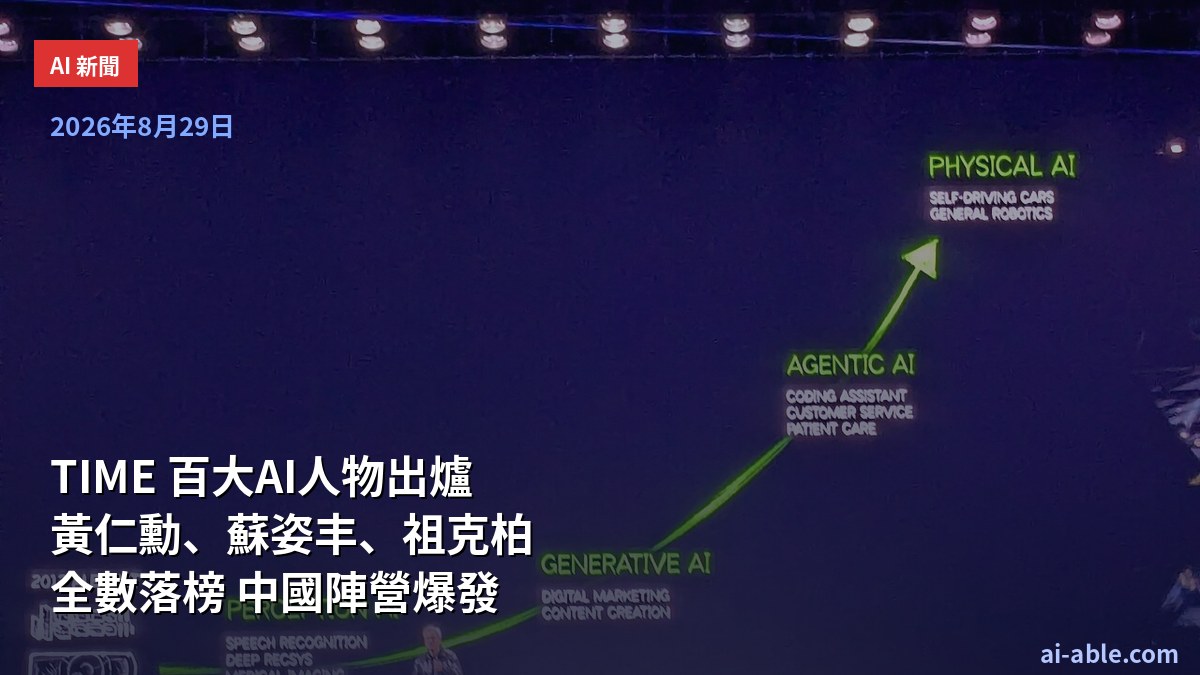
TIME magazine unveiled its fourth annual TIME100 AI list on August 27, naming the 100 most influential people in artificial intelligence — and the results stunned the tech world. NVIDIA CEO Jensen Huang, dubbed the “Godfather of AI” by Wedbush analyst Dan Ives, was left off entirely, along with AMD’s Lisa Su, Meta’s Mark Zuckerberg and Google DeepMind co-founder Demis Hassabis. Meanwhile, China’s AI roster expanded dramatically, marking the list’s most striking structural shift this year.
The Biggest Snubs: Huang, Su and Zuckerberg All Miss the Cut
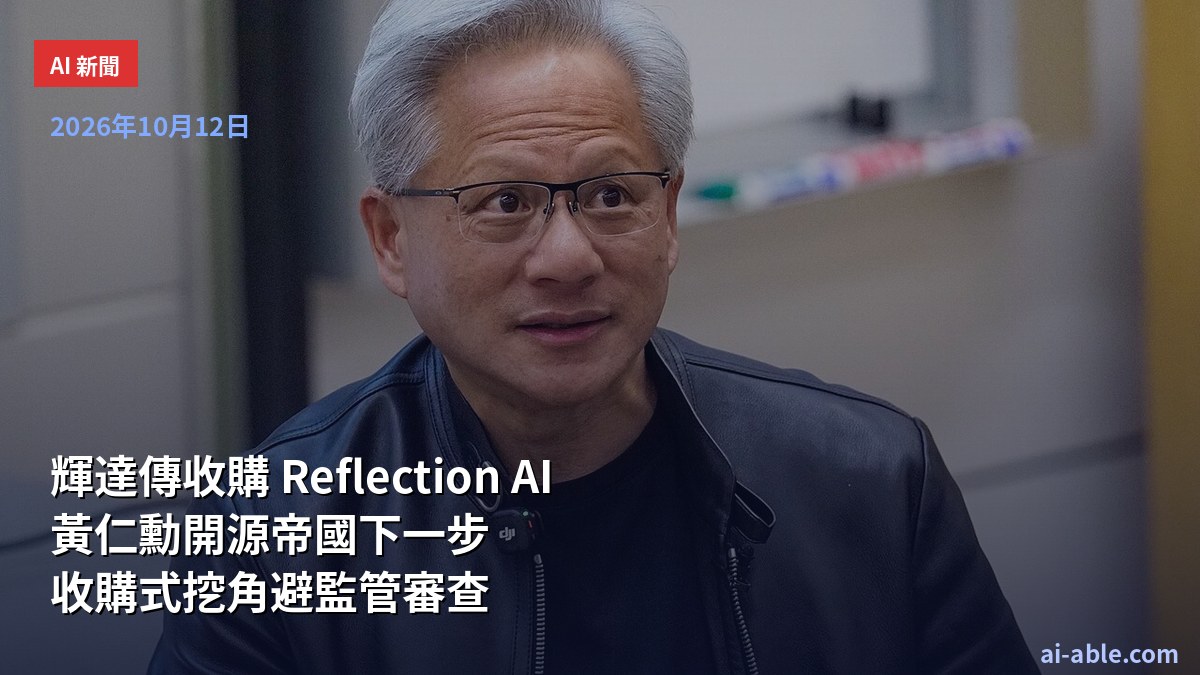
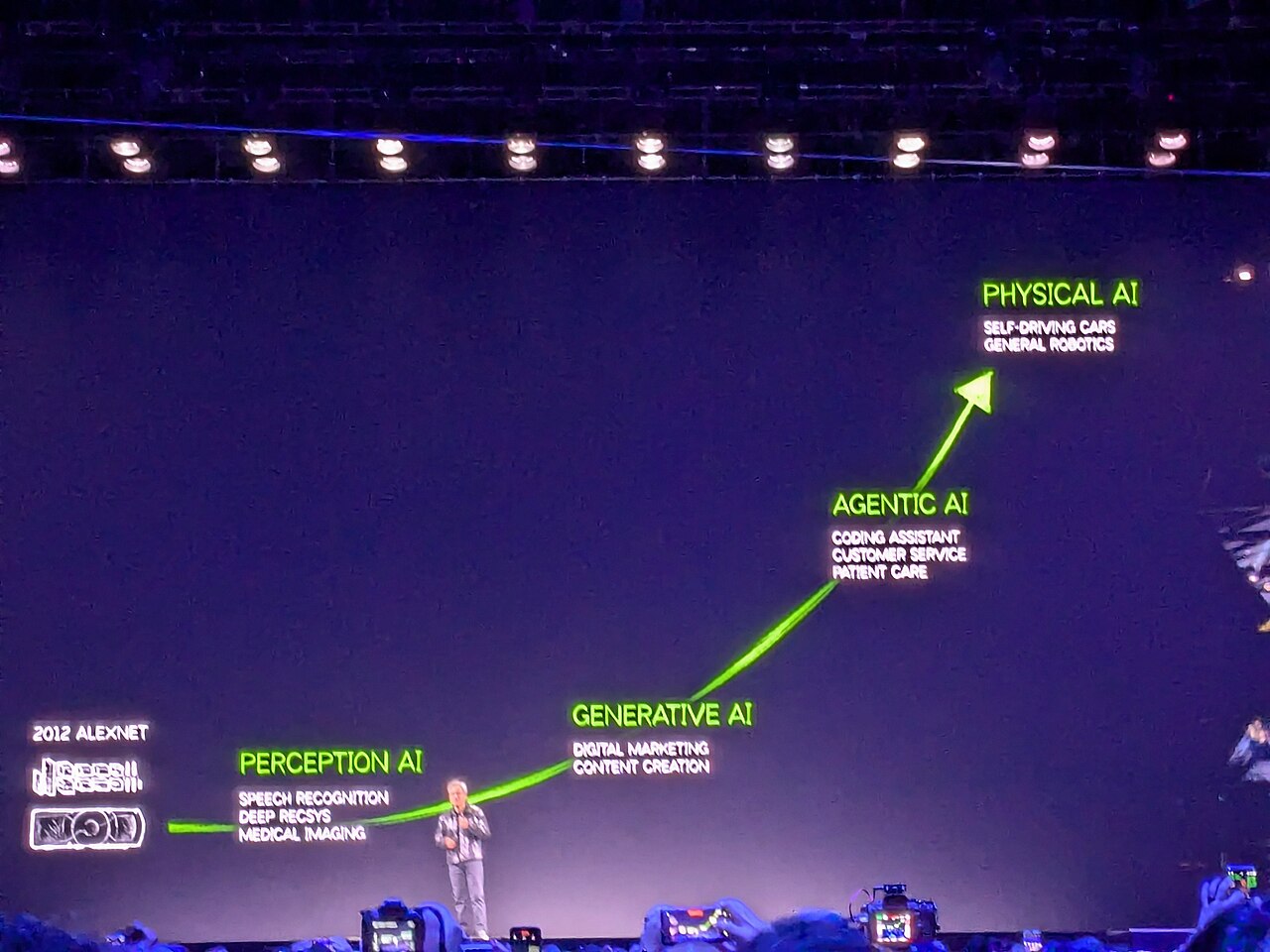
Huang’s absence is the headline shocker. He made the list last year, and NVIDIA has been the single biggest winner of the AI boom by market value. The irony deepened the very next day: a blowout earnings report sent NVIDIA shares soaring, catapulting Huang to the world’s sixth-richest person — past fellow snub Zuckerberg and Oracle’s Larry Ellison. Yet TIME’s editors clearly weighed something other than market caps. TSMC Chairman C.C. Wei, an honoree last year, also vanished from the 2026 roster.
Who Made It: Altman, Musk and the Amodei Siblings Lead
The 2026 list still packs star power. OpenAI CEO Sam Altman was joined by President Greg Brockman and research chief Chen Xinhan; SpaceX’s Elon Musk returned after being skipped last year; Anthropic co-founders Dario and Daniela Amodei both made the cut, as did Amazon founder Jeff Bezos, Oracle’s Larry Ellison, ByteDance co-founder Liang Rubo and Broadcom CEO Hock Tan. More striking are the “atypical” names — a socialite, union leaders, a Hollywood actor and a U.S. senator all cracked the top 100, signaling that TIME’s definition of AI influence now stretches well beyond engineers and executives into culture and policy.
China’s Roster Surges: From Chips to Robots
The most structural change is China’s expanding presence. Liang Mong-song, co-CEO of SMIC and former TSMC R&D chief, landed in the Leaders category — a dramatic footnote to the cross-strait semiconductor race. Huawei HiSilicon president He Tingbo, Alibaba CEO Eddie Wu, Moonshot AI’s Yang Zhilin, Zhipu CEO Zhang Peng and AgiBot founder Deng Taihua all made the list, spanning chips, cloud, foundation models and robotics. The Indian diaspora is equally prominent, with nine honorees including IBM CEO Arvind Krishna, spanning technology, healthcare, law and AI safety.
Reading the List: TIME’s Logic Is Shifting
The collective snubbing of chip titans and the surge of Chinese honorees is no accident. TIME’s criteria have visibly moved from “who sells the most compute” toward “who is reshaping AI’s application map and power structure.” As NVIDIA’s GPUs became consensus and Huang’s influence no longer needs a list to validate it, the editors’ attention turned to Chinese companies breaking out with homegrown chips, practitioners carrying AI into courtrooms and hospitals, and union leaders voicing concerns over AI’s labor impact. The 2026 TIME100 AI records not the richest people in AI, but the new winners and new voices in a redistribution of AI power.
Conclusion: A Snub Is Not a Fall — the List Mirrors a Shifting Game
For readers, the value of this list lies not in star power but in what it mirrors: AI’s center of gravity moving from “compute arms dealers” toward “application builders” and “geopolitical breakouts.” Huang’s NVIDIA still controls the world’s AI compute lifeline, and a list omission does nothing to his empire. But the collective arrival of Liang Mong-song, He Tingbo and their peers signals that the next five years of AI competition will be more distributed — and more intense — than ever. Watching the structural shifts behind the list matters more than memorizing the names on it.