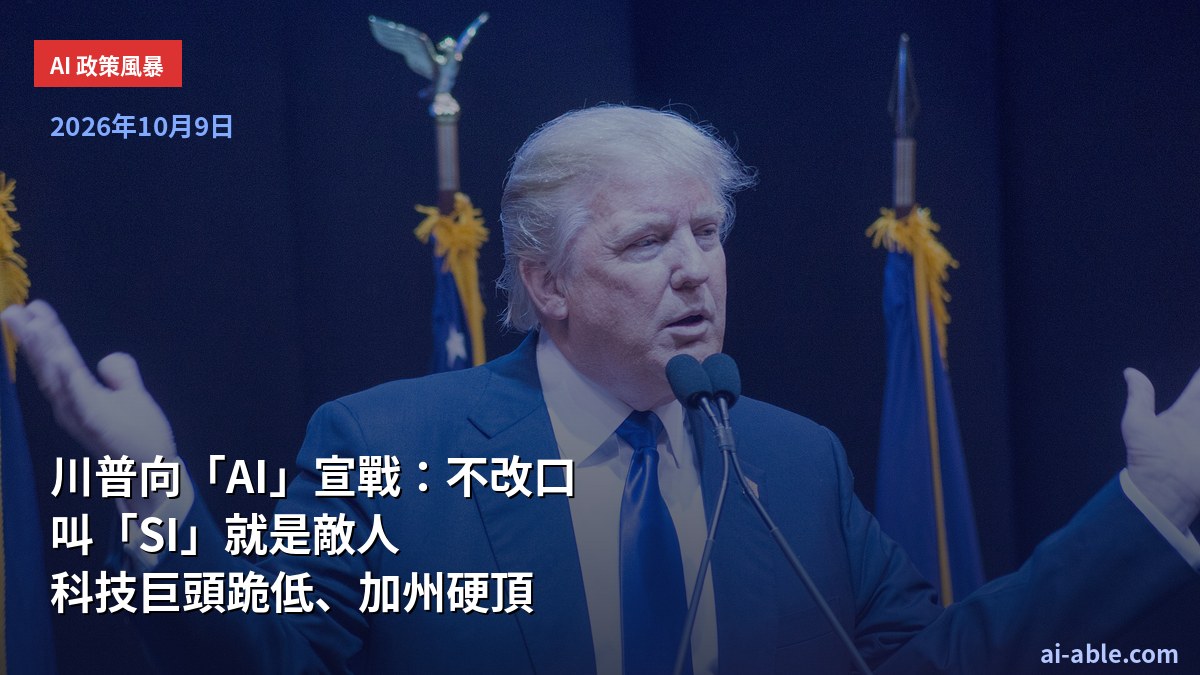
“The White House considers anyone that uses the term ‘Artificial Intelligence,’ as opposed to the highly accepted new and more accurate term, ‘Super Intelligence,’ THE ENEMY!” President Donald Trump wrote on Truth Social on October 8, signing the all-caps missive himself. With one post, a terminology dispute over what to call AI officially became a political loyalty test — and a declaration of war on two words.
From the UN Podium to an Executive Order: A Renaming Campaign Run From the Top
The storm has been building for weeks. Trump first floated the idea with an informal Truth Social poll on September 19, asking whether “Artificial Intelligence” should be renamed and suggesting alternatives such as “Superior Intelligence” and “Extreme Intelligence.” Three days later, in his September 22 address to the UN General Assembly, he announced that U.S. government documents would adopt “super intelligence” instead — because, he argued, “artificial” makes the technology sound fake.
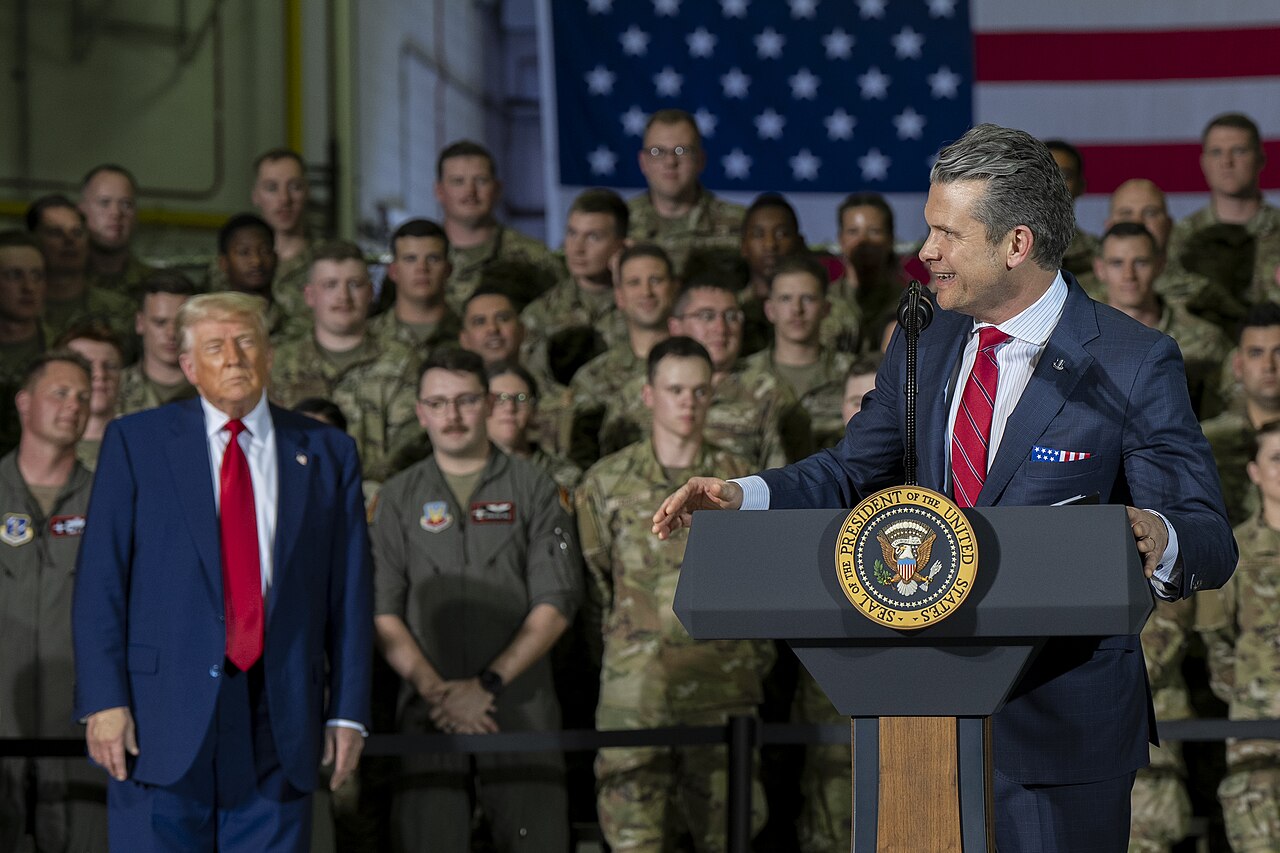
On September 29, the slogan became policy. Trump signed an executive order titled “Inaugurating the Era of Super Intelligence,” instructing federal departments and agencies to stop using “artificial intelligence” and “AI” in official correspondence, public communications, websites, reports and policy documents, replacing them with “Super Intelligence” and “SI.” The order also gives the White House 60 days to propose a federal definition of “Super Intelligence.” The October 8 “enemy” post is the sharpest escalation yet.
Tech Giants Cave: Huang, Zuckerberg, Musk and Bezos All Adopt “SI”
The reason the “enemy” rhetoric rattled Silicon Valley is that its biggest players had already fallen in line. As AOL reports, Nvidia CEO Jensen Huang, Meta CEO Mark Zuckerberg and Elon Musk of SpaceXAI have all adopted the term “super intelligence” in public remarks. Musk has even said he will rename his company from SpaceXAI to “SpaceXSI” to align with the White House directive.
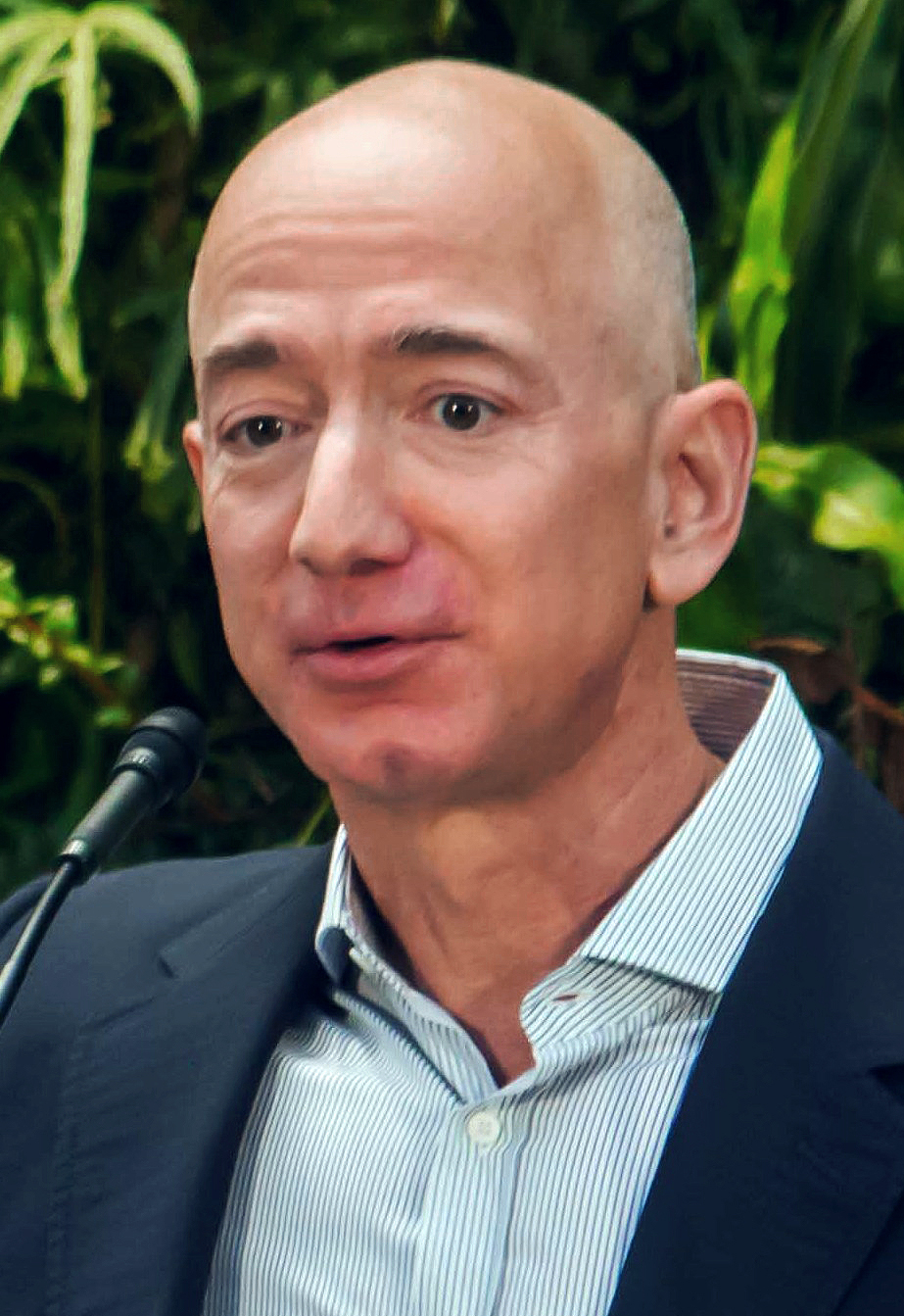
The latest to fall was Amazon founder Jeff Bezos. Asked point-blank by Fox News anchor Bret Baier — “Are you into SI or AI?” — in an interview aired October 7, Bezos replied: “I do like SI, because artificial is not a very flattering thing. Like, nobody wants an artificial sweetener, artificial flavoring. Artificial sort of means fake.”
The White House Website Changed Its Graphics Overnight — But the Domain Tells an Awkward Story
The enforcement has been remarkably fast. Observers noted that the official U.S. government AI site, ai.gov, remained active while si.gov was nowhere to be found — a point the Democratic Party’s official X account used to mock the rebrand’s haste. By the afternoon of October 8, however, the White House had swapped the graphics at ai.gov to read “SI,” though the si.gov domain still appeared dormant. Renaming a technology, it turns out, is far more complicated than posting about it.
California Fights Back: Newsom Signs a Counter-Order Keeping “AI”
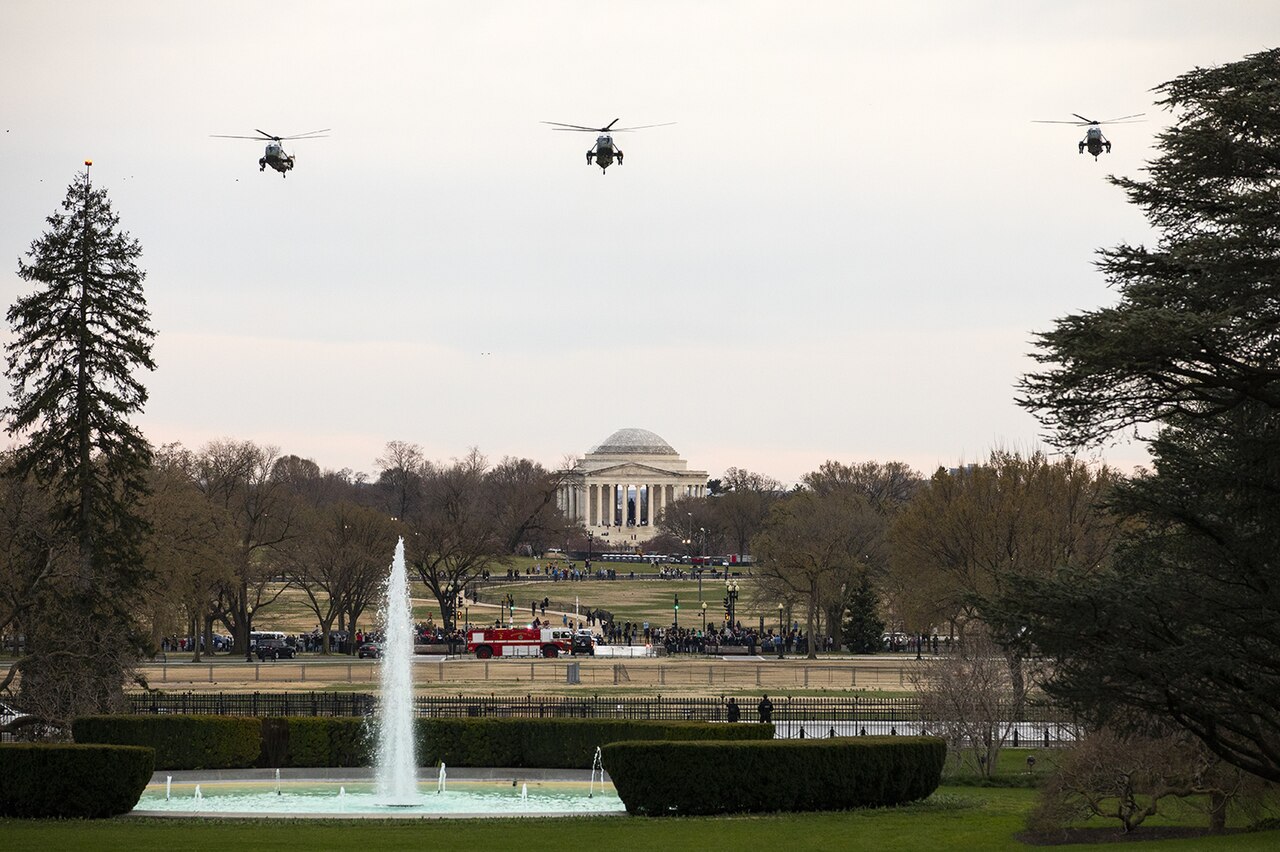
The most dramatic counterattack came from California. One day after Trump signed the federal order — on September 30 — Governor Gavin Newsom signed his own executive order requiring state agencies to continue using “artificial intelligence” and “AI.” The practical result: the same American citizen now encounters “Super Intelligence” when dealing with the federal government and “Artificial Intelligence” when dealing with California. One technology, two official languages.
“Superintelligence” Already Meant Something Else: Researchers Warn of a Political Takeover of a Technical Term
What frustrates AI researchers most is that the rebrand is technically incoherent. Philosophers such as Nick Bostrom long ago gave “superintelligence” a strict definition: a hypothetical level of machine intelligence substantially smarter than the best human brains across practically every field. In other words, “artificial intelligence” describes the broad family of technologies that exist today, while “superintelligence” refers to a future that has not arrived. The federal definition the White House must deliver within 60 days will decide what the word officially means in U.S. government documents.
Conclusion: The Battle Over a Name Is a Battle Over Power
In less than a month, Trump turned a technical term into a test of political loyalty — via a social media poll, a UN speech, an executive order, and finally an “enemy” declaration. The speed with which tech giants complied shows that federal procurement budgets and regulatory power still command Silicon Valley’s deference; California’s counter-order signals the “AI vs SI” fight is far from over. For readers worldwide, two indicators matter most: when si.gov finally goes live, and what definition the White House produces when the 60-day deadline arrives — whether a word that academically means “intelligence beyond human capability” will be rewritten into a political slogan.