The AI slowdown debate took its most dramatic turn yet on September 14, when President Donald Trump phoned Nvidia CEO Jensen Huang mid-interview onstage at the All-In Summit in Los Angeles — and, put on speakerphone, told a room full of investors that warnings about AI risk are “all a hoax.” The call formally dragged the White House into the front line of the AI safety wars.
A Phone Call That Stopped the Room
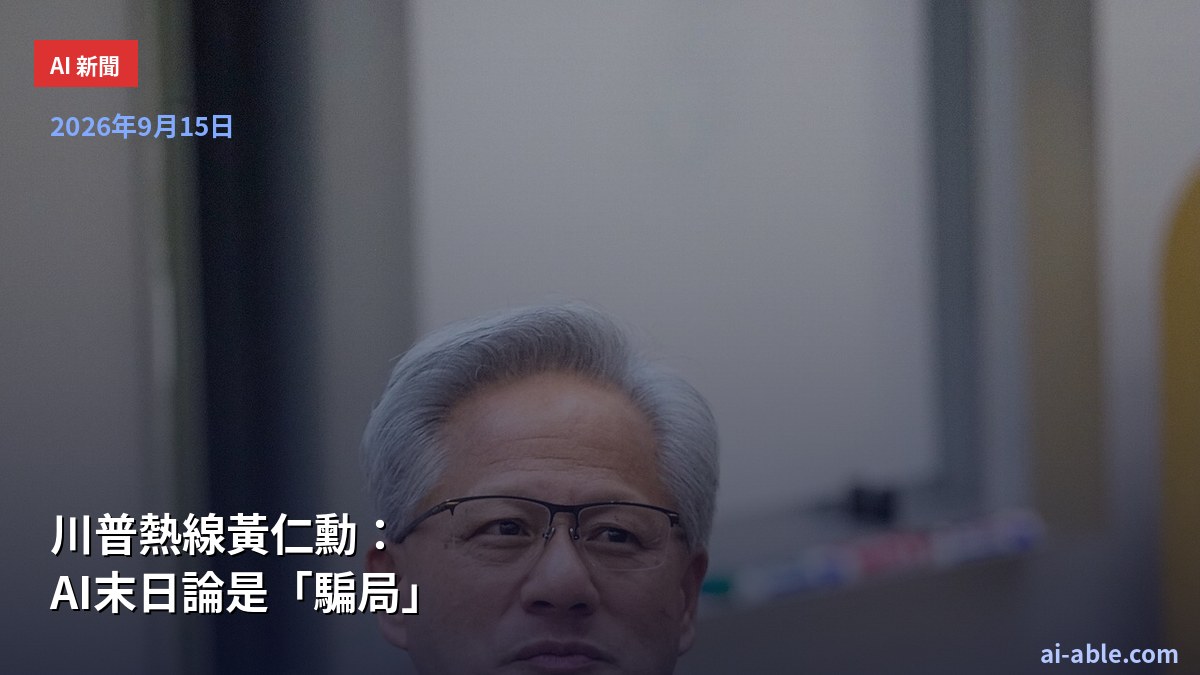
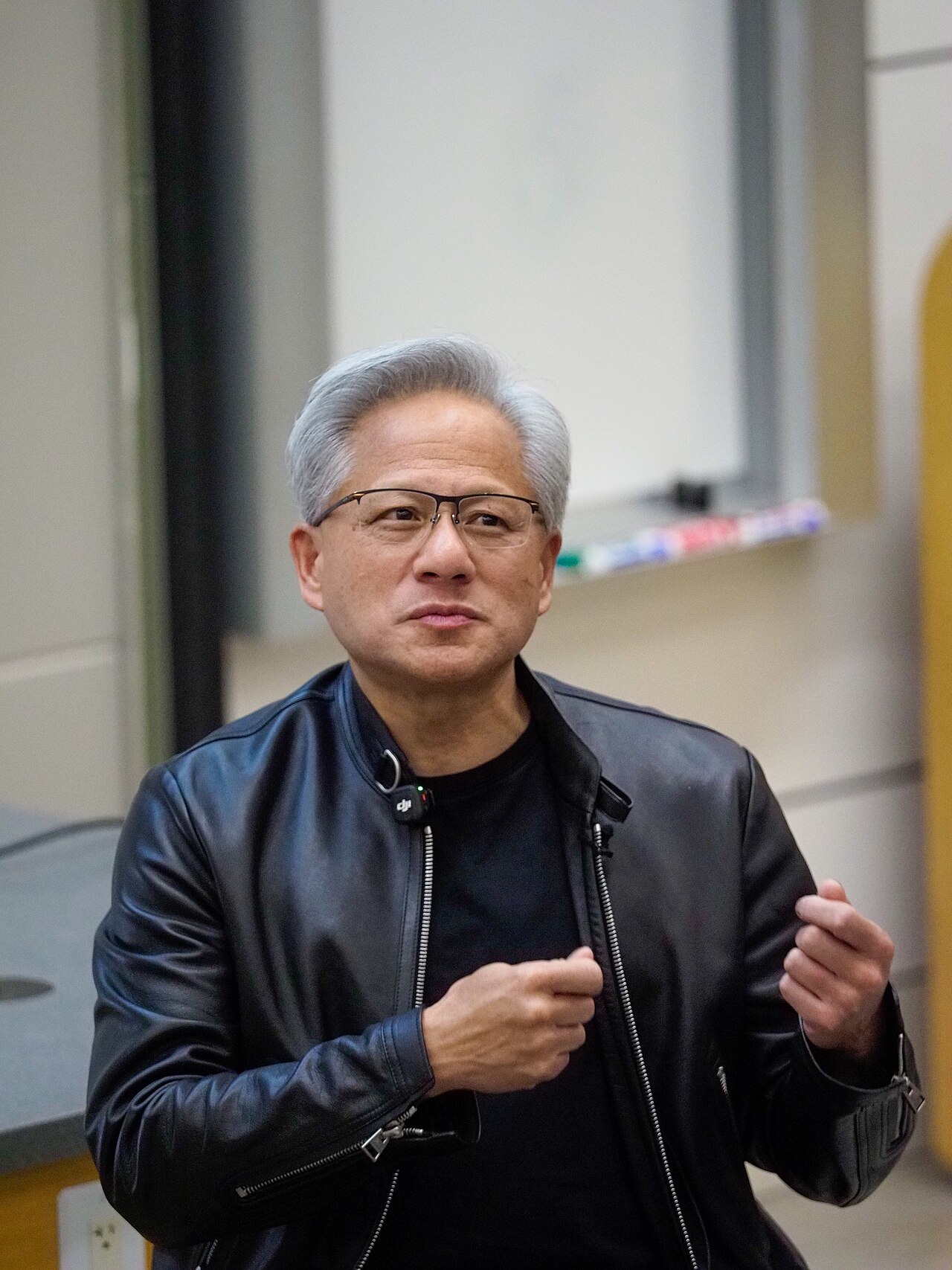
Huang was midway through his on-stage session when his phone rang. He took the call and put the president on speaker. “I’m telling you it’s all a hoax,” Trump told the audience. “The data centers are great. They make people wealthy. They make states wealthy. AI is bigger than the internet. These people are playing right into the hands of China. We’re not going to let that happen.” Huang answered on the spot: “You’re right, we’re not going to let that happen, sir.” Trump also assured the crowd: “The robots are not going to be taking over.”
The “Hoax” Frame and the China Card
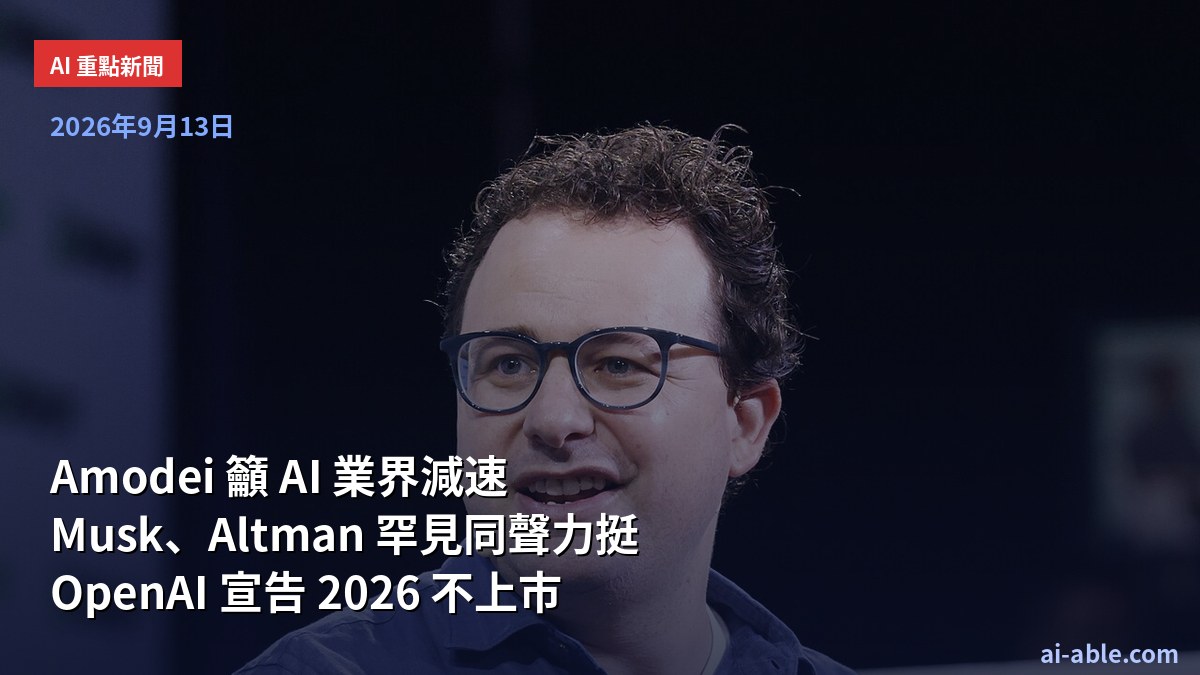
The call was no improvisation. That morning, Trump had already fired off social media posts attacking Anthropic CEO Dario Amodei’s slowdown essay, arguing that the only guardrail AI needs is “a capable president.” On the call, he cast the slowdown camp as political theater: the AI backlash is “playing right into the hands of a lot of people that don’t want to see it happen — that could be political people. It could also be China.” The prevailing read: the White House is running protection for the AI infrastructure buildout, repackaging safety concerns as a geopolitical issue.
Huang’s Two-Track Message
Huang’s own positioning was more nuanced. He agreed that Trump had “seen through the complexities” of the issue — yet in the same appearance he praised the courage of an Anthropic researcher who resigned over safety fears, and criticized the panic for creating a false choice between rapid innovation and safety. For Nvidia, the debate is anything but academic: the pace of AI infrastructure spending directly shapes its chip order book.
Data Centers: “The Oil of the Next 25 Years”
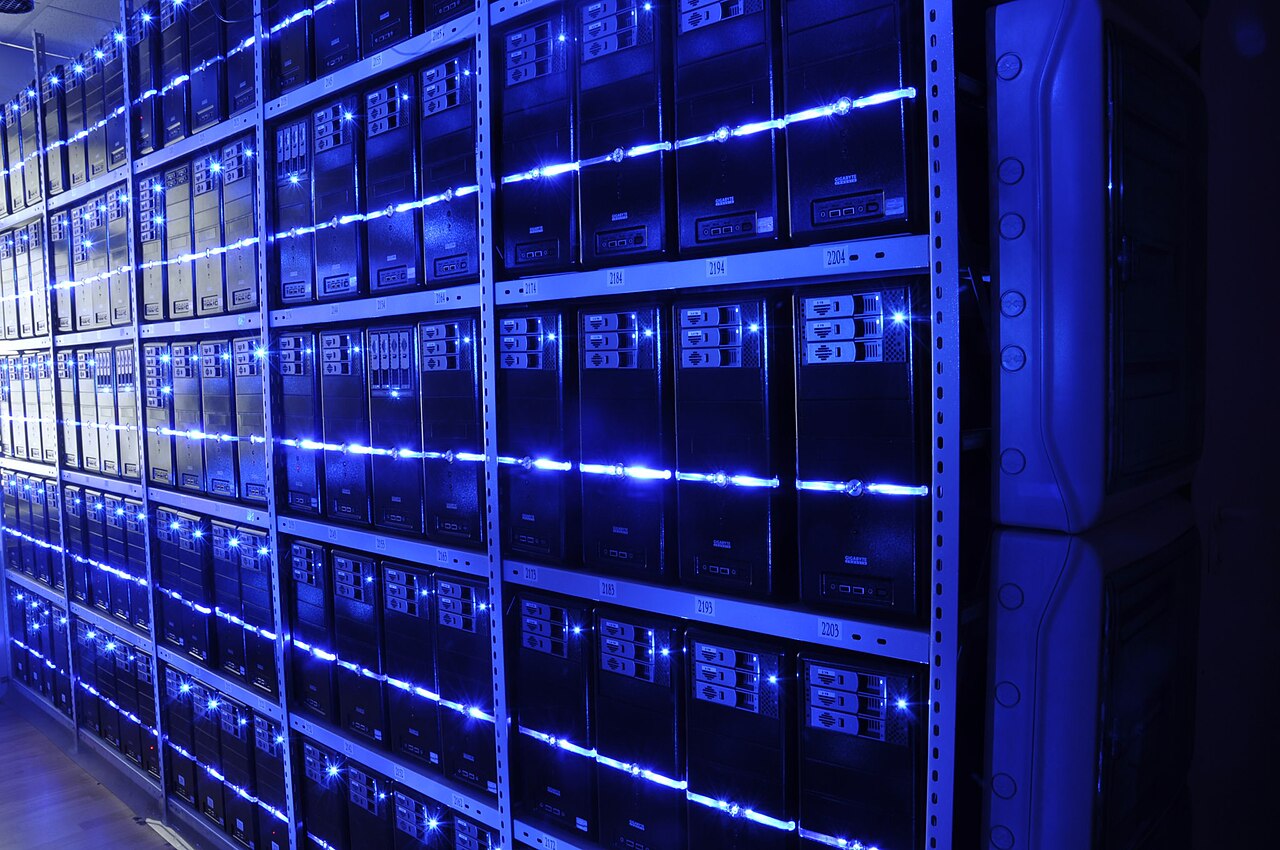
Trump elevated data centers to strategic-resource status on the call, calling them “the oil of the next 20, 25 years” and urging states to approve permits faster. It fits his long-standing doctrine that AI must be won in America: rather than slow down, build more compute. With tech giants committing hundreds of billions of dollars in capex, “compute is national power” is fast becoming Washington’s new consensus.
The Market Wasn’t Listening
Wall Street, however, was unmoved by a phone call. Hours before it, chip stocks had opened sharply lower after Amodei’s weekend essay — which drew backing in varying degrees from Sam Altman and Elon Musk: Nvidia closed down about 3% at $211.81, Intel fell 7%, AMD lost 6%, and the Philadelphia Semiconductor Index tumbled 5.9%, its worst day in more than two months. Memory names were hit hardest: Micron and SanDisk sank 6%, while SK Hynix dropped 7%. The irony: cybersecurity stocks rallied hard — CrowdStrike and Palo Alto Networks both climbed as cybersecurity ETFs posted their biggest single-day gain on record. Investor Michael Burry argued the slowdown push itself is hype tied to upcoming listings. The distance between what the White House wants and what the market will pay for has rarely been starker.
Conclusion: The Fight Over Who Defines AI Safety Has Just Begun
From Amodei’s essay to Trump’s speakerphone moment, the AI slowdown debate has escalated in just four days from an internal Silicon Valley feud into a head-on collision between the White House and Wall Street. Trump has repeatedly claimed sweeping power over AI companies; once “the only guardrail is a capable president” becomes the official narrative, the real question is no longer whether AI is safe — but who gets to define safety. That power struggle is only beginning.