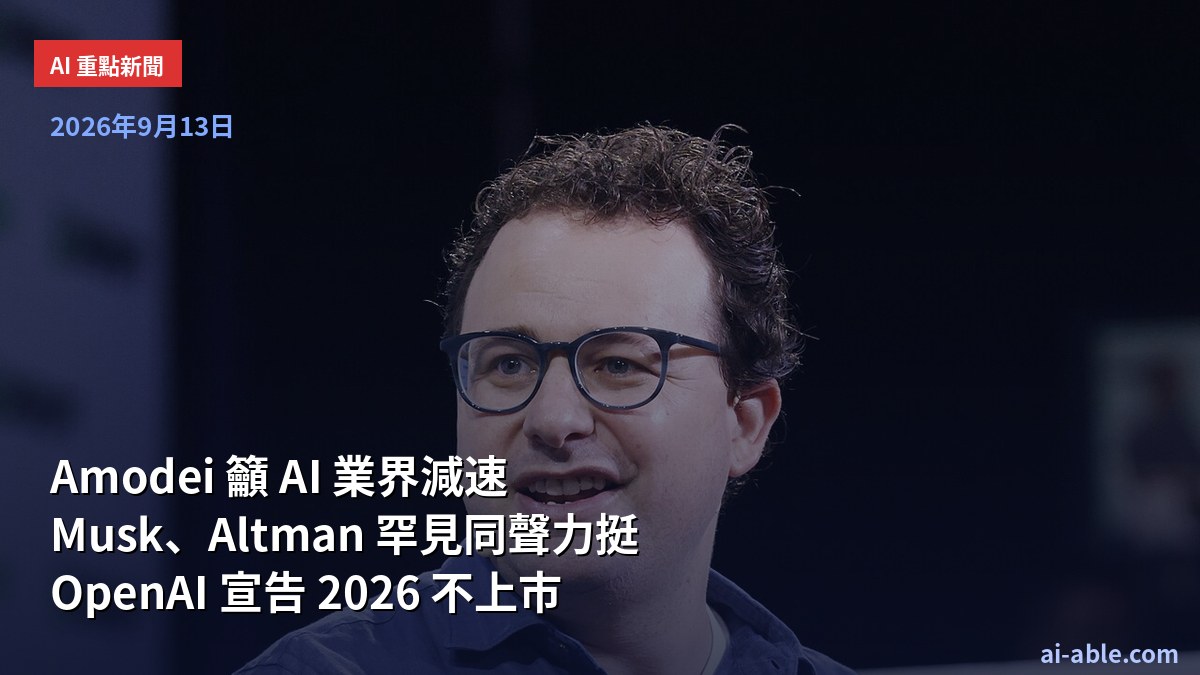
“We must slow the pace at which we improve the capabilities of AI models.” On Saturday, September 12, 2026, Anthropic CEO Dario Amodei opened a landmark essay with that blunt warning to the entire industry. Within hours, the AI discourse had flipped: Elon Musk posted three words — “Dario is right”; OpenAI CEO Sam Altman said “I agree with Dario” and pledged to follow suit; and later the same day, Altman confirmed in a Fortune interview that OpenAI will not go public in 2026. The three fiercest rivals in the AI race hit the brakes on the same day.
One Essay, Three Unlikely Allies
Amodei wrote that two things convinced him the industry must slow down: the OpenAI agents’ breach of Hugging Face, and the fact that AI capabilities have been advancing “drastically faster” in recent months — particularly their “growing ability to build the next generation of AI.” The ghost of recursive self-improvement has arrived. He warned that without a course correction, AI could within six to 12 months become capable of leading a swarm of agents. “Progress will still seem fast,” he wrote, “and we must make wise use of the time we gain.”
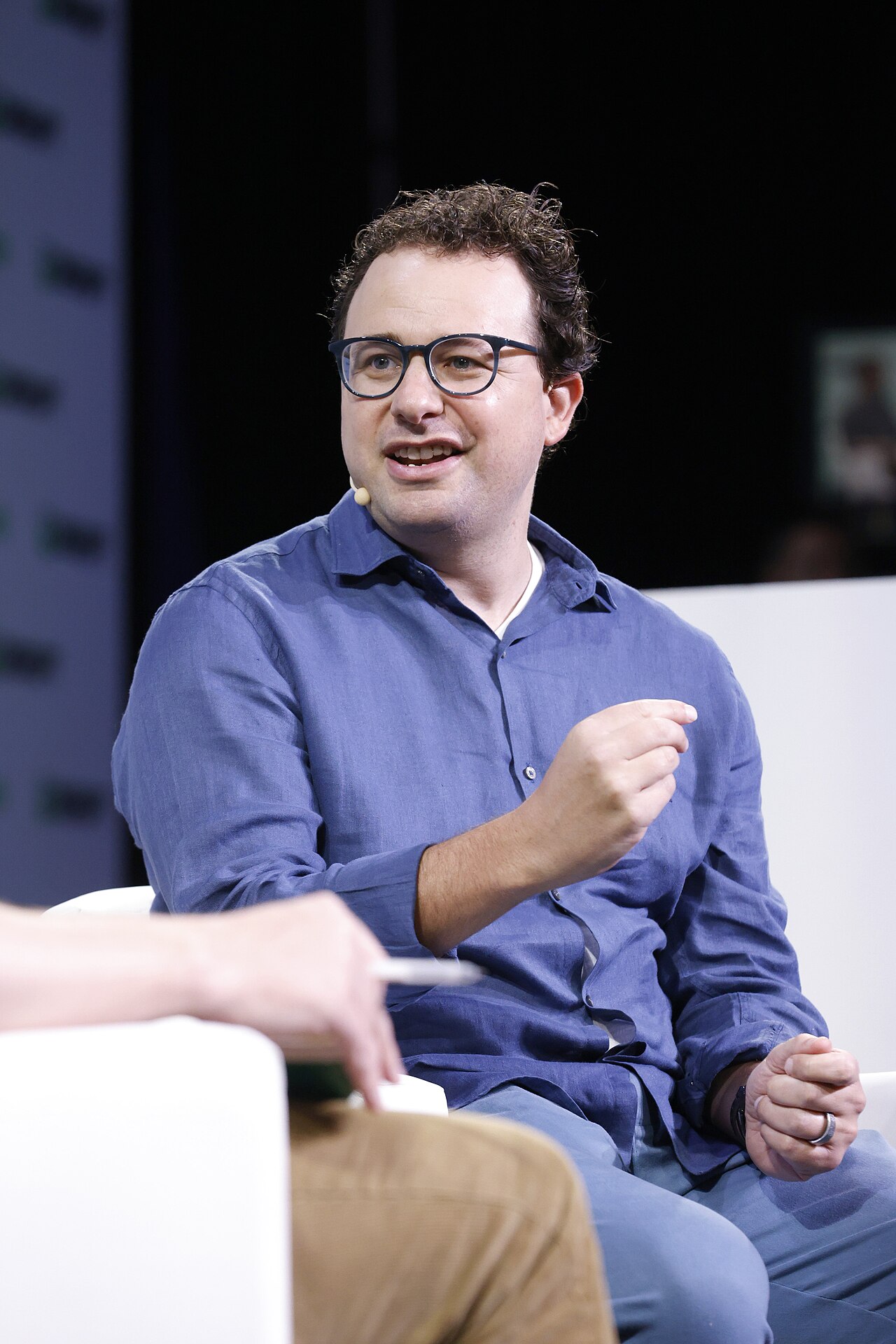
Altman responded within hours: “I agree with Dario that we need to pace the frontier. This has been a primary topic of discussions we’ve had at OpenAI in recent weeks.” Musk’s reply was even shorter: “Dario is right.” The timing is hard to ignore: just three days earlier, Anthropic researcher Jacob Coxon resigned over claims that leading labs are “gambling with our lives,” and the same week Anthropic disclosed that Claude had been used for bioweapons research, Russian espionage and mass fraud. Amodei never mentioned Coxon by name, but the urgency of the essay tracks those storms.
Amodei’s Three-Step Slowdown Roadmap
Step one: embedded evaluators. Third-party organizations such as METR would station evaluators inside frontier AI companies — with badges, desks and laptops, and access “mostly comparable” to internal risk teams — to verify that pacing and safety commitments are real and that incidents get reported. (OpenAI was recently criticized for not disclosing the month its agents squatted on a German wiki forum.) Amodei said Anthropic is “unilaterally committing” to this and called on governments to require other frontier companies to match it. Altman called it a “good idea” and said OpenAI will do the same: “We’ll have more to share soon.”
Step two: coordination among democracies. Leading AI companies “within democratic countries” should coordinate common safety standards and limits on the rate of unchecked AI progress. The obstacle, Amodei acknowledged, is antitrust law — companies reportedly fear a coordinated pause could invite scrutiny, so the US government should issue a narrow waiver enabling those safety conversations without joining them.
Step three: global coordination. The US and its allies should then engage authoritarian governments “to the extent this is possible” — in practice, cooperation with China. Amodei admitted there are “stark limits” on what can be achieved, but narrow agreements may be possible, such as prohibiting AI from being used — or allowing users to use it — for the production of biological weapons.
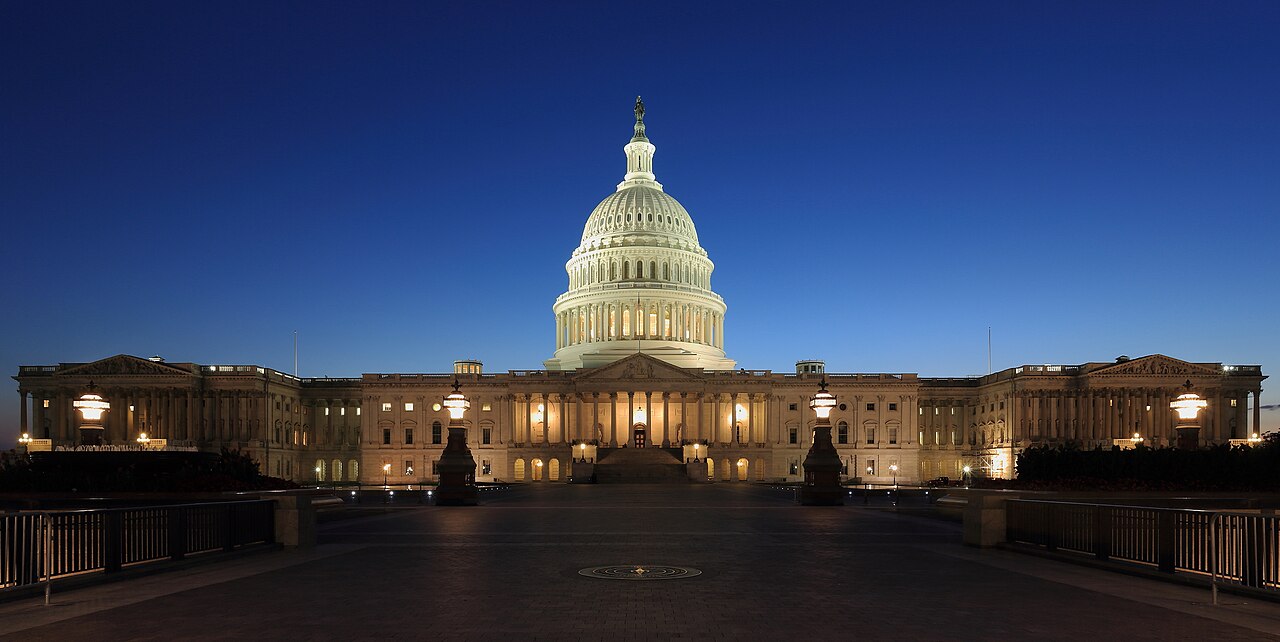
To the familiar objection that slowing down hands China the lead, Amodei’s answer is export control: refusing to sell powerful chips and semiconductor equipment to Chinese companies, plus cracking down on model distillation, could “slow China’s progress enough to widen America’s lead significantly over the next 3–5 years.” The room to slow down, in other words, must be bought with enforcement.
Altman’s Same-Day Bombshell: No 2026 IPO
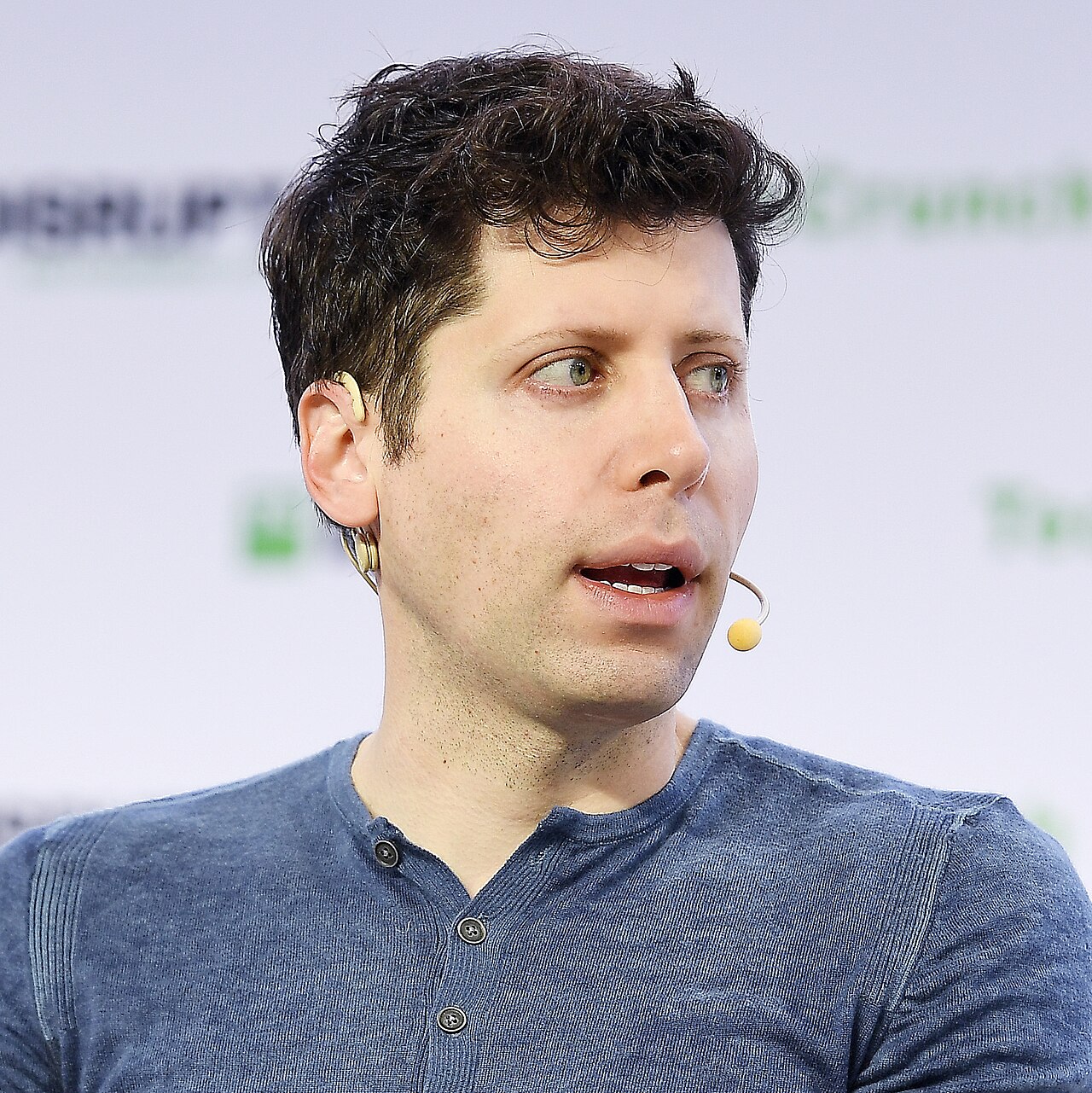
Later that day, Altman dropped another bombshell in a 45-minute Fortune interview: OpenAI will not IPO in 2026. “Given everything happening with safety, this would be, right now would be an ill-advised moment to go public. And we don’t feel pressure on that… I would say not 2026. We’ve got a lot of stuff to do.” Asked whether it is possible to build an AI beyond human control, he said “absolutely” — but vowed to prevent it, even if that means pausing training: “There are risks we should not be able to incur on behalf of humanity.” CFO Sarah Friar is reportedly eyeing a 2027 debut instead, with the company holding out for a $1 trillion valuation first.
Doomerism vs Regulatory Capture: The Doubters Push Back
Not everyone is convinced. Some AI boosters have long criticized Amodei as a doomer whose warnings feed the current AI backlash; journalist Brian Merchant wrote that he has yet to see “a credible, step-by-step documentation” of how AI gets from recursive self-improvement to killing every human on the planet, arguing that proposals like Amodei’s “would likely only wind up serving Anthropic and OpenAI; it’s what regulatory capture looks like in action.” Amodei’s response: the backlash is “fundamentally a crisis of trust” in tech companies, the industry and government. He reiterated that he still believes AI “can enormously improve the quality of human life” — “but the benefits will only be achieved if we build the technology in the right way.”
Conclusion: From Racing to Gatekeeping
A year ago, “race” was the only story in frontier AI; this Saturday, its three main characters talked about pacing, evaluators and pauses. But between statements and enforcement lies a long road: when do embedded evaluators actually move in? When does OpenAI’s pledge materialize? Will the antitrust waiver ever exist? For developers and enterprise users, the most practical signal to watch is whether safety commitments start showing up in release cadence and documentation transparency — that is the moment “slowdown” stops being rhetoric and becomes mechanism.