One Stick Insect Taught a Robot to Walk
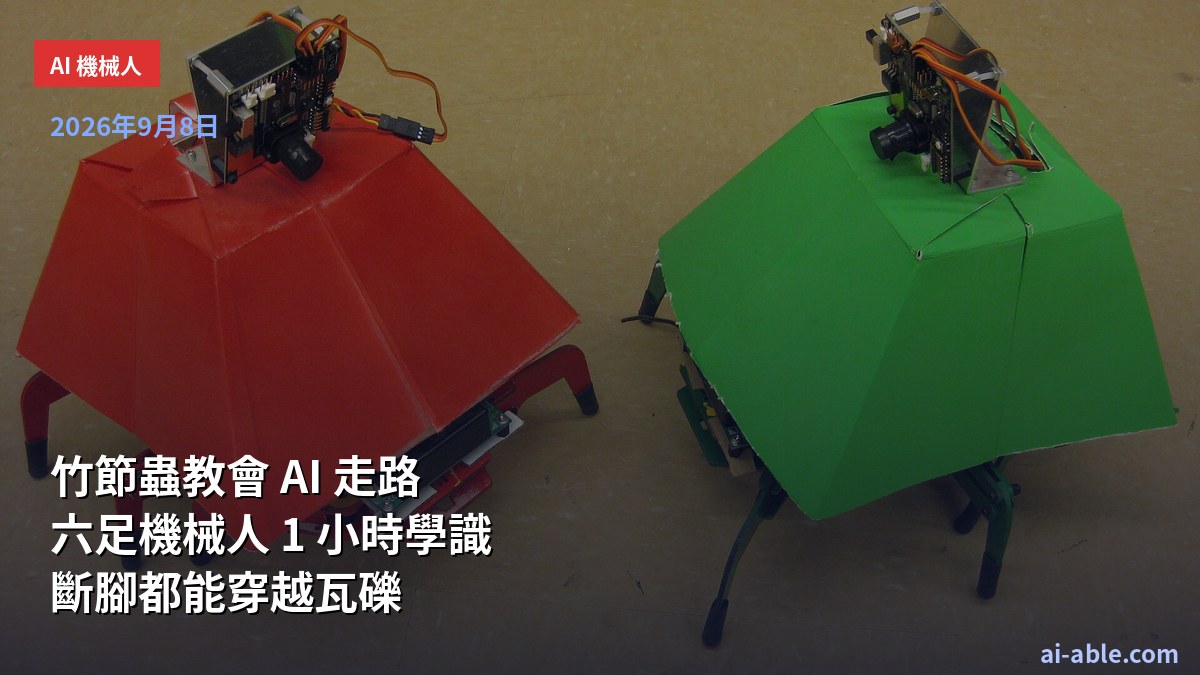
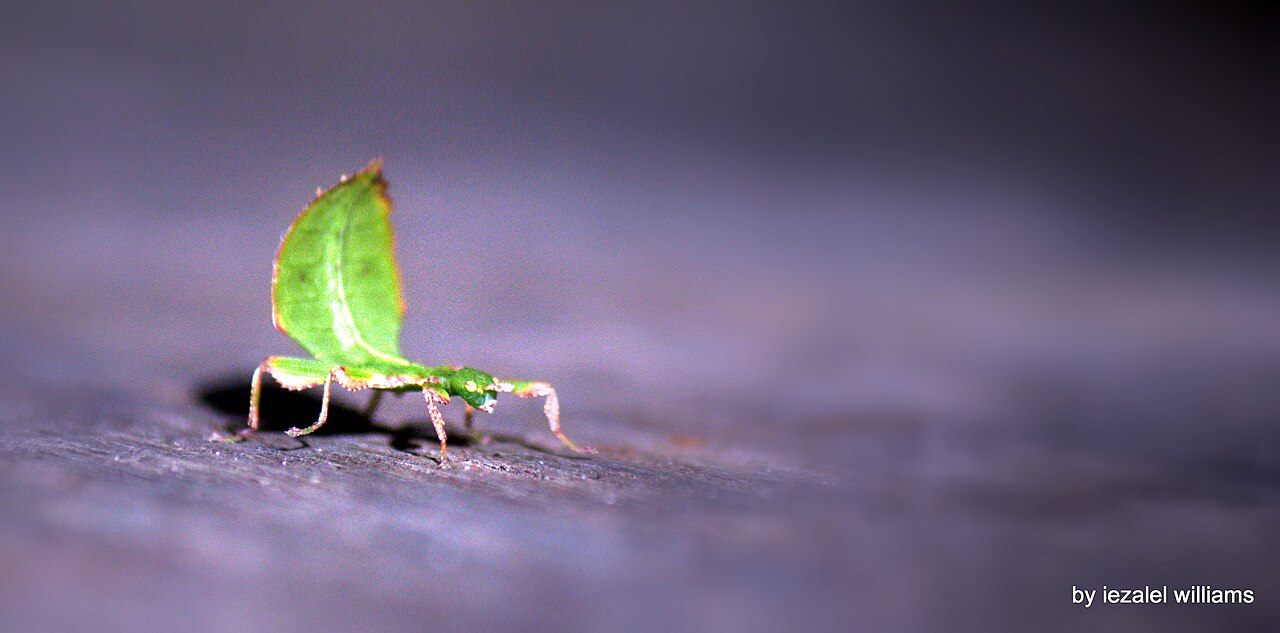
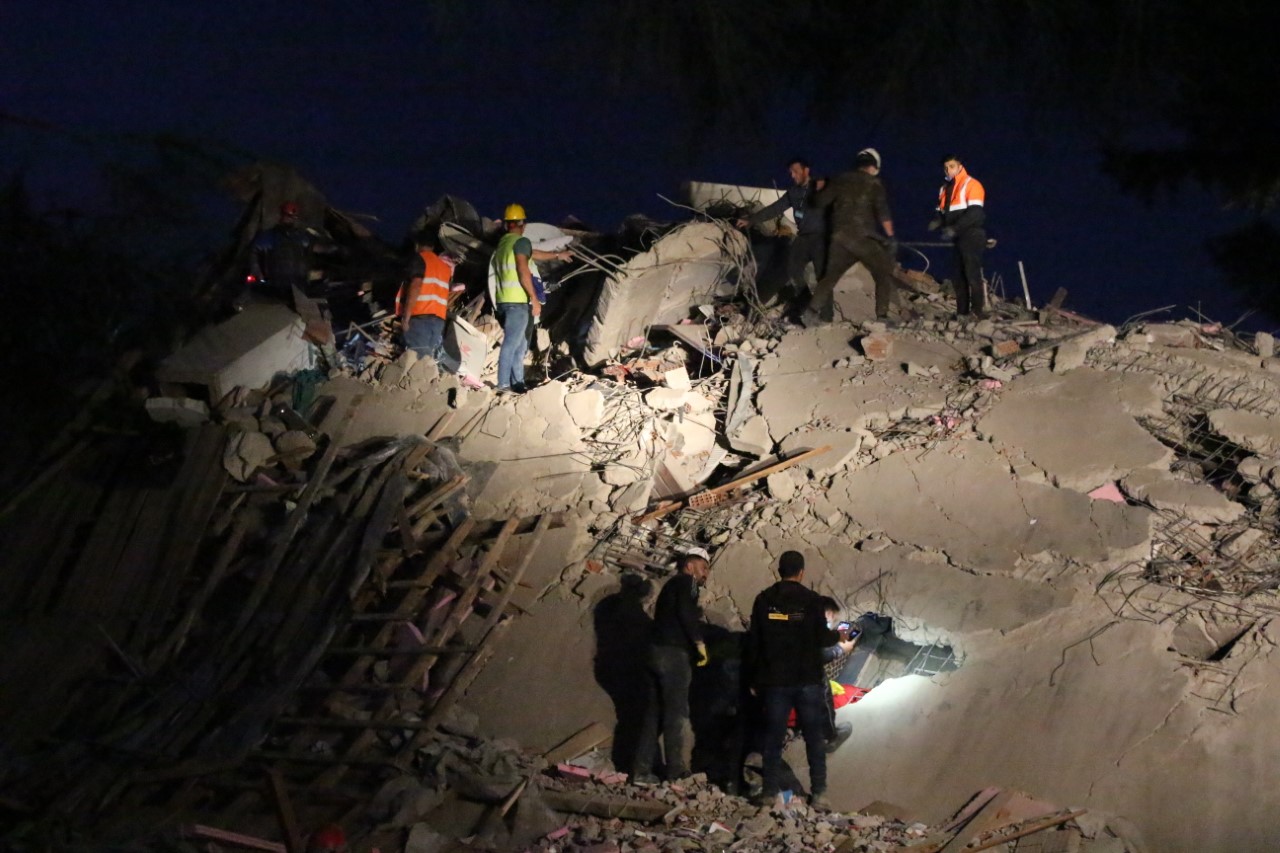
Picture a future earthquake zone: deep in the rubble where wheeled vehicles cannot reach, a six-legged robot steadily picks its way across broken concrete searching for survivors — and the “teacher” that showed it how to walk was a stick insect. An international team led by Japan’s Tohoku University and Thailand’s Vidyasirimedhi Institute of Science and Technology (VISTEC) has published a breakthrough in the journal Bioinspiration & Biomimetics: by analyzing just three or four steps of a single stick insect’s walking data, AI can infer a transferable principle of locomotion that let a hexapod robot five times the insect’s size learn to walk on its own in under an hour.
“We Never Told the Robot How to Walk”
Conventional robot locomotion depends on engineers writing explicit movement rules for every leg — a slow design process that must be redone for each new machine. The researchers instead turned to adversarial inverse reinforcement learning (AIRL). Rather than telling the AI how to walk, the system works backward from small clips of insect walking to infer what the insect is trying to achieve — the “reward” of safe foot placement on changing ground — and then lets the robot chase that same goal entirely on its own.
“We never told the robot how to walk,” explained Dai Owaki, Associate Professor at Tohoku University. “We asked what the insect was trying to achieve, and let the robot chase the same thing on its own.”
Crucially, the AI learned two things at once: what the insect aims for when it walks, and how the legs should move to achieve it. This goal-driven approach let the hexapod learn three times faster than with a standard reward function, completing the entire learning process within an hour.
Loses a Leg, Keeps on Walking
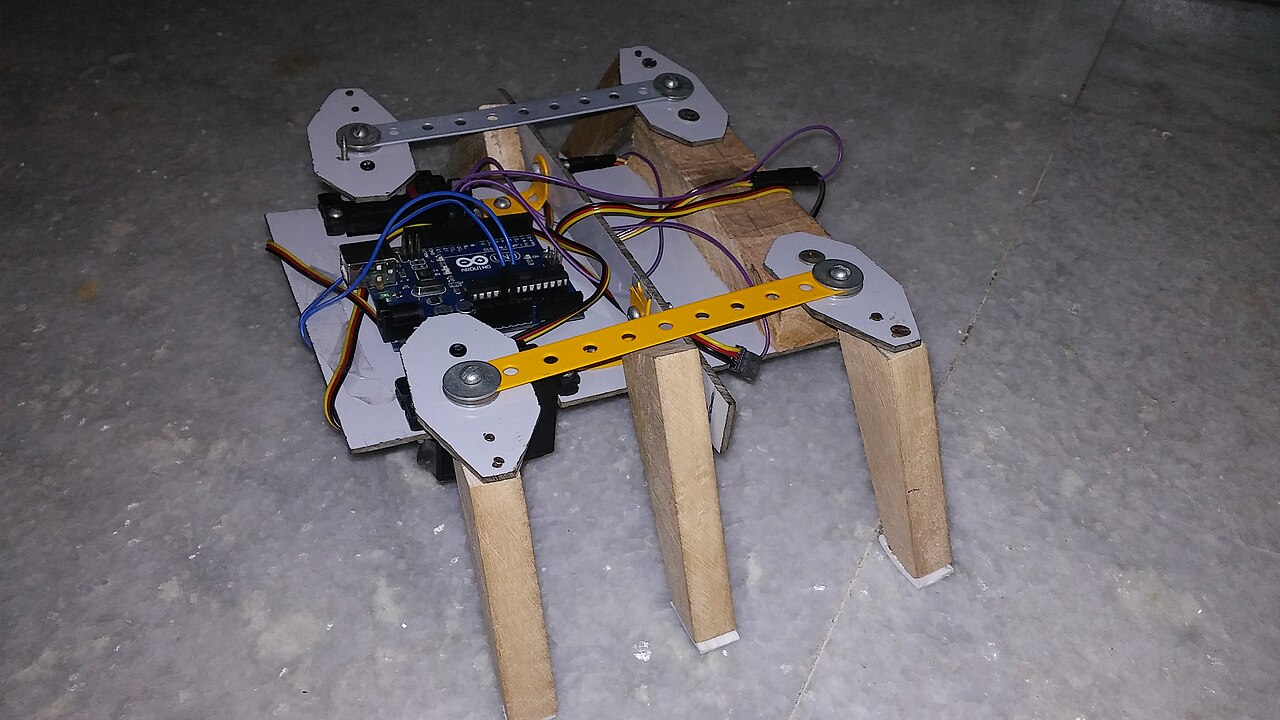
The results go far beyond speed. In testing, the six-legged robot — dubbed RedMirror at VISTEC — not only walked stably over uneven terrain, but after losing one of its legs, the learning system adapted to its new body configuration, recalibrated its gait, and kept moving. That resilience is precisely what a disaster scene demands.
“It’s remarkable that a few steps from a single stick insect were enough to find a principle that works on a machine five times its size,” said Owaki.
Transferable Learning: From One Body to Another
The study’s other major breakthrough is transferability. The researchers split what the robot learns into two parts: one holding principles true for any body, the other holding parameters specific to one particular machine. New robots therefore don’t have to start from zero — only the machine-specific portion needs adjusting — which could significantly cut development costs and speed up mass production.
The team says the next step is giving the robot memory, allowing it to accumulate experience over time and keep improving — a step toward highly mobile robots that could one day work in disaster response.
Conclusion: Big Lessons From a Small Insect
This research demonstrates that the key to robotic movement may not lie in ever-larger compute or more complex code, but in some of nature’s most unassuming creatures. A few steps of stick insect data, combined with inverse reinforcement learning, produced walking intelligence that adapts to damage and transfers across bodies. For rescue robots, planetary explorers, and any machine that must move through hostile environments, that opens an entirely new path. When robots learn to understand the purpose of walking — rather than memorize an engineer’s instructions — the moment they can truly walk into a disaster zone may be closer than we think.