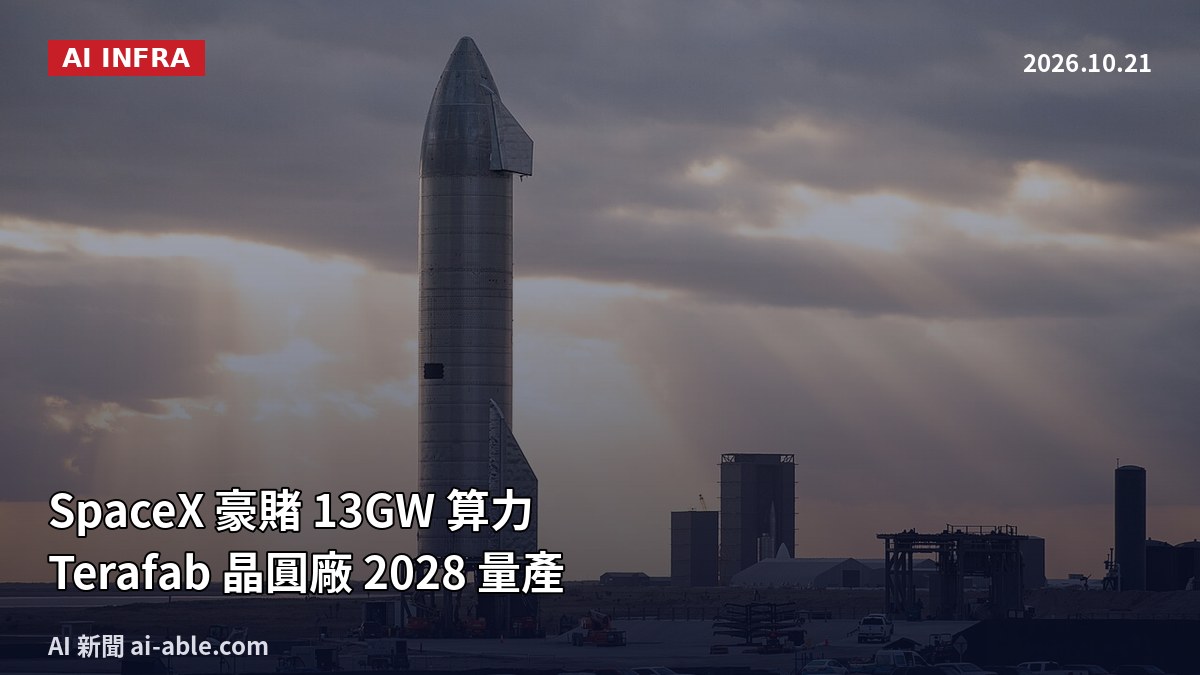
SpaceX’s Q3 2026 earnings call just turned into an AI infrastructure manifesto. Elon Musk announced that the company targets roughly 13 gigawatts of AI compute by the end of 2027 — the power draw of more than a dozen nuclear reactors — and that Terafab, the SpaceX-Tesla chip joint venture, aims for volume production by Q3 2028. A rocket company is now fighting three wars at once: space, AI compute, and semiconductor manufacturing.
The 13GW Blueprint: A Dozen Nuclear Reactors of Compute
The headline number of the call was Musk’s “approximately 13 gigawatts” target. He also revealed that SpaceX is currently bringing roughly 200,000 Nvidia chips online every month and expects to sustain that pace through 2027, with data-center capacity planned to expand roughly tenfold by the end of 2027. By any measure, this is grid-scale electricity consumption — the AI arms race has officially entered its power era.
The numbers back the ambition: SpaceX posted Q3 revenue of $14.6 billion, up 161% year-over-year, with its “Super Intelligence” infrastructure business now a core growth engine, and guided Q1 2027 revenue to $33-37 billion. Musk added that SpaceX could rent out its AI compute “several times over” — demand far outstrips supply.
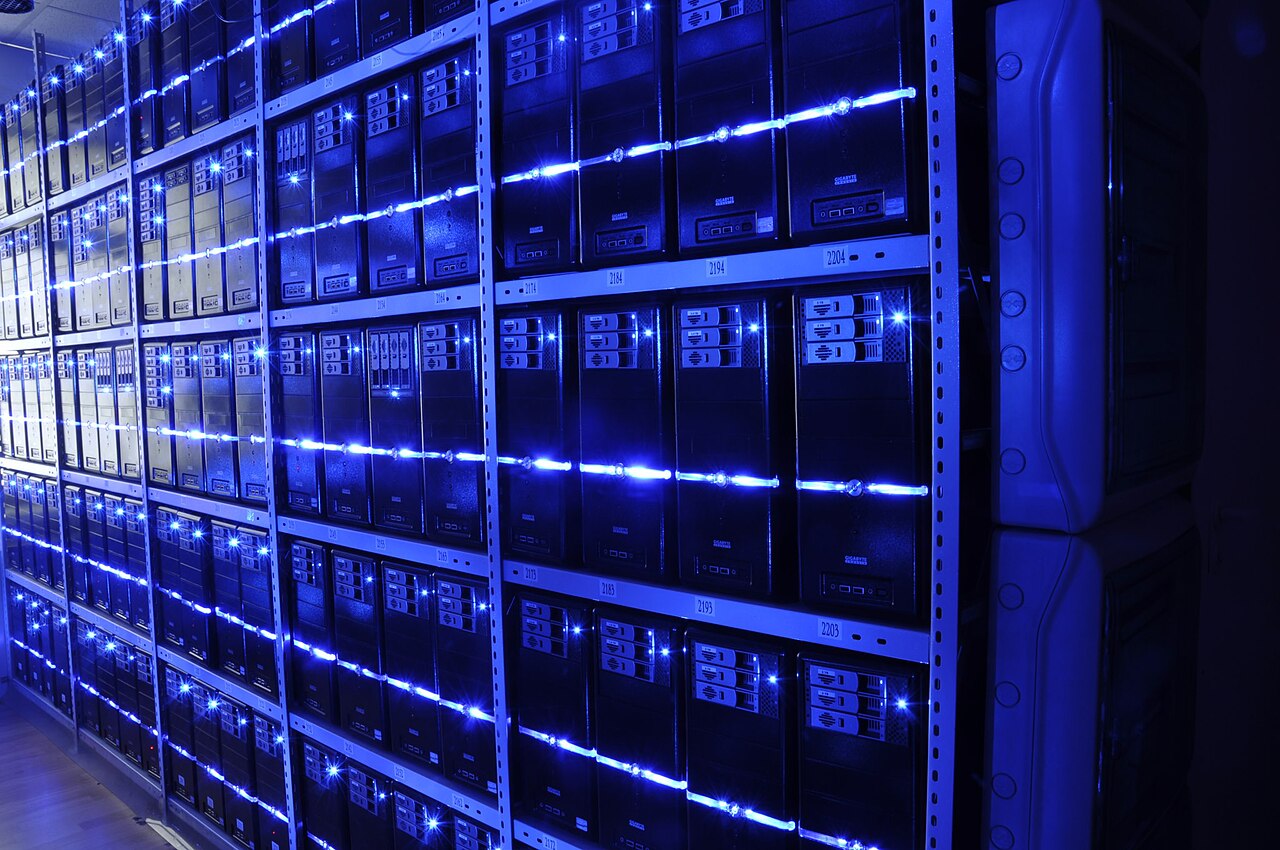
Terafab: Volume Production by Q3 2028, ASML Accelerating Deliveries
The second bombshell is chip autonomy. Terafab — the SpaceX-Tesla fab with Intel involvement, a $16.8 billion first phase, up to $119 billion total investment, and a Texas site — now has a firm timeline:
- May-June 2027: first functional test chips
- Q3 2028: volume production
- Equipment: ASML and other semiconductor tool suppliers are “accelerating deliveries,” per Musk
If the schedule holds, the U.S. gains another domestic AI-chip megafab, entering a advanced-manufacturing lane currently dominated by TSMC, Samsung, and Intel. Musk’s calculus is clear: build your own compute, fabricate your own chips, and vertically integrate the AI stack from GPU all the way down to the wafer.
Why Is a Rocket Company Building Its Own Chips?
On the surface, Terafab solves a supply pain point: Nvidia’s output is booked solid by hyperscalers, and SpaceX’s 200,000-chips-per-month intake is itself astronomical. But the deeper logic is a moat. As AI’s bottleneck shifts from models to power, chips, and manufacturing, whoever controls the hardest hardware layers controls pricing power.
The risks are equally stark. Fabs are notorious capital sinks — $16.8 billion covers only phase one, and yield ramps on advanced nodes are measured in years. Musk himself conceded on the call that even with funding secured, building is another matter: constructing and operating super-scale data centers is “very difficult,” even for what he called SpaceX’s “super cracked team.”
Next Stop: From Ground Gigawatts to Orbital Data Centers
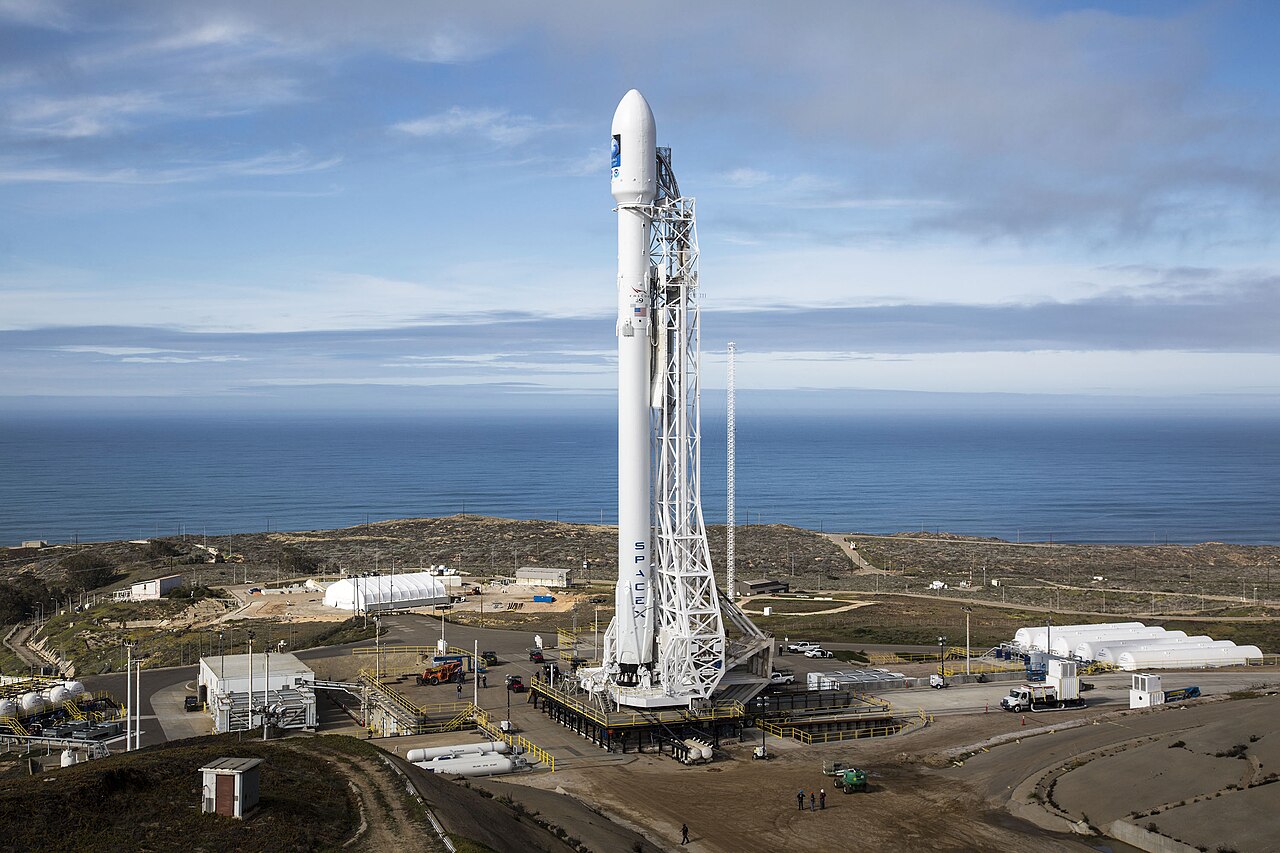
And then there’s the day job. Ground-based 13GW is only the start: Musk’s previously revealed “Starmind” program targets putting Nvidia silicon in orbit starting 2027, building toward a stated goal of one million orbital AI data centers. Falling launch costs are the transport backbone that ties launch, Starlink, compute, and chips into a single closed loop.
What It Means for the Market
For investors and industry watchers, this earnings call sends three signals. First, the scale race in AI infrastructure has jumped from billions to hundreds of billions of dollars. Second, compute companies are being pushed downstream into chipmaking — elevating the strategic importance of TSMC, ASML, and Intel. Third, SpaceX’s AI story now has real revenue behind it: Q3’s $14.6 billion and 161% growth are the foundation beneath the grand narrative.
Bottom line: 13GW of compute, Terafab volume production in 2028, and 200,000 chips a month — Musk is rebuilding SpaceX from a rocket company into a vertically integrated AI empire. Whether that gamble pays off will define the next five years of the AI hardware war.