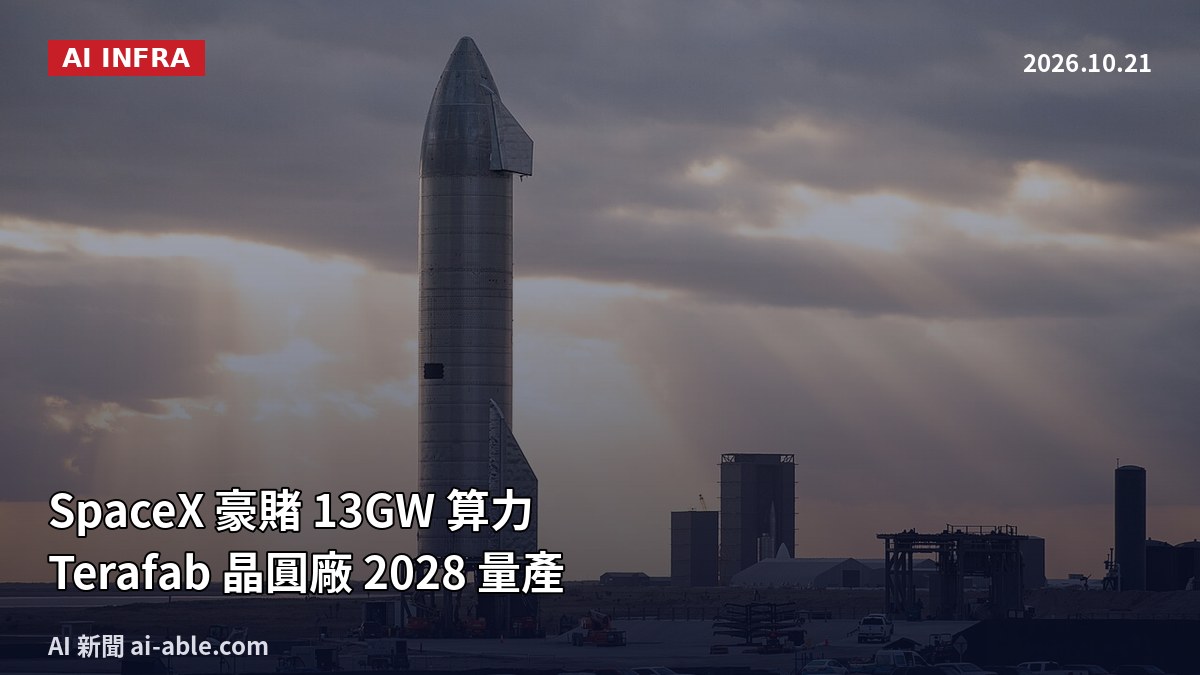
SpaceX Targets 13GW AI Compute by 2027 and Terafab Chip Production in 2028: Musk’s Vertical Integration Gamble
SpaceX’s Q3 2026 earnings call delivered staggering numbers: roughly 13GW of AI compute targeted by end-2027 — the power of a dozen nuclear reactors — and volume production at the SpaceX-Tesla Terafab chip fab by Q3 2028, with ASML accelerating equipment deliveries. Q3 revenue hit $14.6 billion, up 161%, and 200,000 Nvidia chips now come online monthly. Musk is rebuilding SpaceX into a vertically integrated AI empire.
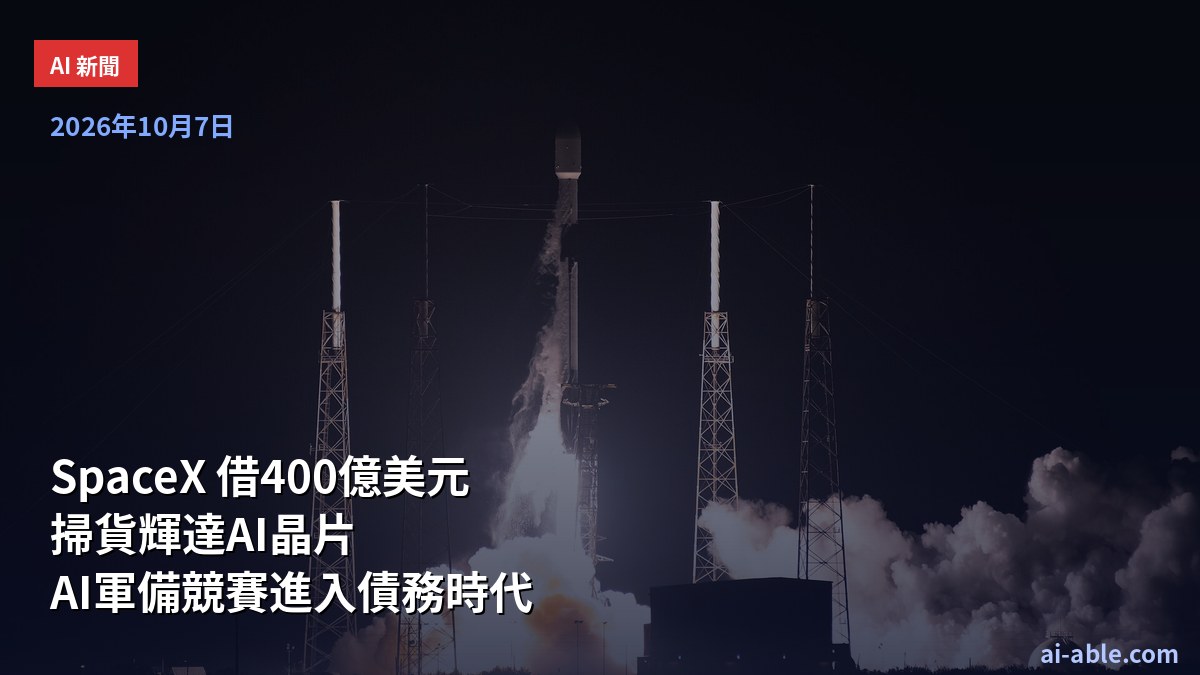
SpaceX Seeks $40 Billion Debt to Buy Nvidia Chips: AI’s Buildout Enters the Debt Era
SpaceX is seeking $40 billion in debt financing led by Apollo to buy Nvidia AI chips, the FT reported. With $10B in bank loans and $30B in investment-grade debt, the deal signals that the AI arms race has entered a debt-fueled era.

Google Sends TPU Chips to Space: First Step Toward Orbital AI Data Centers
Google has launched its first TPU-powered experimental satellite into low Earth orbit aboard a SpaceX rocket, testing whether AI chips can reliably compute in space. The MVP satellite carries four TPUs, runs on 1 kW of solar power in 15-minute cycles, and works alongside Gemini. It is the opening move of Project Suncatcher — Google’s plan for solar-powered orbital data centers, targeting an 80+ satellite constellation and cost parity with ground facilities by the mid-2030s.
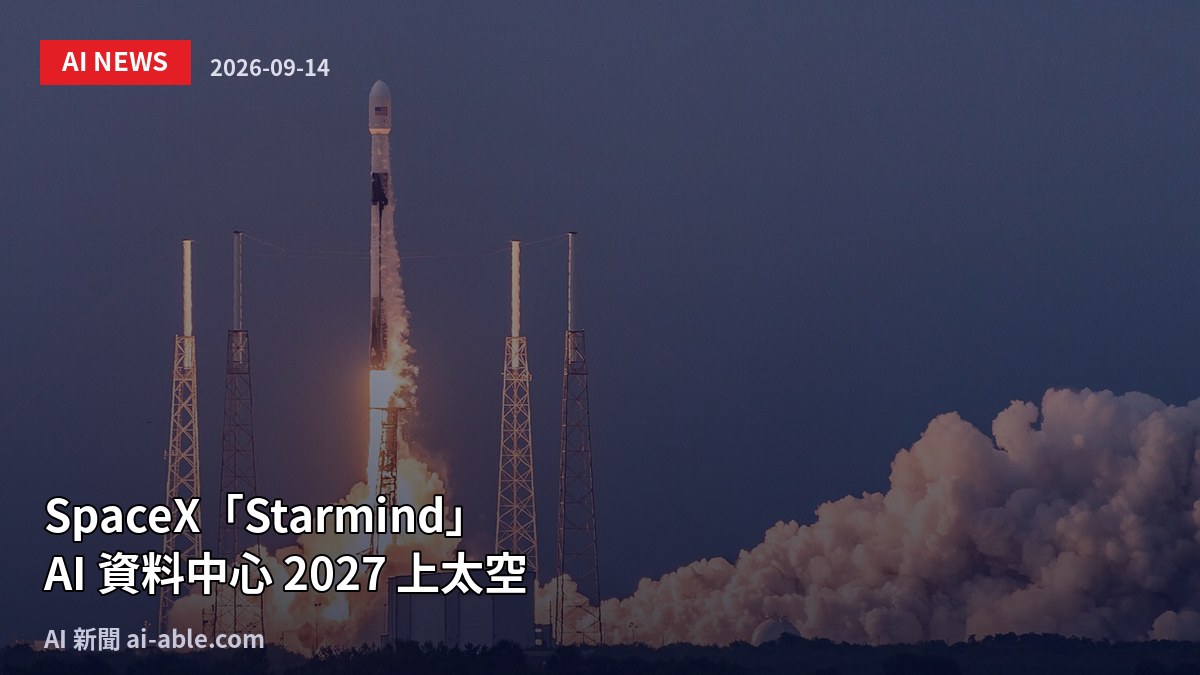
Musk’s Starmind: SpaceX to Launch Nvidia-Powered Orbital AI Data Centers in 2027 — One Million Are the End Goal
Elon Musk says he is “highly confident” SpaceX will launch Nvidia Vera Rubin NVL72 AI computers into orbit next year, kicking off the Starmind orbital data center program. The first satellite, AI1, stands 20 meters tall with a 70-meter wingspan, with significant scale targeted by 2028 and up to one million orbital data centers envisioned long term. Experts, however, warn that cooling, radiation, data transfer and rapid chip obsolescence could push real scale into the 2030s.