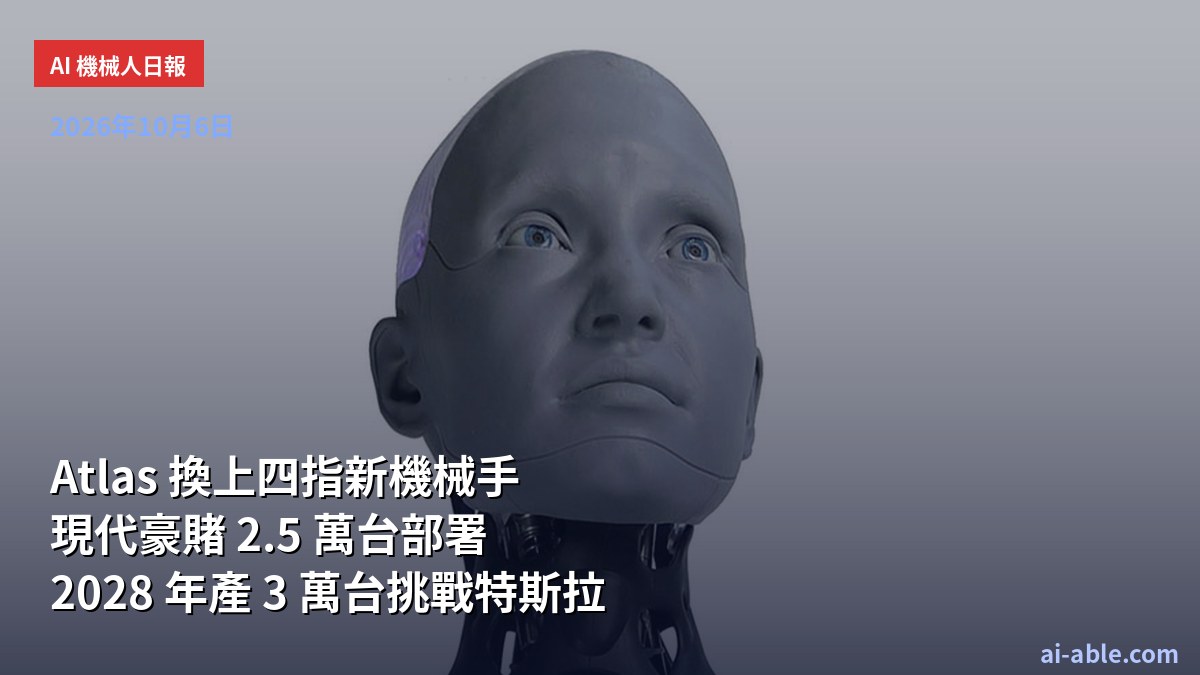
A humanoid robot has officially beaten the fastest human who ever lived. On August 22, at the opening day of the second World Humanoid Robot Games in Beijing, a self-developed humanoid robot named “Lightning”, built by Chinese smartphone maker Honor, sprinted 100 meters in 9.32 seconds — shattering the 9.58-second human world record that Jamaica’s Usain Bolt has held for 17 years.
9.32 Seconds: History Rewritten on the Track
According to China’s state broadcaster, Lightning completed the race in 9.32 seconds with a peak speed of 14.5 meters per second (about 52.2 km/h). For comparison, when Bolt set his 9.58s record at the 2009 Berlin World Championships, his top speed was roughly 44.7 km/h. The machine didn’t just win on the clock — its instantaneous speed now exceeds the fastest human sprinter in history.
Nor was it a one-off burst. In a preliminary heat on July 29, a robot named Tiangong Ultra had already clocked 9.39 seconds, dipping under Bolt’s mark for the first time. On opening day, the 400-meter human record fell as well. Multiple “human limits” rewritten by machines in a single day became the defining image of this year’s Games.
The Engineering Behind the Record
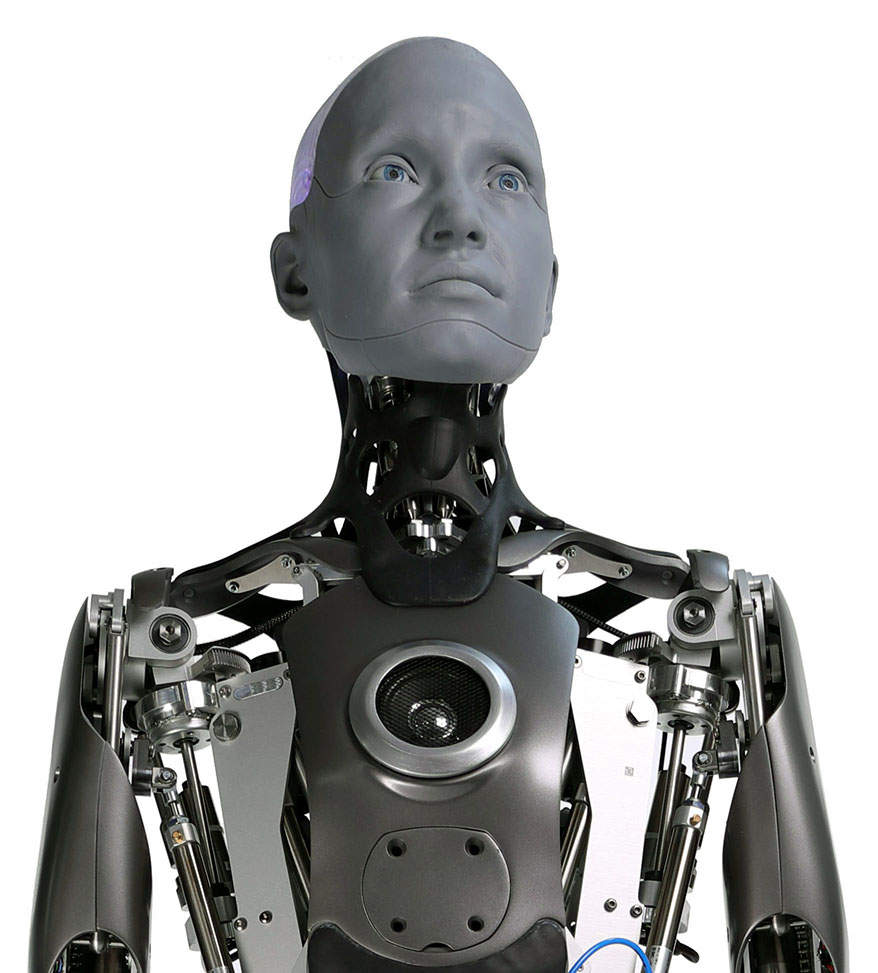
High-speed bipedal running is considered one of the “holy grail” problems in robotics. Above 50 km/h, each step’s flight and ground-contact phases compress to tens of milliseconds; the controller must estimate the center of mass, plan foot placement, and output joint torques within that window — any latency means a fall. Completing the race cleanly signals that actuator power density, real-time control algorithms, and whole-body coordination have simultaneously reached a new level.
The industry largely treats such athletic results as a stress test of engineering capability: extreme speed exposes hardware ceilings, while consistency reflects software maturity. Viral warm-up clips of robots losing control and crashing into barriers show that high-speed bipedal movement still sits at the edge of reliability — running fast once is easy; running fast every single time is the real skill.

An Industry Sprinting: Shipments Up 300%
Beyond the stadium, the humanoid industry is in unprecedented expansion. According to three separate research trackers, global humanoid robot shipments have reached nearly 30,000 units so far in 2026 — up 300% year over year. Unitree’s IPO was 8,000x oversubscribed and pushed its valuation to $50 billion, while Xiaomi is set to unveil its first humanoid robot at the 2026 World Robot Conference, targeting smart manufacturing and home integration.
Unitree founder Wang Xingxing goes further, predicting the industry will reach its “ChatGPT moment” within two to three years: robots placed in unfamiliar environments will complete most tasks from simple voice or text instructions. When that happens, athletic demonstrations will finally convert into mass-producible, deployable general-purpose labor.
A Sober View: The Gap Between Track and Task
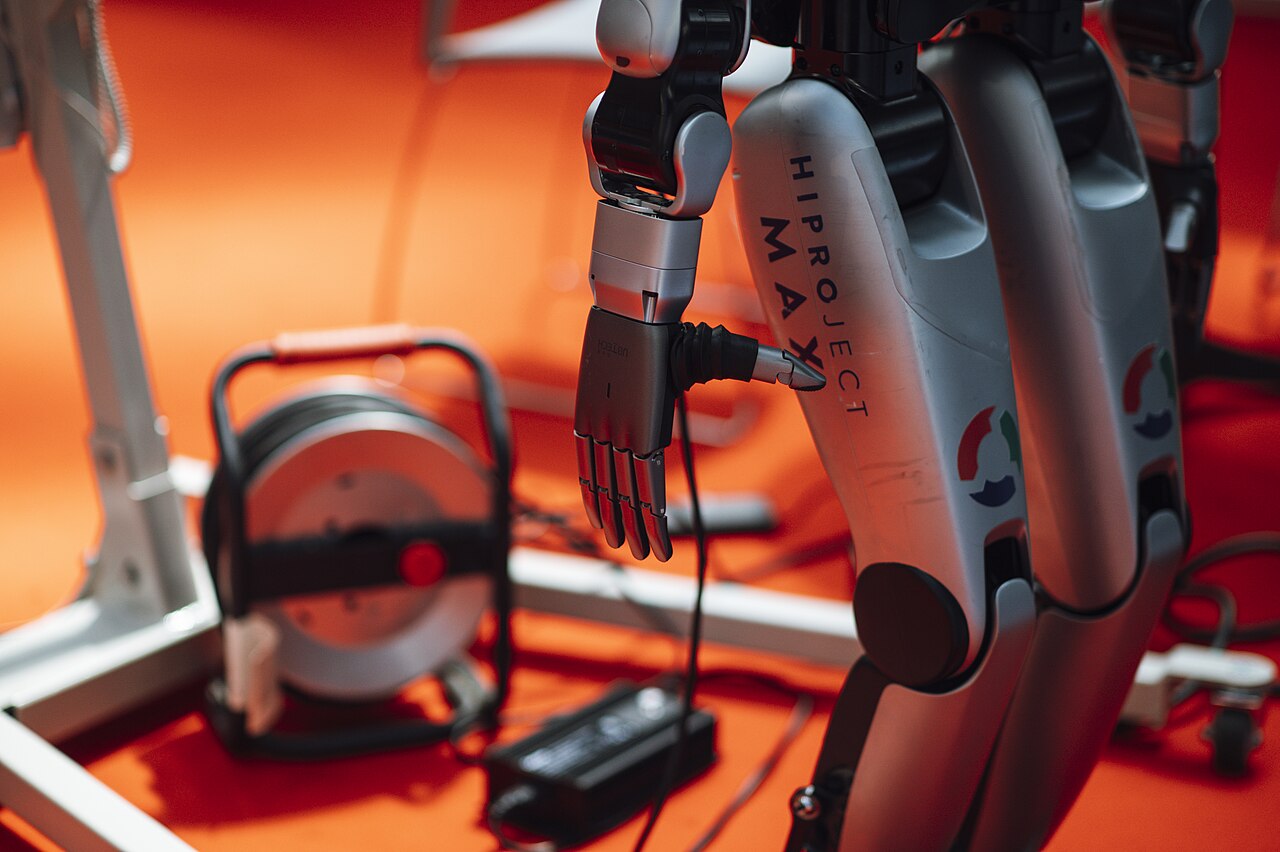
Analysts caution that racing conditions differ substantially from real work environments. The track is optimized, and the robots are tuned to the extreme for a single event; factories and warehouses demand hours of reliable operation, robustness against surprises, and controllable costs. Humanoids are now moving from viral videos to real jobs — a leap that is harder than beating Bolt, and far more valuable.
Conclusion
The significance of 9.32 seconds is not about when robots will compete in the Olympics — it marks that bipedal locomotion control has crossed a practical threshold. As hardware performance, AI brains, and manufacturing-cost curves converge, the timeline for humanoids to move from the track into factories, warehouses, and even homes may be shorter than most people expect. For investors and developers, this is the critical window to track reliability data and real deployment cases.