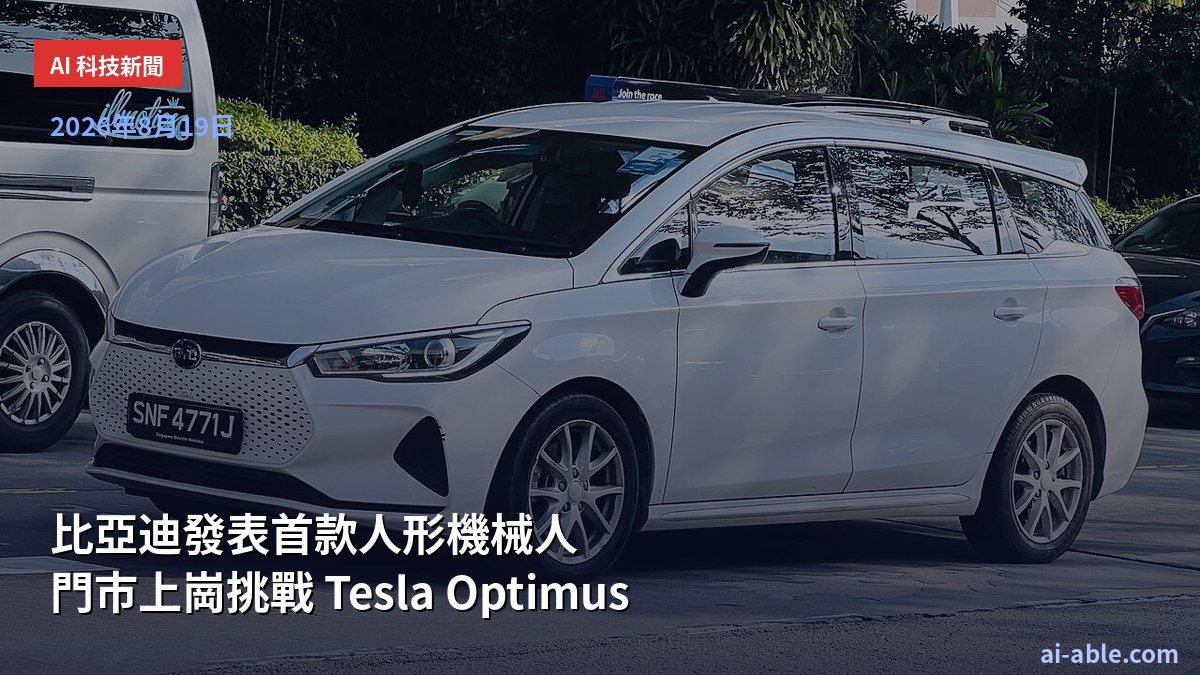
BYD, the world’s largest electric vehicle maker, officially unveiled its first humanoid robot on August 18, becoming the latest automotive giant to jump into the humanoid race. Reported to be named Xiao Di, the service robot will greet customers and present products at BYD’s Di Space experience venues — and the rival it has in its sights is none other than Elon Musk’s Tesla Optimus. The auto industry’s next war has officially shifted from electric vehicles to embodied AI.
From Batteries to Cars to Robots: BYD’s Third Reinvention
BYD’s history is a history of reinvention. In 1995, it started as a contract battery maker, winding lithium-ion cells for Nokia and Motorola handsets. In 2003, it carried that battery and manufacturing know-how into the car business — and two decades later it overtook Tesla as the world’s best-selling EV maker. Now in 2026, the same playbook is running again: projecting its expertise in batteries, motors, electronic controls and mass-production cost discipline onto an entirely new battlefield. What rivals fear most about BYD, analysts note, has never been a single product, but this manufacturing DNA — the ability to copy the capabilities of one business into the next.
Xiao Di Leads, but the Factory Is the Real Battlefield
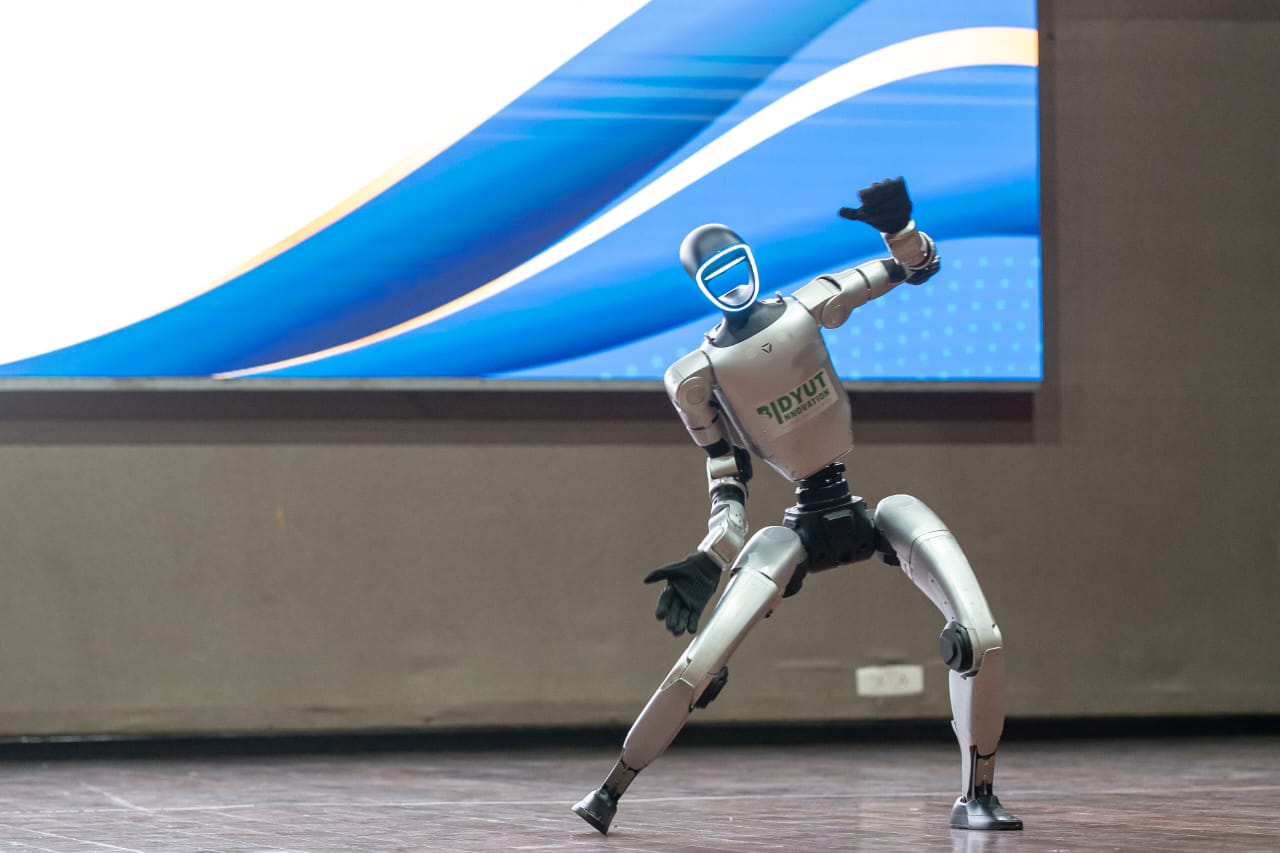
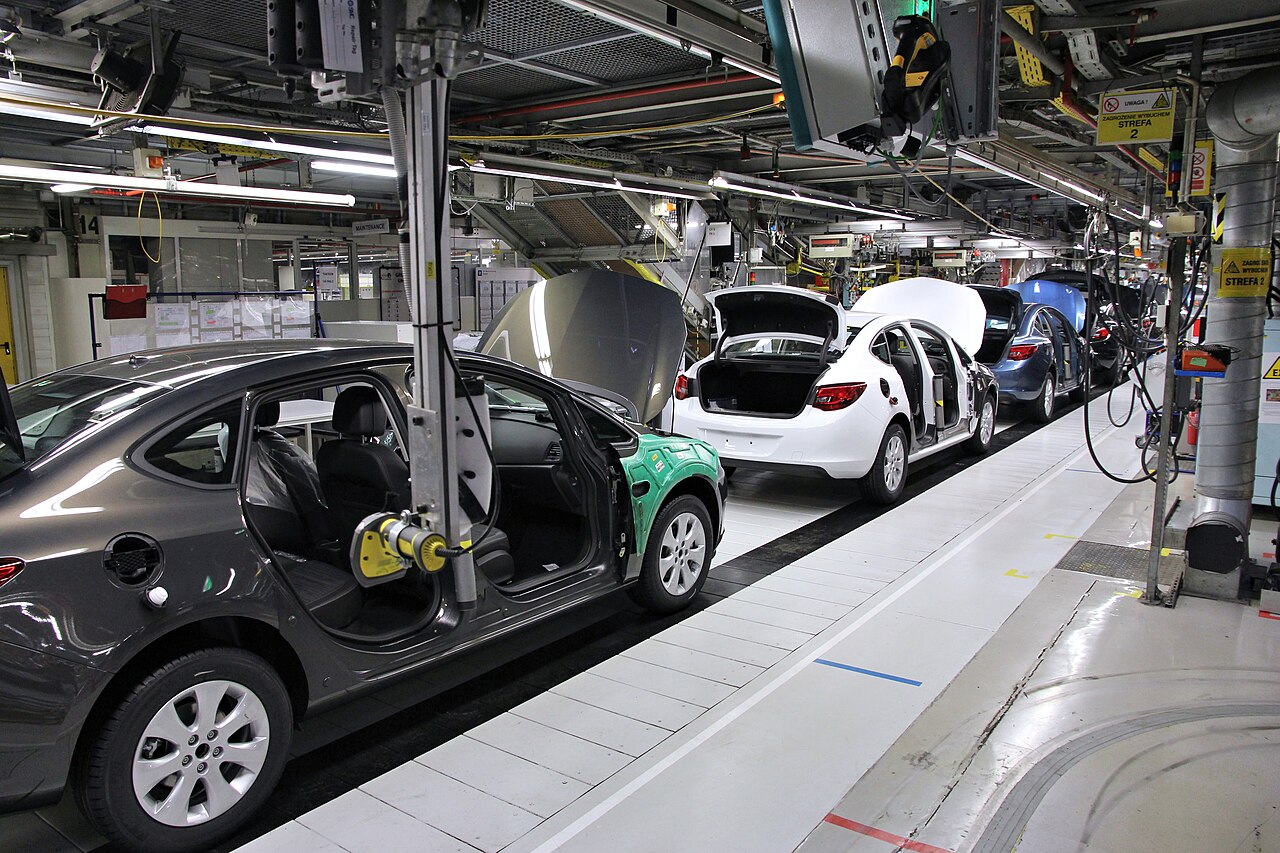
According to multiple media reports, the debut robot Xiao Di is positioned as a showroom service machine, greeting visitors and explaining vehicles at Di Space venues. But the showroom is only an outpost — BYD’s factories already operate one of the world’s largest humanoid robot workforces, deployed alongside domestic robotics partners to handle moving, assembly and quality-inspection tasks on production lines. For BYD, its own factories are the perfect research lab: real working conditions, real data and real cost pressure form a closed feedback loop that pure robotics startups simply cannot replicate.
Same-Week Rivalry: Tesla Optimus Enters Assembly
By coincidence, in the very same week that BYD unveiled its robot, reports emerged that Tesla’s Optimus humanoid has started assembly as production ramps up. The two EV giants of China and America are pushing embodied AI from concept videos onto the factory floor almost simultaneously. Musk has repeatedly claimed that Optimus will reshape global productivity and could eventually be worth more than the car business itself. BYD’s answer is characteristically manufacturing-minded: no rush to hype concepts — first put the robots to work in your own showrooms and production lines, and grind the cost curve down.
Chinese Automakers Are Pivoting to Embodied AI Together
BYD is not fighting alone. XPENG and other Chinese automakers are also accelerating humanoid commercialization, driven by a very practical reality: the EV price war has turned brutal, sales growth is slowing in some markets, and carmakers desperately need their next growth engine. Crucially, automakers hold exactly what robotics startups lack — supply chains, mass-production capability and real-world deployment scenarios. The bill of materials of an EV (batteries, motors, sensors, control systems) overlaps heavily with that of a humanoid robot, which is why a car company building robots can be far more cost-competitive than a robotics company building robots. That is precisely why Wall Street has started taking this crossover seriously.
Conclusion: The Race Enters Its Manufacturing Phase
Humanoid robots remain a long way from mainstream household adoption — battery life, dexterous manipulation, safety and after-sales service are all hard problems. But BYD’s entry signals that the scoring rubric of this race has changed: it is no longer about how slick your demo video looks, but about who can push costs down to a commercially viable level first. For investors and tech professionals, three indicators are worth tracking: the actual deployment count of BYD’s robots, the production yield of Tesla’s Optimus, and the speed at which Chinese supply chains drive costs down. The US–China robot showdown has only just begun.