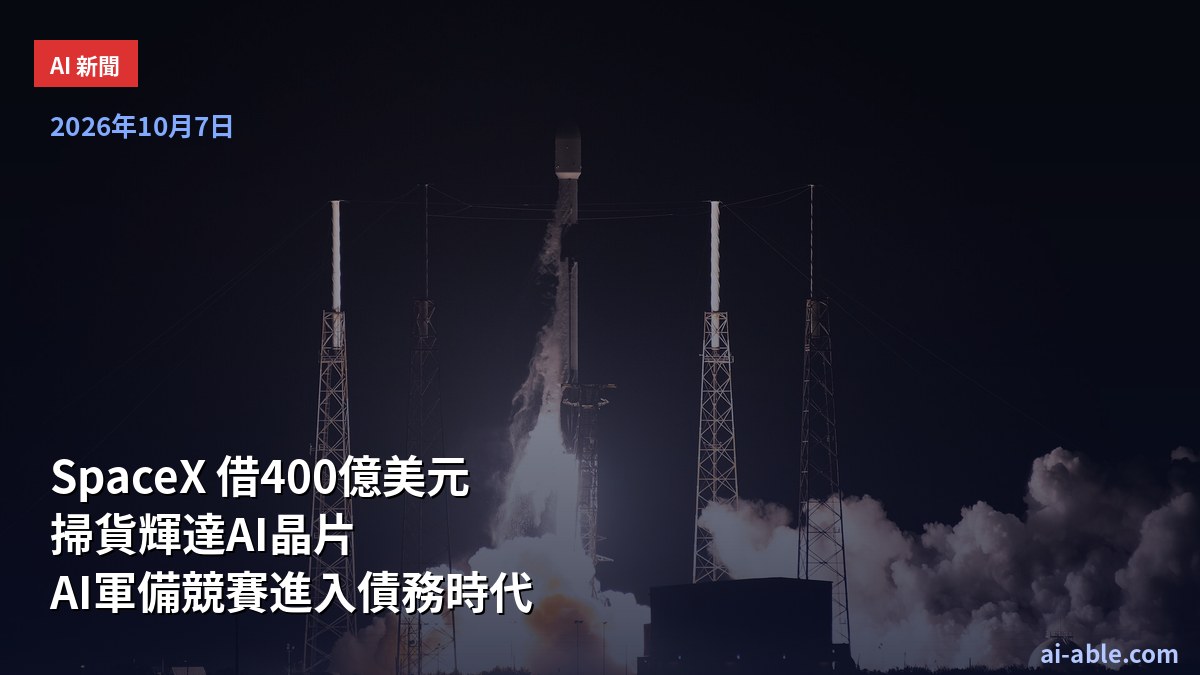
The Financial Times reported exclusively on October 6 that Elon Musk’s SpaceX is in talks with banks and investors to raise up to $40 billion in debt specifically to purchase Nvidia AI chips. The financing is led by asset management giant Apollo Global Management, with bond powerhouse Pimco among the lenders in talks, and the deal is expected to close in 2027. Following the report, SpaceX shares slipped about 1.2% in postmarket trading to $169.79, while Nvidia edged higher.
How the $40 Billion Is Structured
According to the FT and subsequent Reuters reporting, the financing comes in two layers: roughly $10 billion in bank loans and $30 billion in investment-grade debt, with Apollo leading the deal and helping place the bonds with a broad range of investors. Notably, the discussions are at an early stage and could still fall apart, sources cautioned. SpaceX, Nvidia, and Apollo did not immediately respond to requests for comment, while Pimco declined to comment.
Where the Chips Go: The Colossus Cluster
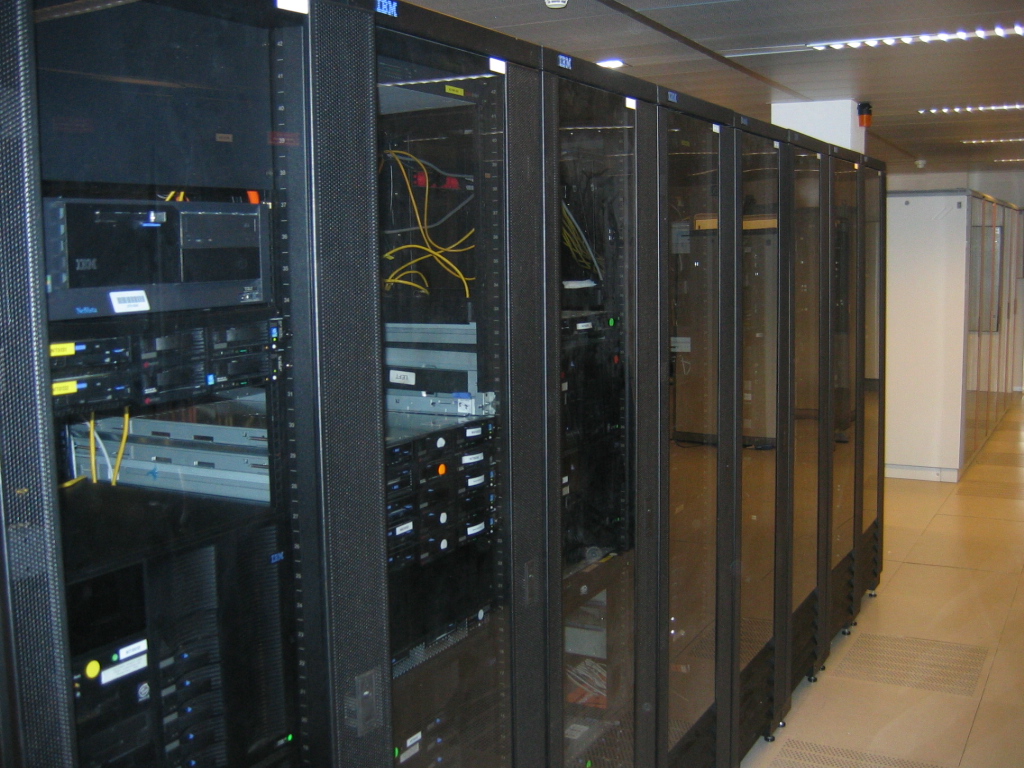
The chips are destined for SpaceX’s AI computing operations. SpaceX went public in June in a record IPO of roughly $86 billion, having absorbed Musk’s xAI business before listing, and now runs the Grok model through its Colossus data center campuses. Musk said last month that the Memphis-area Colossus 2 cluster currently runs 110,000 GB200 chips and 440,000 GB300s, with another 220,000 GB300s due to come online within weeks and 220,000 more expected in November — and he hinted the total Nvidia chip count could more than double by the end of 2026.
Crucially, SpaceX is not just building for itself: Colossus capacity is rented out to other AI developers, chiefly Anthropic and Alphabet’s Google. In other words, the $40 billion buys more than in-house compute — it funds a “compute landlord” business. SpaceX is positioning itself as the AI infrastructure provider of the space age.
AI’s Buildout Enters the Debt Era
The larger significance of this deal is a qualitative shift in how the AI buildout gets funded. Morgan Stanley estimates AI infrastructure will require up to $1.5 trillion in external financing by 2028. Nvidia itself partnered in August with Apollo, BlackRock, Blackstone, Brookfield, Goldman Sachs, and KKR on financing platforms aimed at mobilizing more than $500 billion for AI infrastructure — and SpaceX’s megadeal is one of the first flagship transactions to surface under that framework.
The ripple effects have reached macro markets: Goldman Sachs has cited surging corporate borrowing for AI investment as one factor behind the recent jump in US Treasury yields. With the 10-year yield above 5.3%, the pricing and absorption of jumbo issues like this one have become a bellwether for bond markets and tech stocks alike. The AI boom is increasingly propping itself up on leverage.
Why Is Musk Betting This Big?
For Musk, this is a familiar playbook of extreme leverage: from Tesla to xAI, every leap in his empire has come with jaw-dropping capital mobilization. SpaceX’s pitch is that it holds three cards at once — satellite networks, rocket launch capability, and AI compute — and that compute rental income (Anthropic’s potential spend of up to $84.5 billion, Google’s contract worth roughly $38.7 billion) can support the credit story behind the bonds. But the risk is equally blunt: if AI demand disappoints or Nvidia chip supply-and-demand reverses, this debt maturing into 2027 will become a heavy burden.

Conclusion: A Compute Gamble SpaceX Cannot Afford to Lose
SpaceX borrowing $40 billion to buy Nvidia chips looks like a procurement financing on the surface, but it is effectively a declaration that the AI race has entered a capital-intensive, heavily leveraged phase. When the most aggressive player chooses to pay for chips with investment-grade bonds, markets must start pricing a serious question: is this debt-fueled construction boom the foundation of a new productivity revolution, or the starting point of the next leverage cycle? For investors, the divergence — SpaceX shares slipping while Nvidia rose — reflects exactly how the market now prices “shovel sellers” versus “leveraged gold diggers.”