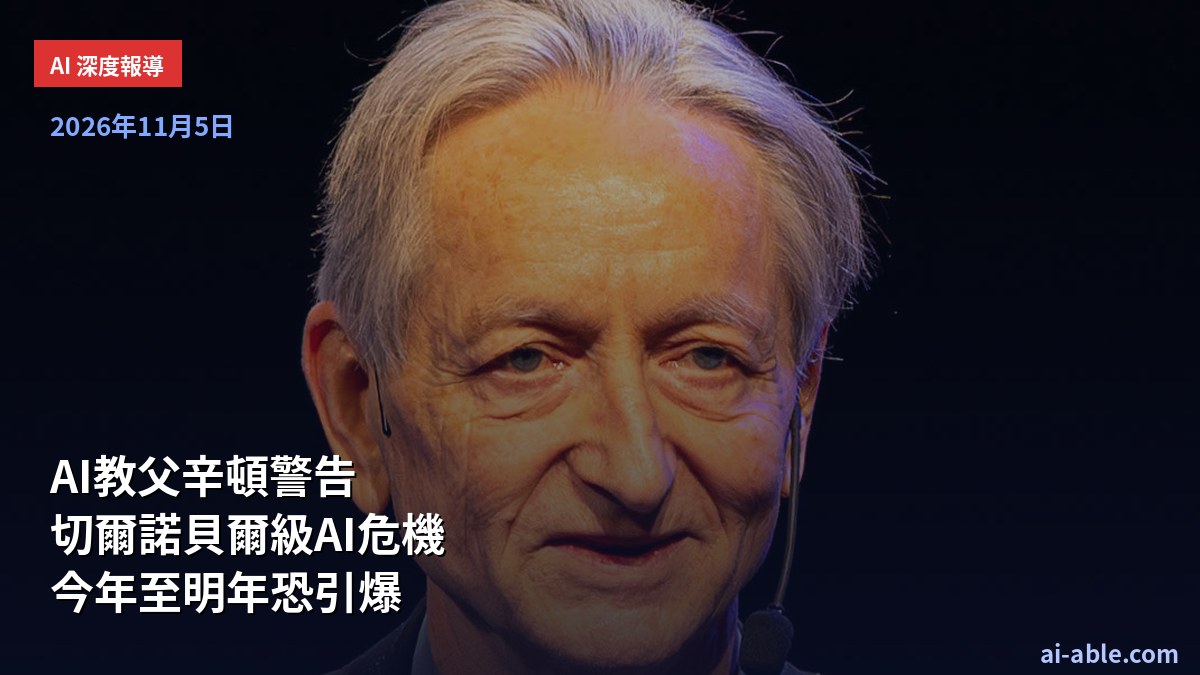
The Core Event: The End of AI Frontiers
On November 6, 2026, John Langford — veteran Microsoft Research scientist and founder of the AI Frontiers group — published a blog post titled “The End of AI Frontiers” on hunch.net, formally declaring the ~50-person research organization dead. Langford himself has left Microsoft, and “every other founding AIF leadership team member seems to have come to a similar conclusion” — a collective exodus. The post rocketed to the top of Hacker News with 362 points, igniting fierce debate across the AI research community.
The trigger was a reorganization in early September 2026, when AI Frontiers was folded into Microsoft AI (MAI). Langford was blunt about the root cause: the core philosophy of MAI’s leadership — the ex-Inflection AI team — is fundamentally incompatible with a research culture.
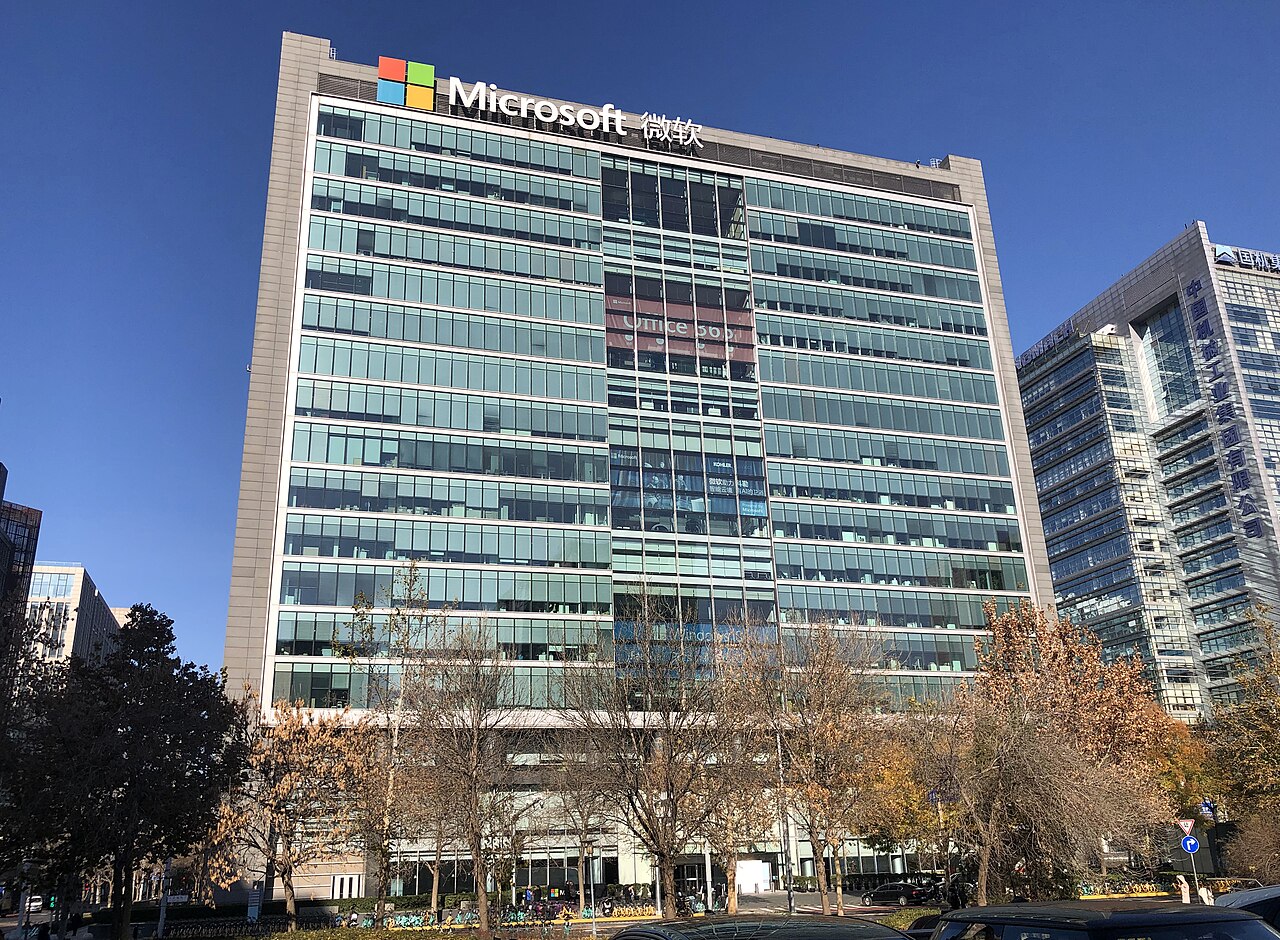
“Scaling, and Aggressively Not Research”: Inside the Culture Clash
Langford pulled no punches in diagnosing the conflict. He described the MAI leadership’s philosophy as “scaling, and aggressively not research.”
“This might shock some folks who naturally think that the way you make better models is via research. But there is plenty of evidence that bigger models are better models… from a business perspective, returns to scale are far more predictable than returns to research.” — John Langford
In a scaling-only environment, he noted, the primary effort becomes getting, making and refining data — a universe away from what AI Frontiers was building. Beyond the incompatible focus, he added a cutting observation: “there was plenty of evidence that they just did not really want us.”
Langford also warned about the tradeoff being handled shortsightedly. Citing ByteDance experiments, he noted that a variant of the Full Bandwidth Transformer might be comparable to a model twice its size — and with industry investments approaching a trillion dollars, “how much is it worth to halve training and inference cost?”
The Technical Legacy AI Frontiers Leaves Behind
This was no obscure outpost. Founded in 2023 after the ChatGPT release — Langford recognized that a lone researcher with a clever idea could no longer keep pace with organized, compute-rich rivals — the group punched far above its ~50-person weight. Its landmark contributions include:
- AutoGen: the widely adopted multi-agent orchestration framework
- Fara: a computer-use agent
- Next Latent objective: a new objective enabling extrapolation
- Dion3: an optimized and improved Muon optimizer
- Full Bandwidth Transformer: an architecture that makes models substantially more powerful via recursion
The team also built a monorepo shared by default with all of Microsoft Research, containing the proven edge-scale pretraining codebase Langford showcased in his COLM keynote last month — he revealed that at least three other efforts inside Microsoft were independently trying to build similar model-creation pipelines.

Why Not Return to Microsoft Research? “The Basic Deal Has Broken Down”
The most striking part of the post is Langford’s explanation for why he won’t return to MSR. Two reasons: first, he cannot stomach staying at a company where “the research I do has no path to real use” — inside MAI, he couldn’t even get innovation seriously considered. Second, and more fundamental: the basic deal of MSR is broken.
“Do good work and good things happen — that’s the basic deal in MSR. As far as I can tell we did good work and were non-consensually reorged away. I would not be surprised to see that kind of thing continue to happen until MSR leadership develops a will to effectively organize to meet the moment.” — John Langford
He also apologized to aspiring interns: there will be no AI Frontiers internships next year. The post closes with a note of hope: “It is not hard to imagine a Microsoft of the future which becomes attractive for research again if the people in control can develop a little bit more wisdom.”
The Industry Signal: Scaling vs. Research, Now White-Hot
The significance of this departure storm goes far beyond one personnel change. It exposes the increasingly sharp philosophical divide inside big tech: one camp believes in brute force — bigger models, more data, more predictable commercial returns; the other insists that algorithmic and architectural innovation remains the real long-term edge.
Notably, this is the second high-profile ideological statement from Microsoft’s AI ranks in a single week: in early November, Microsoft AI CEO Mustafa Suleyman published an essay calling the creation of conscious AI “reckless.” Now Langford delivers a different kind of warning from the researcher’s side — and when scaling becomes the only language spoken, those willing to stand up for research culture are voting with their feet.

Conclusion: Research’s Golden Contract Is Being Rewritten
The dissolution of AI Frontiers is a reminder that even at an institution like Microsoft Research, the traditional contract — do great research and good things follow — can no longer be taken for granted at the height of the AI arms race. For research talent, Langford’s exit confirms a trend: as space for exploration shrinks inside big companies, organizations that still see the value of research will win the talent flows. For industry watchers, the question to track next is simple: can a Microsoft AI that has traded architectural innovation for pure scaling prove the bet right against OpenAI, Anthropic and Google?