The Final Frontier of AI Computing: Google Sends TPU Chips to Space
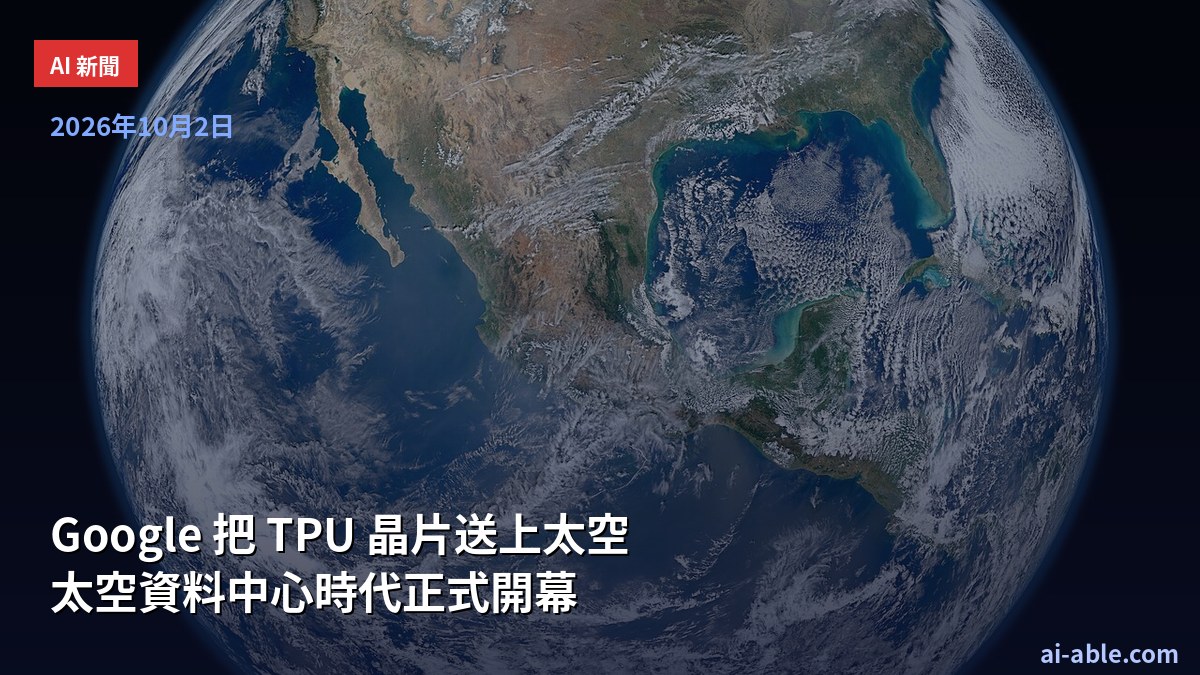
On October 1, 2026, Google pulled off something no one had done before: an experimental satellite carrying the company’s own TPU (Tensor Processing Unit) AI chips was launched into low Earth orbit atop a SpaceX rocket from California. It marks the first time Google has sent one of its advanced AI chips — the silicon that competes with Nvidia’s GPUs — into space, and the first concrete step toward its “Project Suncatcher” vision of space-based data centers. The battlefield for AI compute has officially extended from the ground to orbit.
The satellite, named MVP, was built by imagery company Planet Labs and carries four TPU chips. The mission’s goals are sharply defined: verify whether AI chips can operate reliably in space — whether they can receive a continuous 1 kilowatt of power, stay properly cooled, and actually run AI model inference tasks.
15-Minute Cycles: Solar-Powered Orbital Compute
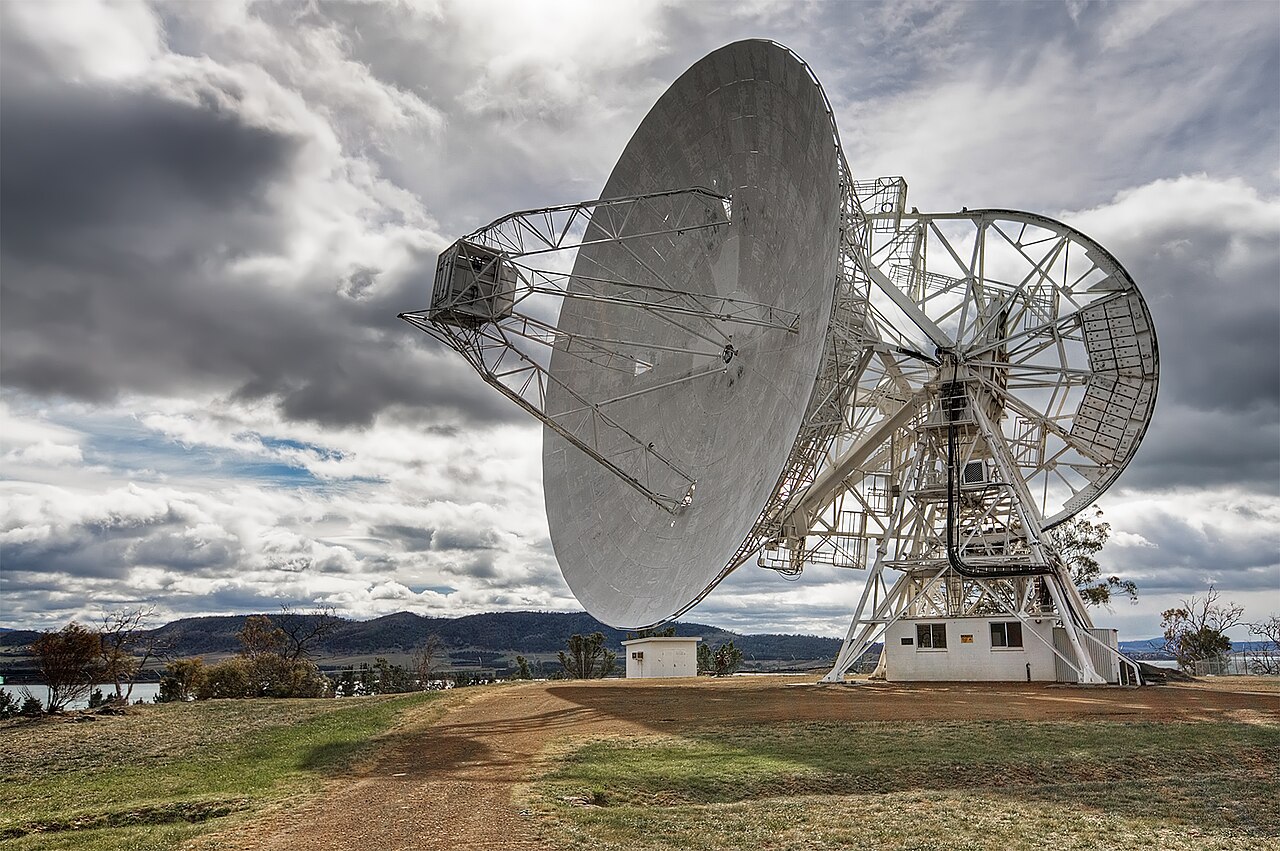
MVP runs entirely on solar power. Its panels supply roughly 1 kilowatt — about as much electricity as a hair dryer. To avoid overloading the power and thermal management systems, the TPU operates in 15-minute cycles: run for 15 minutes, power down to cool, then start again. Within each operating window, the chip communicates with Google’s Gemini AI to handle its assigned tasks.
According to Google’s calculations, solar generators placed in Earth orbit can receive sunlight almost continuously and generate up to eight times more electricity than comparable ground-based systems. That is the core allure of space data centers: freed from the constraints of land, power grids and cooling water, they can tap a nearly unlimited stream of clean energy directly from the cosmos.
50-100g Shakes and Radiation: Getting There Is Only Half the Battle
Reaching orbit is never easy. The ride up takes about 10 minutes, during which the TPU chips endure violent vibration and roughly 50-100g of force. Google’s team put the hardware through rigorous three-axis vibration tests and used the proton beam facility at the University of California, Davis to simulate space radiation. The company said both experiments returned “better-than-expected” results.
Still, no ground test can fully replace the real thing. Google’s updated research suggests chips will “likely” withstand space radiation and handle typical AI tasks over a satellite’s five-year service life — but for large-scale model training, which requires thousands of processors running continuously for months, radiation-induced bit-flip errors remain a serious risk. That is precisely the core question this orbital test is designed to answer.
An 81-Satellite Constellation and 1,800 Starship Launches
MVP is only the beginning. Next year, Google plans to launch two more purpose-built computing satellites for a two-spacecraft demonstration mission, connected by laser communications links. The long-term blueprint calls for a constellation of more than 80 satellites flying in formation and communicating with one another to perform AI computations — and eventually, custom data-center satellites as large as a soccer field.
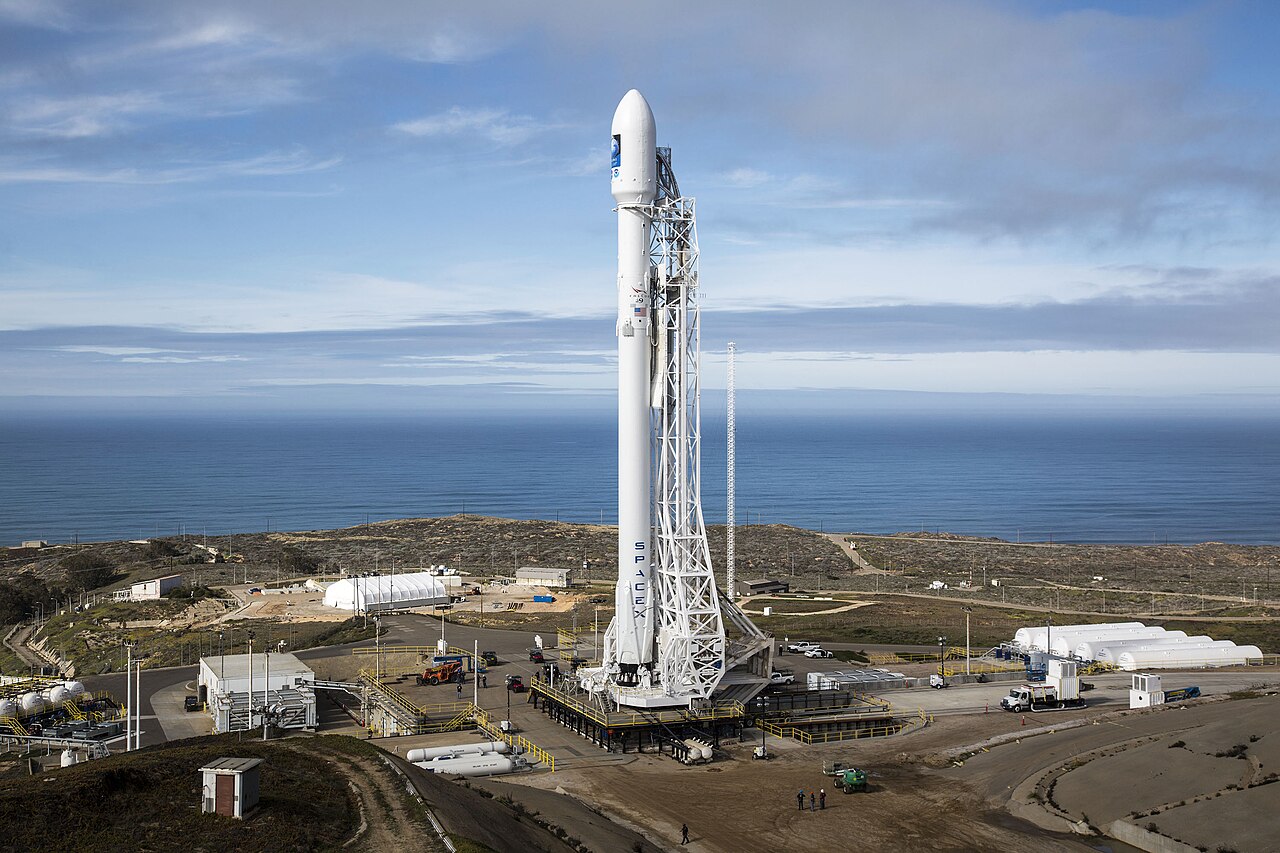
The biggest bottleneck in this whole vision is not the chips — it’s launch cost and cadence. Google estimates that by 2035, the cost of launching cargo to space needs to fall to around $200 per kilogram. That would require Starship to carry about 370,000 tons of cargo into orbit — roughly 1,800 launches over ten years at 200 tons per flight. Starship currently launches no more than five times a year, leaving a gap of two orders of magnitude.
“In the near future, people will think nothing of the fact that the questions they ask Gemini are being processed in space,” said Travis Beals, senior director and head of Project Suncatcher at Google. The company expects that as launch costs keep falling, building and operating space data centers will become roughly cost-competitive with terrestrial facilities by the mid-2030s. Even Elon Musk has publicly shared his thoughts on space-based computing infrastructure — SpaceX’s Starlink and Starship stand to be among the biggest beneficiaries of this new race.
Conclusion: The Next Stop in the Compute War Is Orbit
AI’s demand for compute is growing exponentially, and ground-based data centers are straining against the triple constraints of land, power and cooling. With this launch, Google is testing far more than a chip’s durability — it is testing the viability of a paradigm shift: the solar-powered space data center. If 15-minute operational cycles, radiation tolerance and laser interconnects are validated step by step, having your AI questions answered from space could genuinely become routine within five years. For developers and enterprises, the signal worth watching is clear: the geographic boundary of compute supply is dissolving. After the cloud, the next battlefield is orbit.