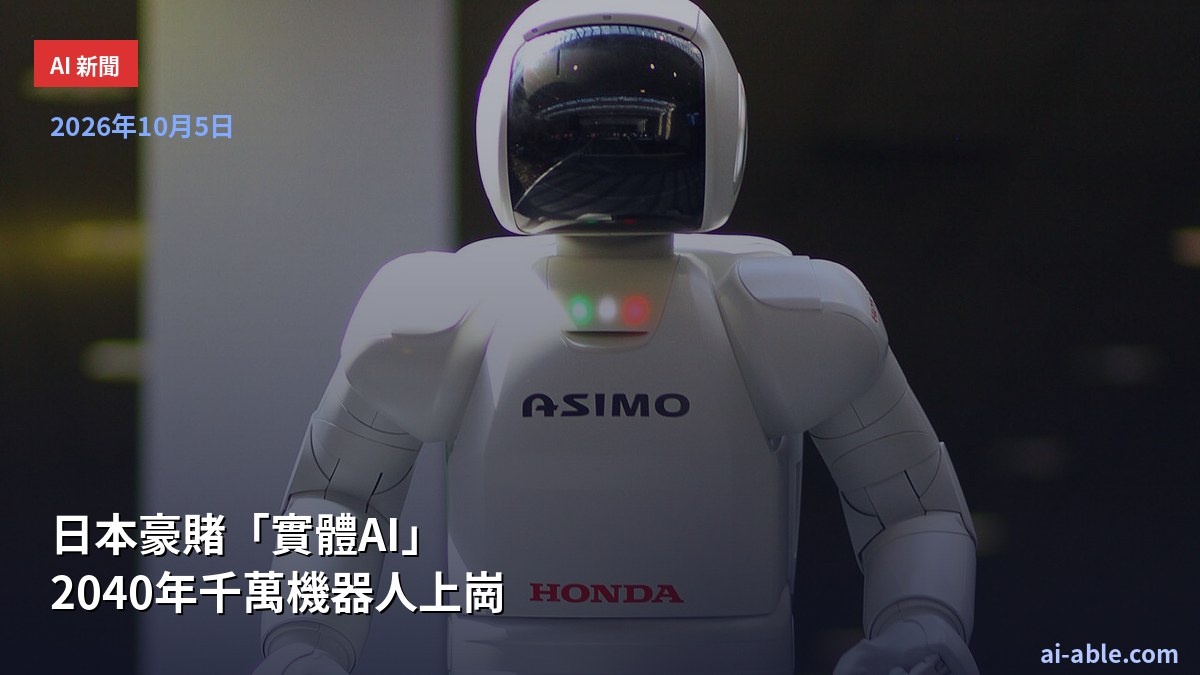
While the global AI race remains fixated on chatbots and generative models, Japan has chosen a radically different path: putting AI inside robot bodies and putting them to work. The Japanese government has formally revised its national AI robotics strategy, targeting the deployment of 10 million AI-powered robots across 18 industries by 2040 — the largest national robotics mobilization in the country’s history.
At the heart of the plan sits Noetra, a new consortium commissioned by the Ministry of Economy, Trade and Industry (METI) and innovation agency NEDO, tasked with building Japan’s own “physical AI” foundation model — a multimodal AI system that processes language, images, video and sensor data together, allowing robots to interpret real-world environments and act within them. The consortium is majority-owned by SoftBank, NEC, Sony Group and Honda, with Fujitsu and Rakuten reportedly considering joining. It is expected to grow to 44 affiliated companies spanning logistics, finance, electronics and automotive sectors.
The 10-Million Robot Goal: A Demographic Survival Plan
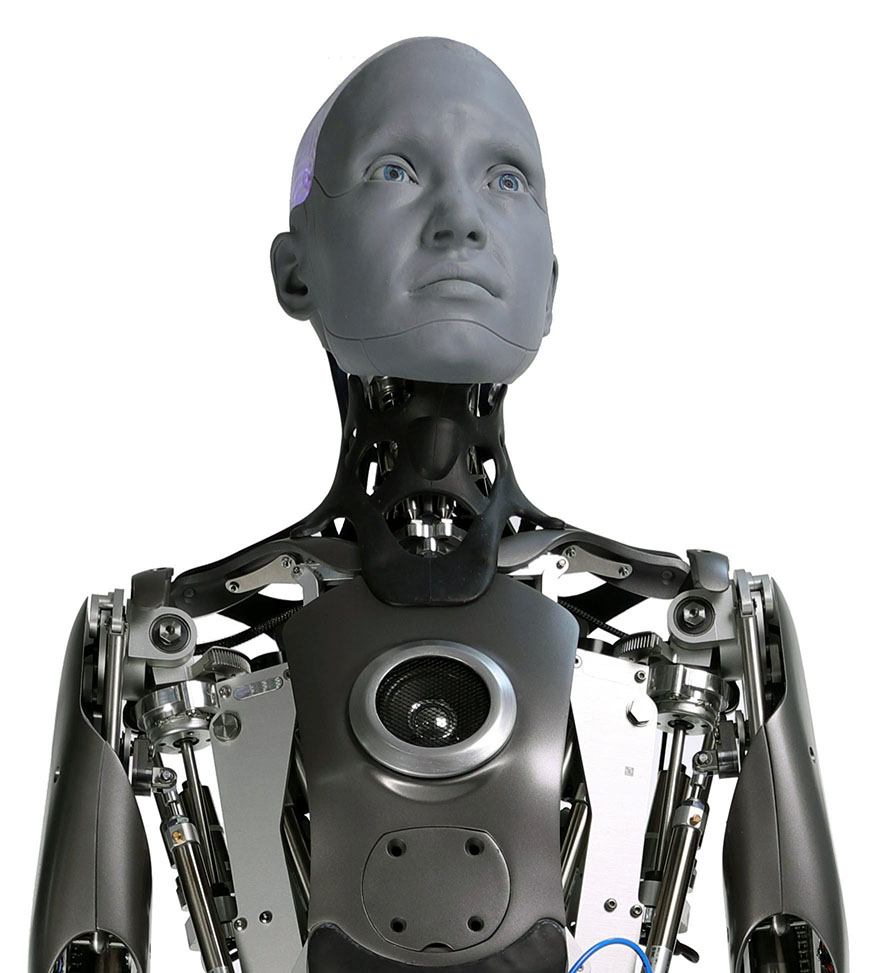
Japan isn’t chasing robotics because it’s trendy. It’s doing it because the country is running out of workers — and has been for decades. About 30% of Japan’s population is 65 or older, the highest share of any country on Earth. The working-age population peaked in 1995 and has fallen roughly 16% since, dropping to 73.7 million by 2024. According to the Recruit Works Institute, Japan could face a shortfall of more than 11 million workers by 2040.
Immigration hasn’t filled the gap. Foreign residents make up roughly 3% of Japan’s population — among the lowest shares in the OECD — and the roughly 2.3 million foreign workers in 2024 are a drop in the bucket against an 11-million-person hole. Economy Minister Ryosei Akazawa framed the “winning strategy” as “the utilization of accumulated data” — a survival play, not a tech competition. Decades of operational data from elderly care, disaster zones and the Fukushima Daiichi decommissioning give Japan an edge that is hard to replicate: real-world data, not simulated environments.
18 Industries, Three Deployment Waves: Care and Food Are the Battlegrounds
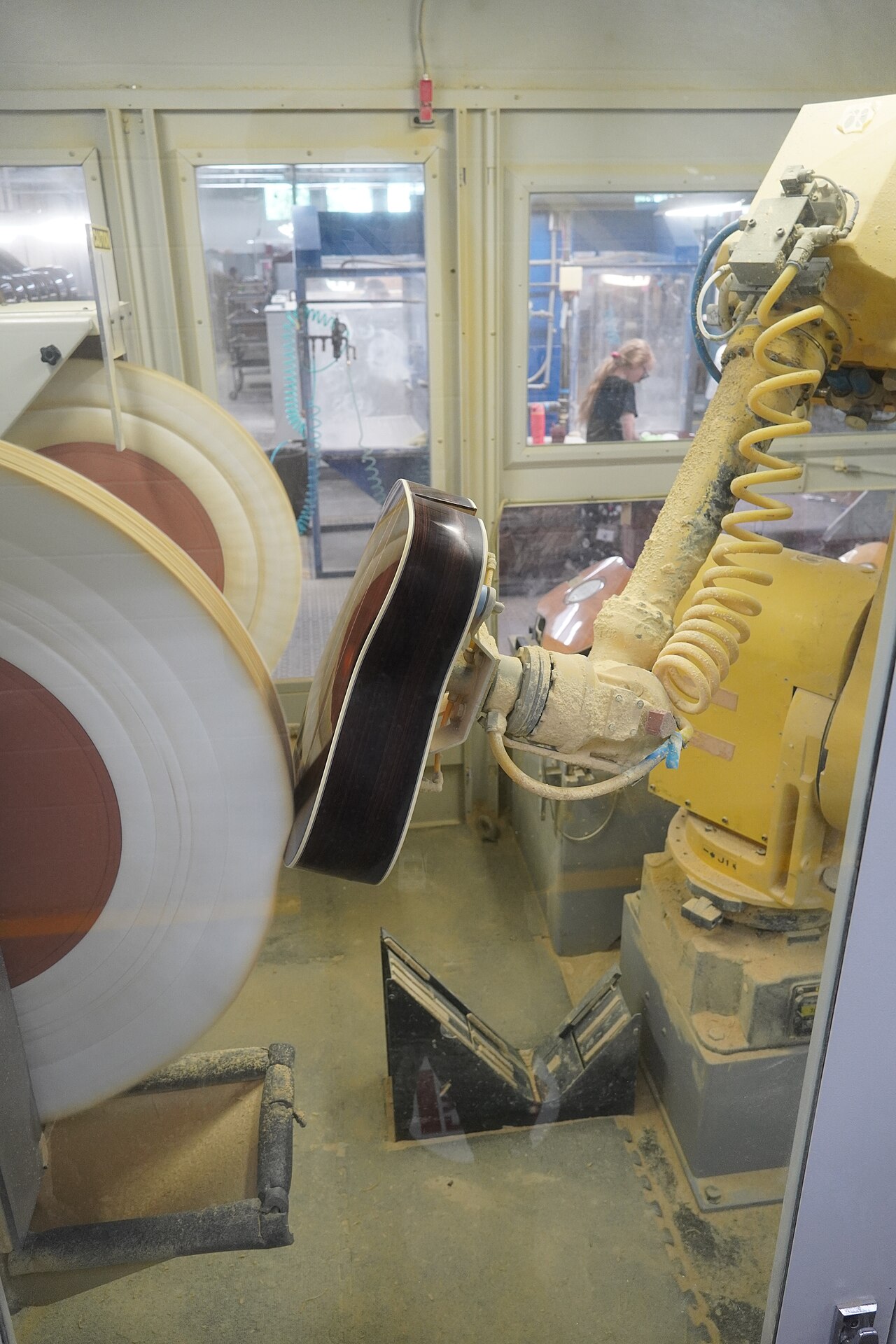
The revised strategy covers 18 fields, with food manufacturing, restaurants and medical care joining already-prioritized sectors such as elderly care, disaster response and manufacturing. Key deployment targets include:
- Nursing and elderly care: patient monitoring, mobility support and routine tasks in care facilities
- Food and beverage manufacturing: automated preparation, packaging and quality control
- Disaster response: building on robotics experience from the Fukushima cleanup
- Manufacturing and logistics: extending industrial automation into mid-size companies
Notably, nursing and food are precisely where robots have historically struggled — messy, unpredictable environments where picking up a box in a warehouse is worlds apart from assisting an elderly person who has just fallen. If Noetra can crack these use cases, it will matter more than any factory deployment.
The Asia Robotics Arms Race Is On
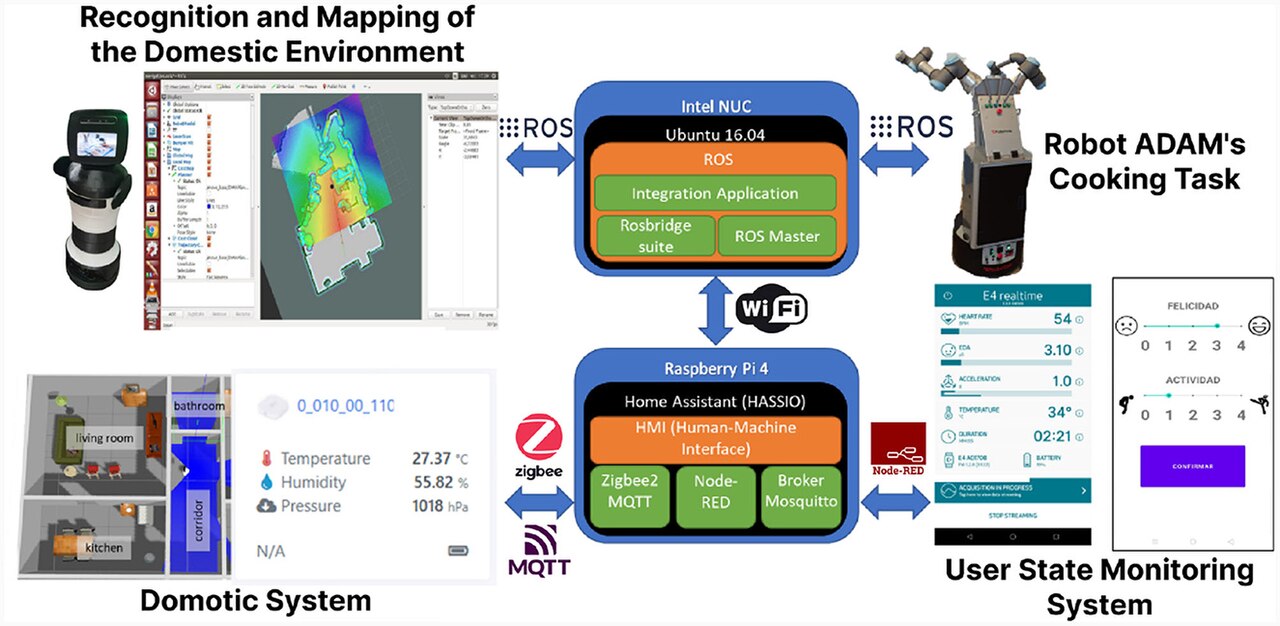
Japan’s announcement didn’t happen in a vacuum. Within days, South Korea unveiled an $880 billion national tech plan spanning semiconductors, AI data centers and humanoid robots — targeting commercialization of humanoid robots in 10 major industries by 2028 and raising its global humanoid market share from 1% to 20%. Hyundai plans to produce 30,000 Atlas robots annually by 2028 through Boston Dynamics. China, meanwhile, has aggressively funded its humanoid industry, with Agibot and Unitree already deploying robots at trade shows and test sites. Goldman Sachs Research projects that Korean supply chains alone could support around 74,000 humanoid units by 2030.
Three distinct philosophies are colliding: Japan’s shared-AI-model-for-purpose-built-robots approach, South Korea’s hardware-centric strategy, and China’s mass-production model. Whether Japan’s consortium model can move fast enough is the central question — the country’s track record with public-private tech ventures is mixed.
Can Japan Actually Hit 10 Million?
Ten million robots sounds enormous, but context matters. Japan already operates roughly 400,000 industrial robots — one of the densest deployments globally. Reaching 10 million in 14 years means roughly 700,000 new units per year; for comparison, the entire global professional service robot market shipped about 180,000 units in 2024. The funding structure offers flexibility: up to ¥1 trillion over five years, contingent on Noetra hitting its milestones — a stage-gate design that lets Tokyo walk away quietly if progress stalls. The real test isn’t the 2040 target; it’s whether Noetra can release a usable model by the end of fiscal 2026.
International research collaborations with institutions in the US, Canada, France and the UK have been confirmed, and the resulting AI model will reportedly be made available broadly to Japanese developers and businesses — with some companies planning to use it as a foundation for entering foreign markets.
Conclusion: Demographic Math Doesn’t Lie
The 10 million target feels aspirational rather than precise — but aspirational targets serve a purpose in Japan’s industrial policy, mobilizing corporate investment and signaling long-term government commitment. Even hitting half the target would transform how Japan delivers healthcare, food services and manufacturing. The plan deserves serious attention not because 10 million is guaranteed, but because the demographic math behind it is inescapable. Whether AI-powered robots replace workers or fill gaps humans can’t will define how this story plays out over the next decade.