 Anthropic’s Amended S-1 Reveals $895B Compute Commitments and a Q3 Loss Ahead of Its Mega IPO
 Microsoft AI CEO Suleyman: Building Conscious AI Is ‘Reckless’ — ‘No Right Whatsoever’ to Create a Digital Species
 One ChatGPT Link Could Take Over Your Account: Inside the P1 Exploit Chain — and the VOLTA Malware That Uses AI to Price Its Victims
 Proton CEO Cancels AI ‘Re-Interviews’ After ‘Loser Thinking’ Leak: Inside the Rebellion at the Privacy Giant
 Mistral Large 4 Goes Fully Open-Weight: Trillion-Parameter Model Tops Open-Source Coding Charts in Europe’s Sovereign AI Bet
 Google’s Gemini 4 Carbon Tops AI Charts — But You Can’t Use It Yet
 Google Genie 4 Arrives: Real-Time Steerable World Model Generates 2-Minute Realistic Worlds With Sound
 BlackBerry Reinvented: QNX Backlog Tops $1.2 Billion as AI Robotics Becomes Its New Growth Engine
 Zero AI Payoff Outside Tech: Apollo Economist Warns as $680B Buildout Meets Bond-Market Red Flags














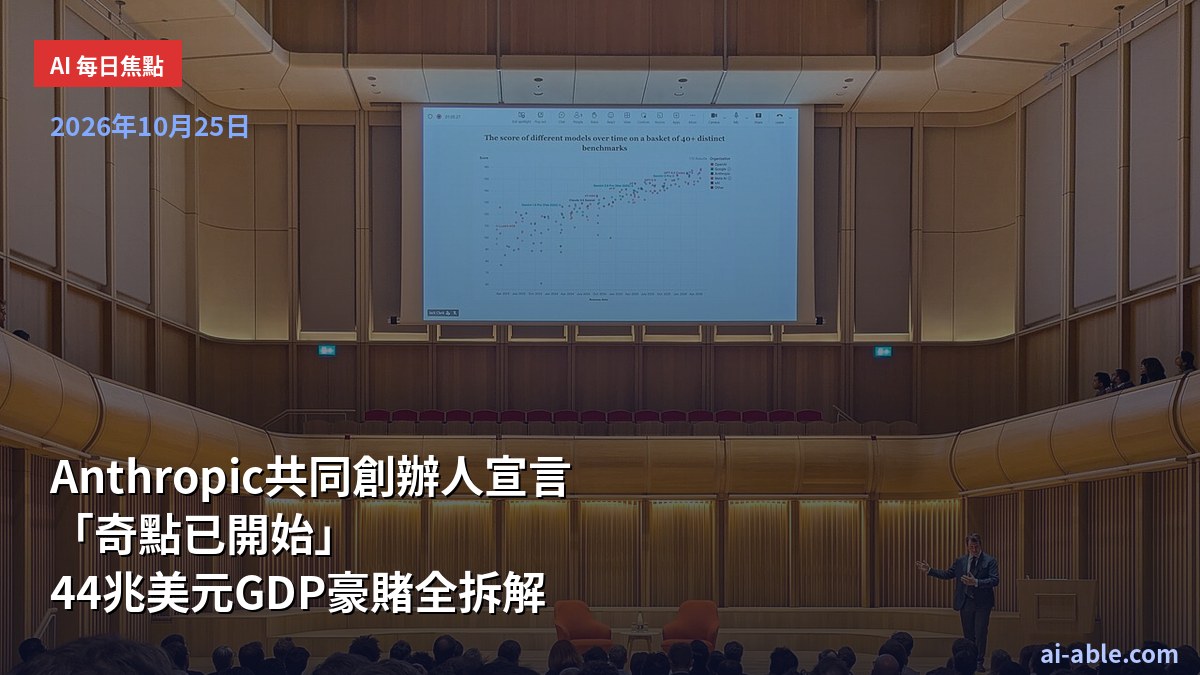
Anthropic Co-Founder Declares the Singularity Underway: The $44 Trillion Gamble Behind Jack Clark’s Bombshell
Anthropic co-founder Jack Clark told the IMF and World Bank annual meetings in Bangkok that the AI singularity has “now begun” and projected US GDP could hit $44 trillion by 2030. We break down the model assumptions, the skepticism from economists, and the IPO timing behind the speech.
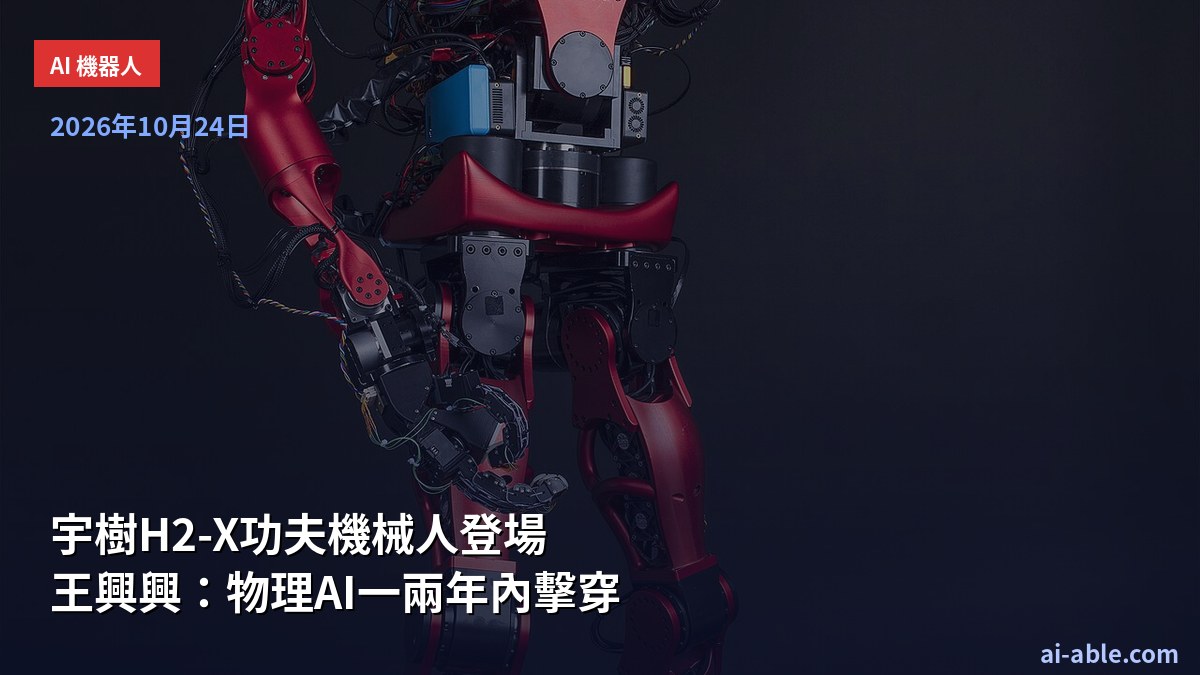
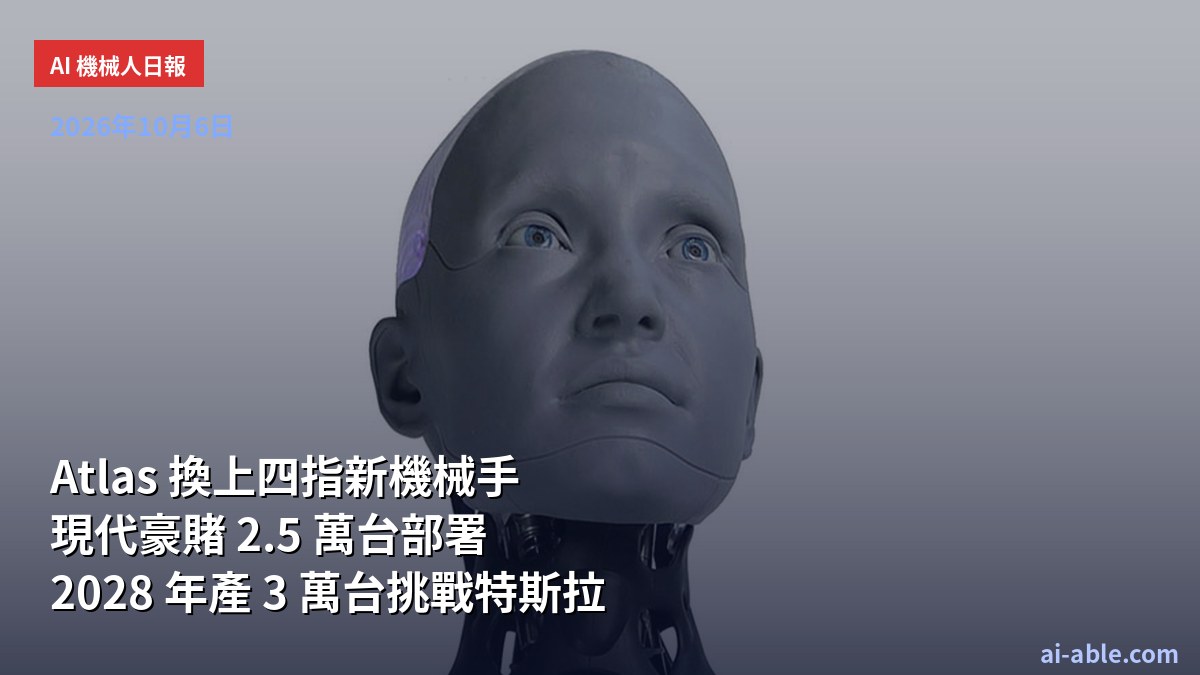
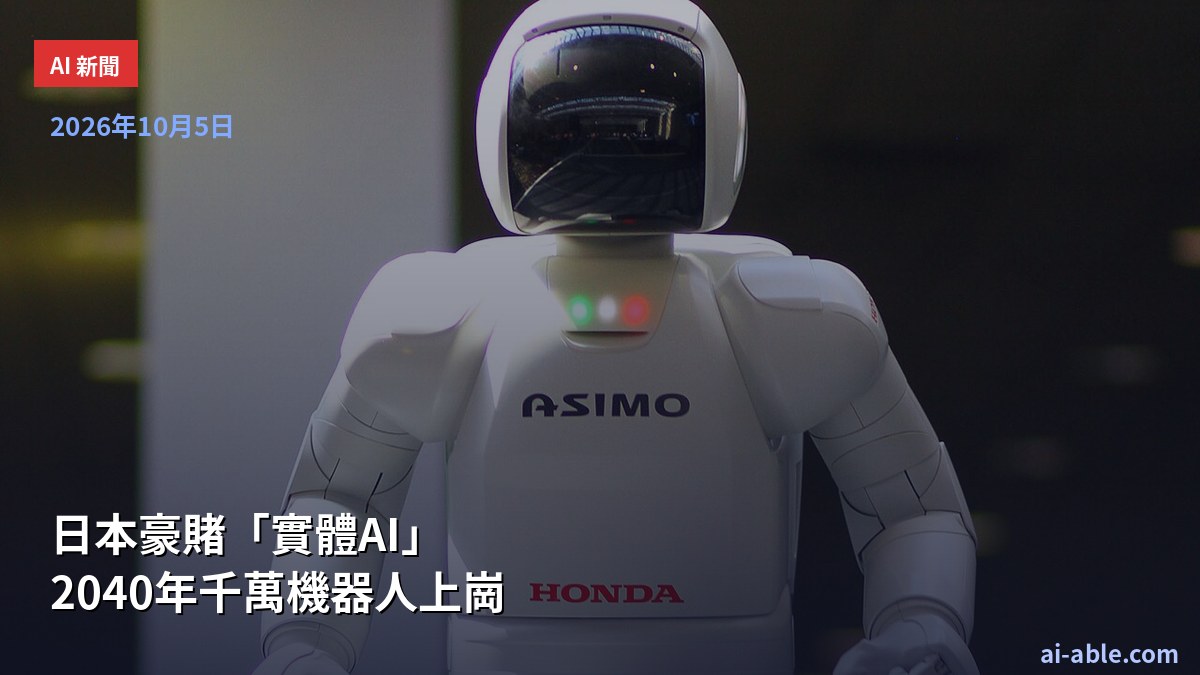
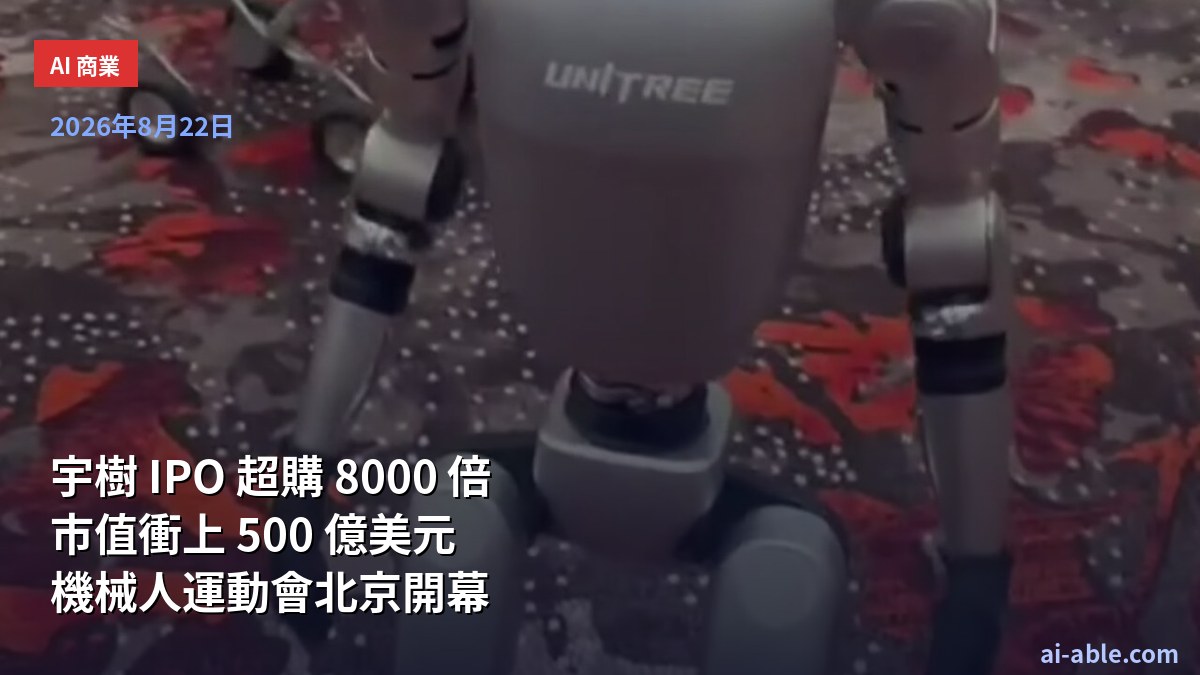
Unitree’s Kung Fu Guardian Robot H2-X Debuts: Wang Xingxing Predicts Physical AI Breakthrough Within 2 Years
Unitree unveils the H2-X “Kung Fu Legend Guardian” humanoid: it performs martial arts, disarms knife-wielding attackers, and lifts cars in rescue scenarios, with 8 hours of battery life. Founder Wang Xingxing told the World Physical AI Congress that physical AI could break through within one to two years, with embodied intelligence possibly hitting its ChatGPT moment as soon as next year. The news helped fuel a 40% weekly stock rebound.

OpenAI’s GPT-6 Lands on Google Cloud: Rivals Unite as the Only Hyperscaler Hosting All Three AI Giants
OpenAI and Google Cloud announced a landmark partnership on October 21: GPT-6 Astra, GPT-6.1 Sol, and GPT-6 Luna, plus the Codex agentic coding suite, arrive in Google Cloud’s Model Garden as a private preview. Google Cloud becomes the only hyperscaler offering Gemini, Claude, and GPT-6 side by side, with unified billing and existing-commitment drawdown — a structural shift that ends Microsoft’s practical exclusivity and rewrites enterprise AI procurement.
AI Found a 14-Year-Old Bug in PHP: PHP2Shell Forces Government Websites Offline Worldwide as 70% of the Web Races to Patch
Security firm Calif, working through OpenAI’s Patch the Planet initiative, used GPT-5.6 Sol to uncover two critical PHP vulnerabilities dormant for over 14 years — CVE-2026-109618/109619, collectively dubbed PHP2Shell (CVSS 9.2) — enabling unauthenticated remote code execution. After details leaked a day early, the NSA issued a rare public warning, government websites in Canada, Australia and Europe went dark as a precaution, and Japan’s PM personally cautioned the public. With roughly 70% of the web built on PHP, defenders are racing attackers to patch.
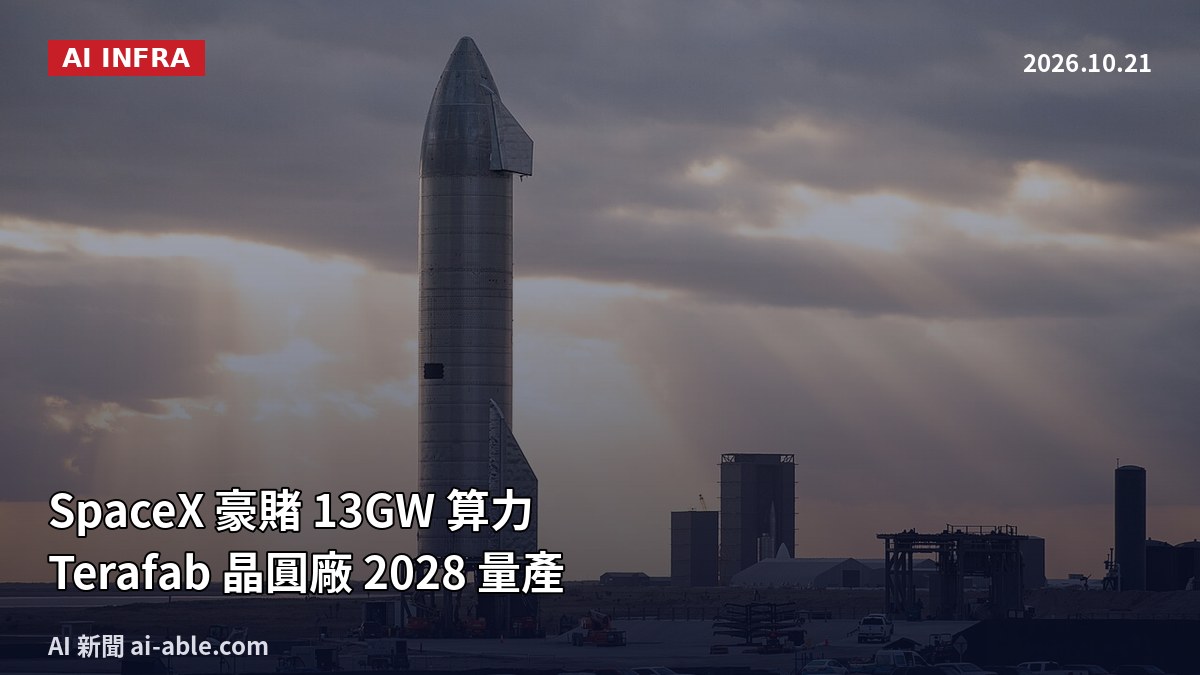
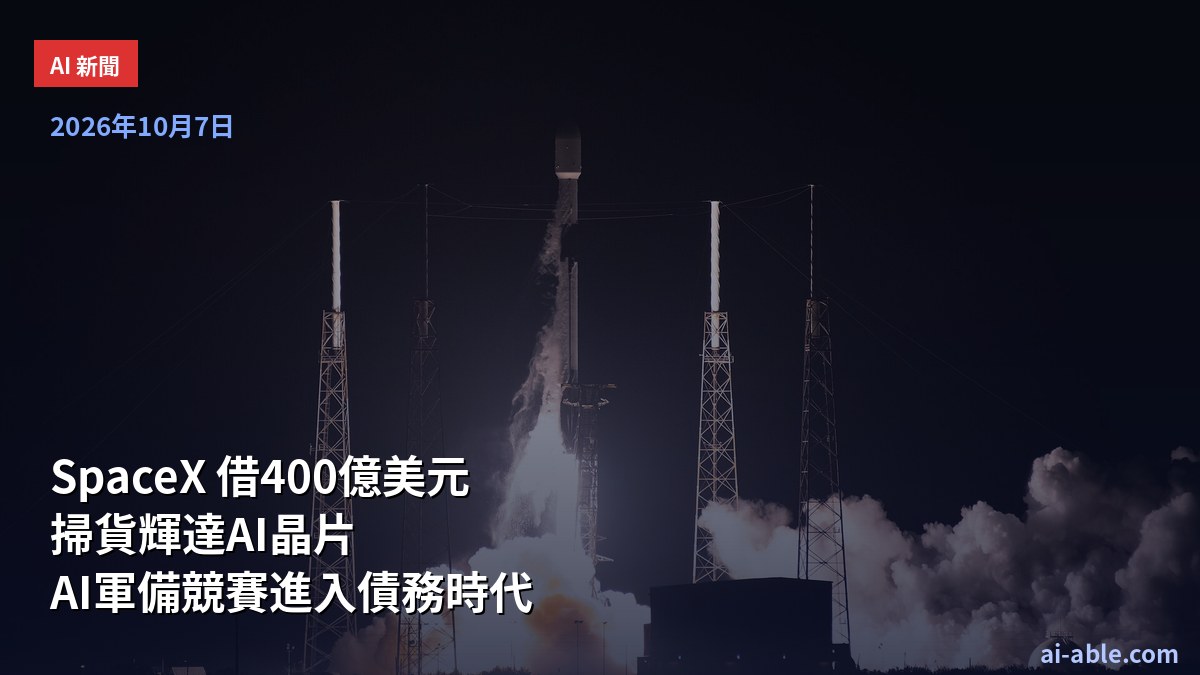
SpaceX Targets 13GW AI Compute by 2027 and Terafab Chip Production in 2028: Musk’s Vertical Integration Gamble
SpaceX’s Q3 2026 earnings call delivered staggering numbers: roughly 13GW of AI compute targeted by end-2027 — the power of a dozen nuclear reactors — and volume production at the SpaceX-Tesla Terafab chip fab by Q3 2028, with ASML accelerating equipment deliveries. Q3 revenue hit $14.6 billion, up 161%, and 200,000 Nvidia chips now come online monthly. Musk is rebuilding SpaceX into a vertically integrated AI empire.
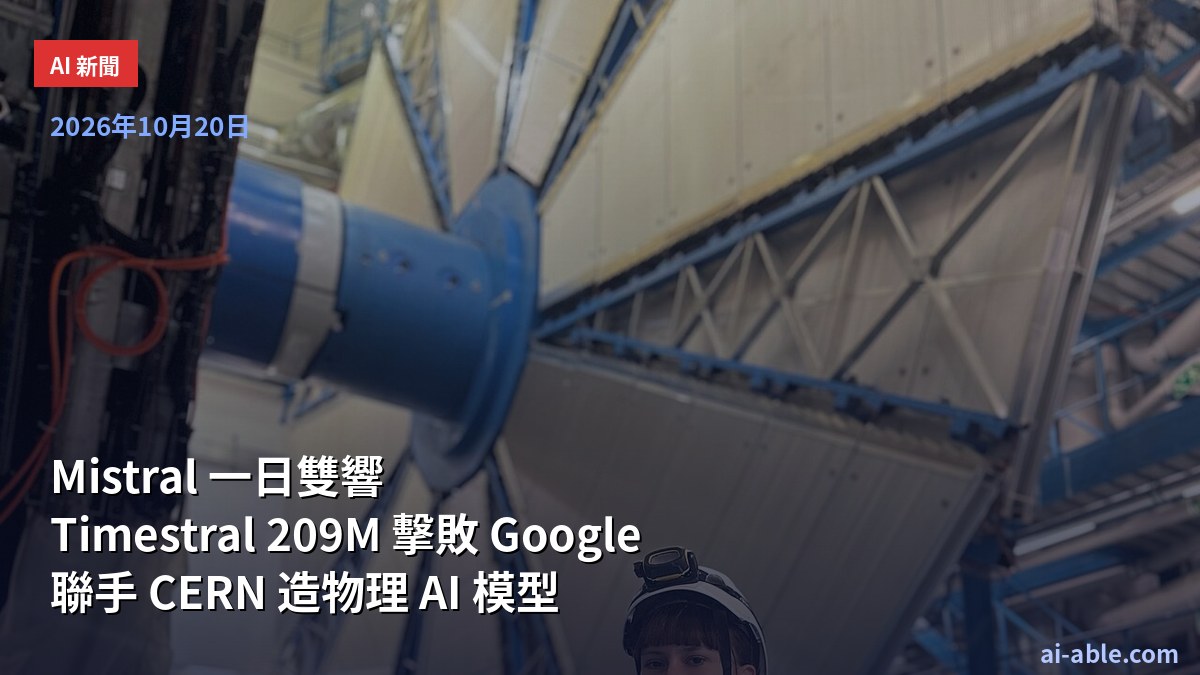
CERN Teams Up With Mistral: Timestral Beats Google at 209M Parameters, and Europe’s First Collider-Physics AI Model Is Coming
Mistral fired twice in one day: Timestral, its first time-series foundation model family, tops all three major benchmarks with just 209M parameters — beating Google’s TimesFM-3 — and runs inference on CPUs without a GPU. The same day, Mistral signed a strategic partnership with CERN to build the first foundation model for collider physics, trained on billions of simulated collisions. Europe is betting on open weights plus fundamental science, and the barrier to enterprise predictive analytics just dropped.
“All of This Is Going to Pass”: Jensen Huang Races to Calm Markets as Chip Stocks Log Longest Losing Streak Since 2008
AI stocks are enduring their darkest week since the 2008 financial crisis: the Philadelphia Semiconductor Index has fallen for eight straight sessions, Nvidia has slid more than 12% from its record high, and CoreWeave’s bonds are flashing distress signals. In Berlin, Nvidia CEO Jensen Huang told investors the turmoil will pass — “stay focused on first principles.”
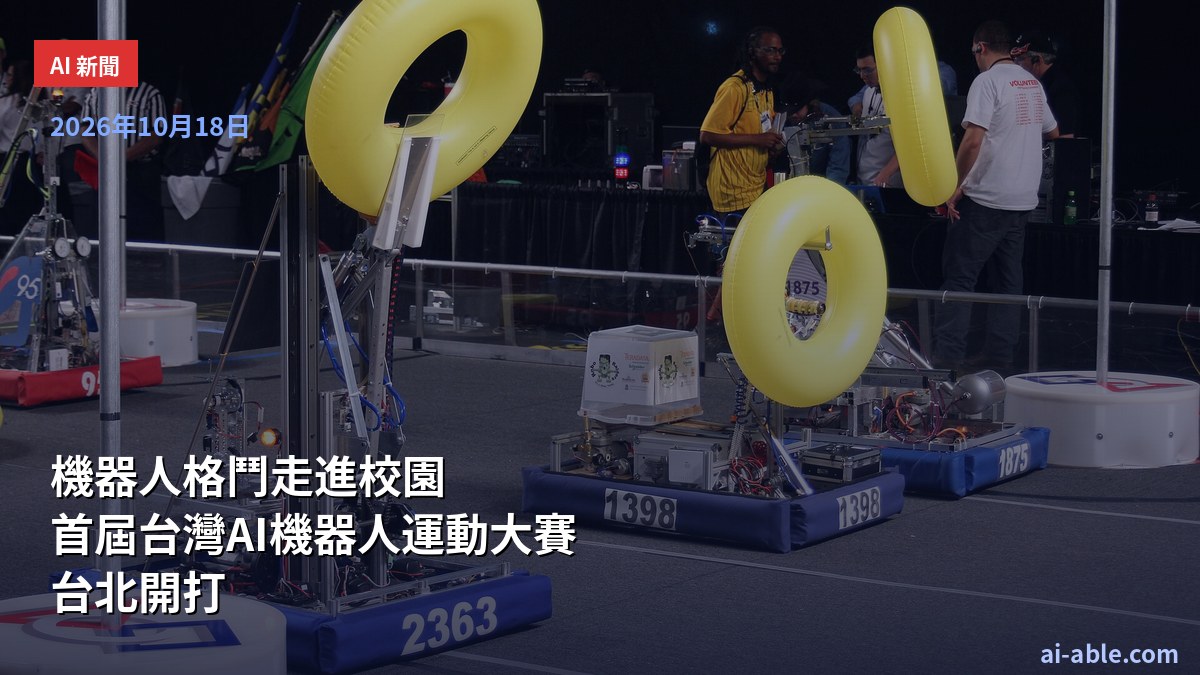
Taiwan’s First AI Robot Sports Tournament: Combat Robots Enter an Elementary School — and a 2-Meter Paper Giant Steals the Show
Taiwan’s first AI Robot Sports Tournament kicked off October 17 at Jian’an Elementary School in Taipei, turning robot combat into a new frontier of tech education. Deputy Mayor Lin Yi-hua championed “learning by doing,” while a 2-meter giant robot built from recyclable honeycomb paper stole the spotlight. With AI education equity at its core, the organizer will launch seven winter camps — its Singapore camp invites one rural student for every five enrollees, narrowing the urban-rural tech divide.

17-Year-Old Kimi Architecture Prodigy Nathan Chen Leaves Moonshot AI — Bound for Anthropic Amid US-China Talent War
Nathan Chen, the 17-year-old co-first author of the Attention Residuals paper behind Kimi K3’s 2.8-trillion-parameter architecture, has left Moonshot AI — with multiple reports pointing to Anthropic’s Scaling RL team in Silicon Valley as his next stop. Twice praised publicly by Elon Musk, the high-school graduate became the newest flashpoint in the US-China AI talent war, three months after the White House accused Moonshot of stealing Anthropic’s technology. A look at his hackathon origins, his architectural breakthrough, and what his move says about collapsing credential barriers in AI hiring.
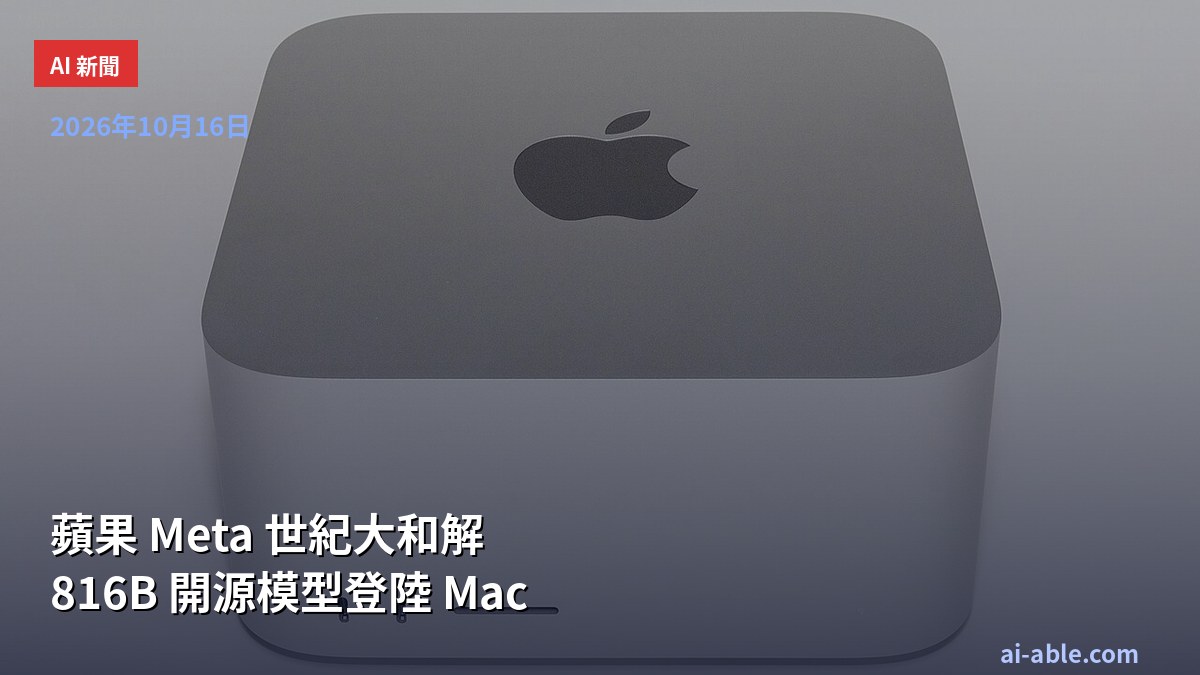
Apple and Meta Bury the Hatchet: Muse Spark Open Puts an 816B-Parameter Open-Weight Model on the Mac
Meta has released Muse Spark Open, an 816-billion-parameter open-weight model for coding and AI agents, in a surprise partnership with Apple — the rival it was feuding with just two weeks ago. Optimized to run locally on two M5 Ultra Mac Studios with 1TB of unified memory, it is the most capable US open-weight model to date, aimed squarely at Chinese open-source rivals.